John Wood Dodge
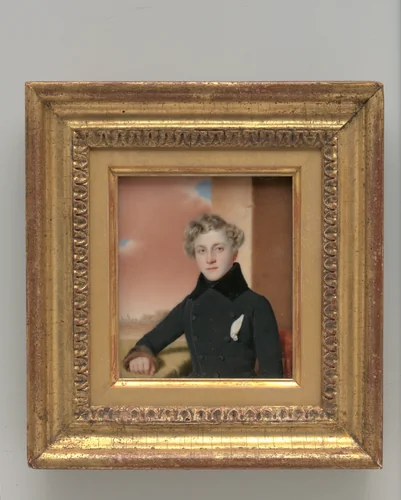
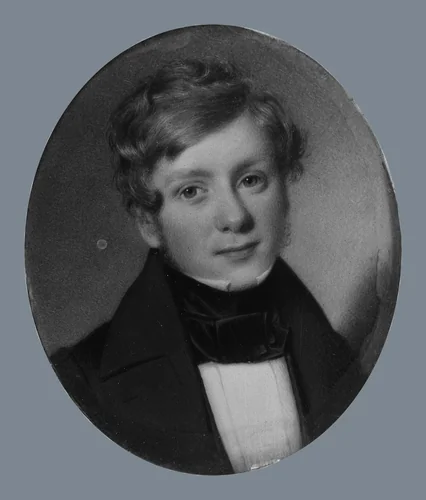
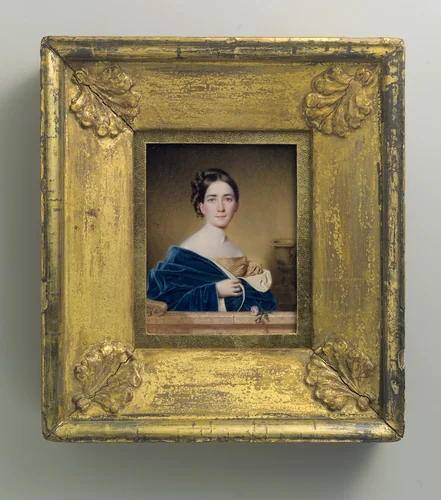
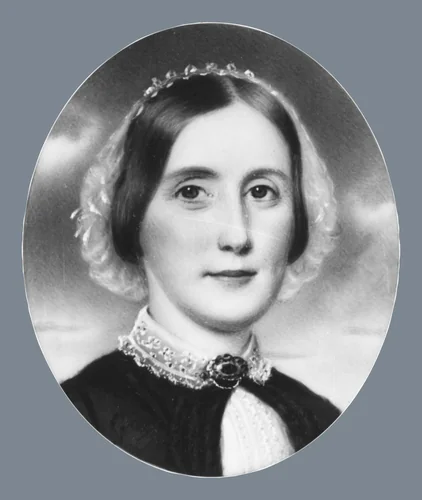
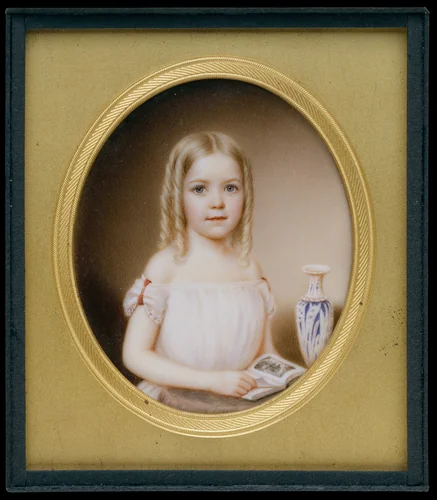
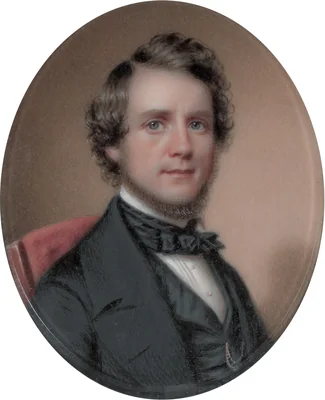
John Wood Dodge (1807-1893) was among the preeminent American portraitists working in the specialized medium of the miniature during the mid-nineteenth century. Active primarily between 1835 and 1854, Dodge quickly established a reputation for capturing the likenesses of prominent Southerners, cementing his status as a master of intimate scale and intricate detail during the Antebellum period.
The demand for high-quality, portable miniatures peaked just prior to the widespread acceptance of photography, allowing Dodge a brief but highly influential career across the burgeoning cultural centers of the South. Working most often in watercolor on ivory, his technique was defined by remarkable precision, particularly in the rendering of textiles and the difficult task of conveying psychological intensity within a canvas often smaller than a credit card.
His diverse body of work includes commissions from cultural figures, such as the portrait of George Catlin, the noted artist and chronicler of the American West. Dodge also documented his immediate circle through sensitive family depictions, including those of Edward S. Dodge and his wife Mary Louise Dodge (Mrs. John Wood Dodge), as well as the portrait of Kate Roselie Dodge. The inclusion of works like Mrs. George P. Burne in major collections underscores the museum-quality craftsmanship Dodge consistently achieved in a highly competitive market.
While Dodge is known today almost exclusively for the tiny, jewel-like portraits that required immense concentration and exacting skill, he commanded significant artistic attention in his time. It is a subtle irony that such a large reputation was built upon objects literally smaller than the palm of a hand. His surviving works form an important component of American historical painting collections, including those at the Metropolitan Museum of Art. For researchers studying the visual culture of the era, access to John Wood Dodge paintings is essential. Many of his key pieces are now in the public domain, allowing historians and enthusiasts ready access to high-quality prints and downloadable artwork that convey the sophistication of the nineteenth-century elite.
Source: Wikipedia · CC BY-SA 4.0