John Wollaston
John Wollaston, the English portraitist active in the British colonies of North America during the mid-eighteenth century, holds a crucial, if brief, place in the trajectory of early American colonial art. Distinguished from the clergyman and the merchant who share his name, this Wollaston’s legacy is defined by a focused four-year period, approximately 1745 to 1749, during which he established a high standard for portraiture among the emerging elite of New York and the surrounding regions.
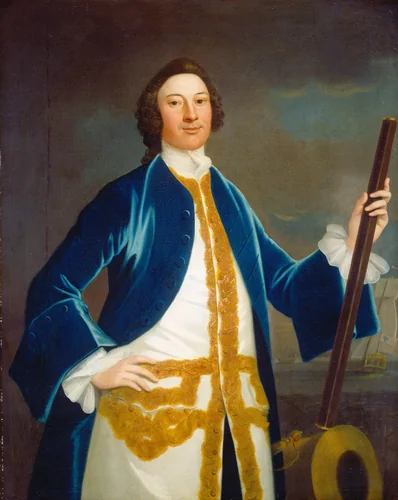
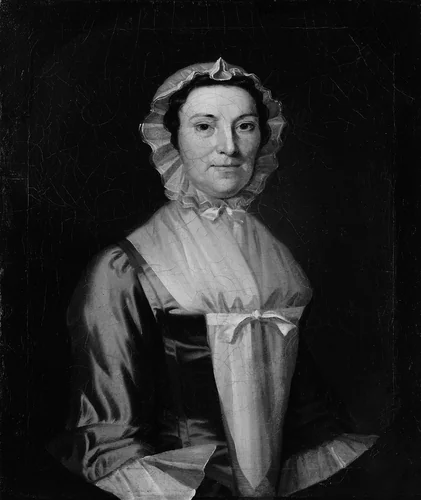
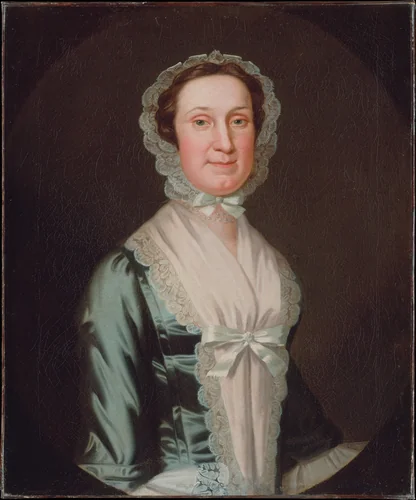
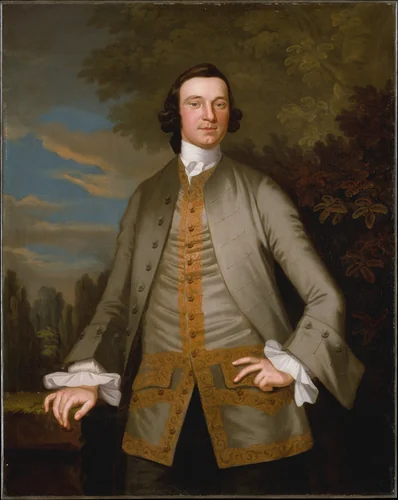
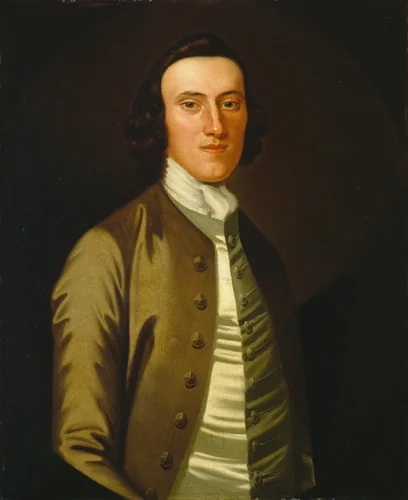
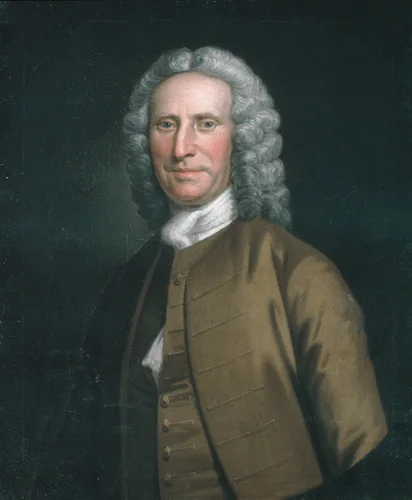
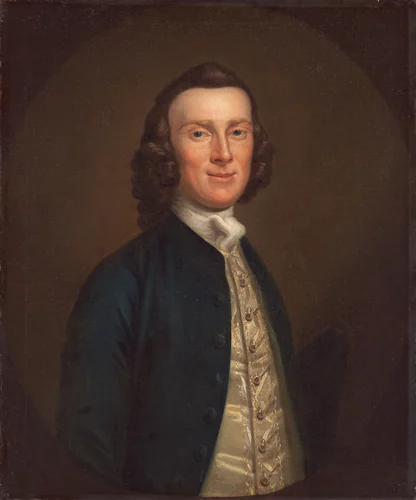
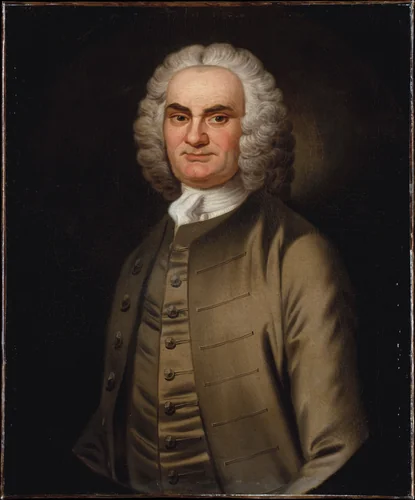
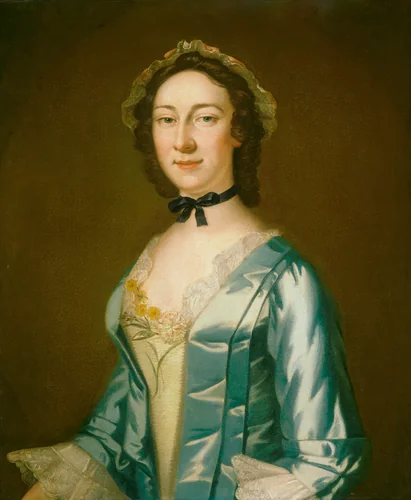
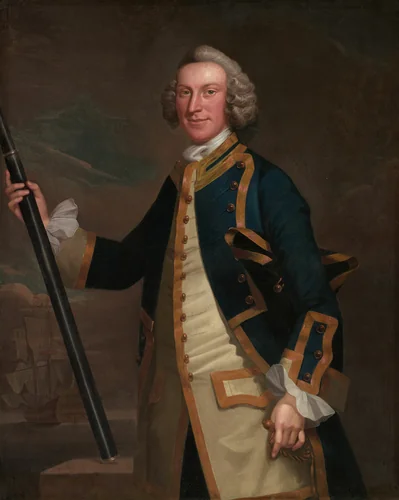
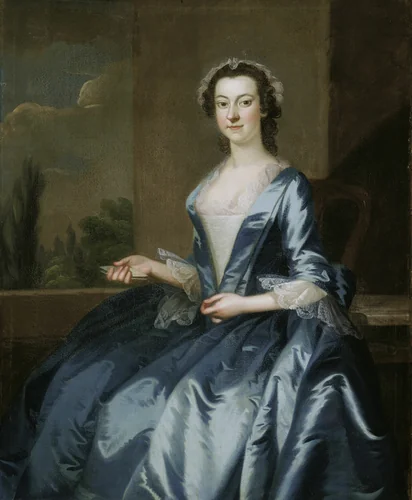
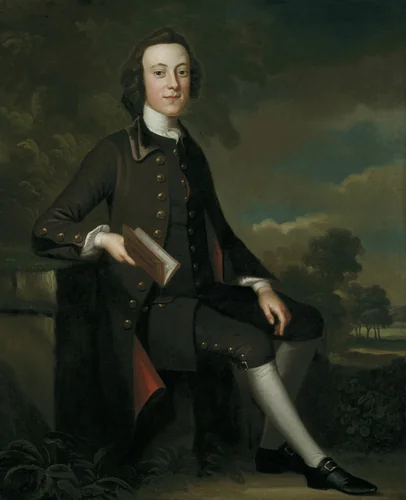
Wollaston’s arrival coincided with a growing desire among wealthy colonial families to commission portraits that reflected the latest fashions and painterly techniques imported directly from London. His style, characterized by a refined elegance rooted in late Rococo sensibilities, immediately captured the attention of influential patrons. Works such as Mrs. Cadwallader Colden and A Gentleman of the Morris Family illustrate his mastery of light and texture, particularly in the meticulous rendering of fine textiles, silks, and lace, details which conferred status upon his sitters.
His output, though limited to a small number of recognized John Wollaston paintings, was exceptionally consistent in quality. His subjects often appear statuesque and fashionable, frequently adopting postures derived from European Grand Style portraiture. A subtle but distinctive hallmark of Wollaston’s technique, regardless of the sitter’s age or station, is the near-identical almond-shaped eyes, often rendered with a slight downward gaze that grants many of his subjects a strikingly unified and perhaps unintentionally contemplative expression.
Wollaston’s importance lies not merely in the seven identified works, but in the stylistic influence he exerted on local artists. He brought a sophisticated, professional polish that elevated expectations for American portraiture, bridging the gap between provincial colonial practices and established English studio aesthetics.
Today, Wollaston’s legacy is secured within the collections of leading American institutions, including the Metropolitan Museum of Art, the National Gallery of Art, and the Art Institute of Chicago. As cultural treasures, many of his important works reside in the public domain, allowing museums and archives to provide high-quality prints and downloadable artwork, ensuring that the visual record of the colonial aristocracy remains accessible for historical study and appreciation.
Source: Wikipedia · CC BY-SA 4.0