John Windsor
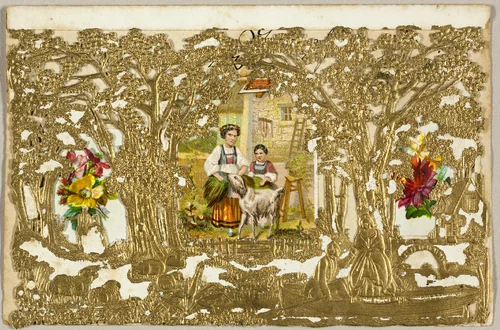
John T. Windsor (active 1835-1860) stands among the most significant American commercial designers of the mid-nineteenth century, largely responsible for the transformation of the homemade sentimental note into a mass-produced, visual object. Operating primarily from Philadelphia, Windsor’s studio specialized in developing complex, die-cut lithographic forms that defined the early aesthetic of the printed valentine and holiday card. His contributions were essential to establishing the commercial viability of seasonal ephemera in the booming print industry.
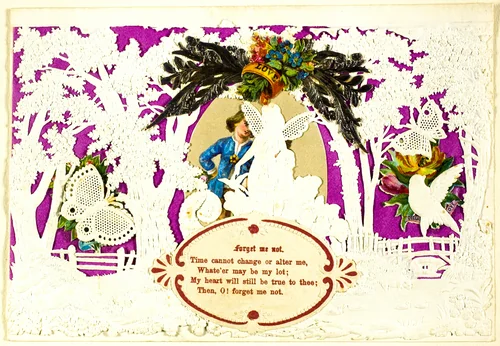
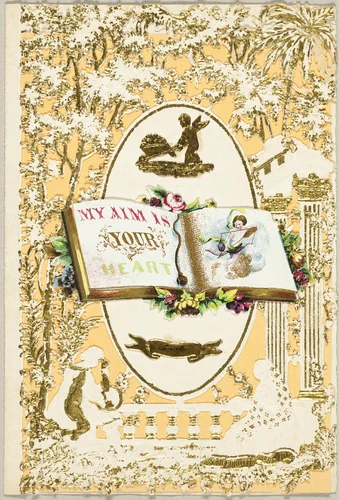
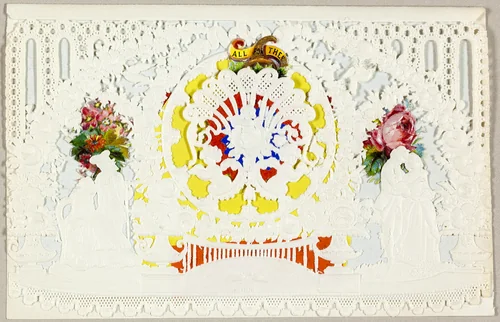
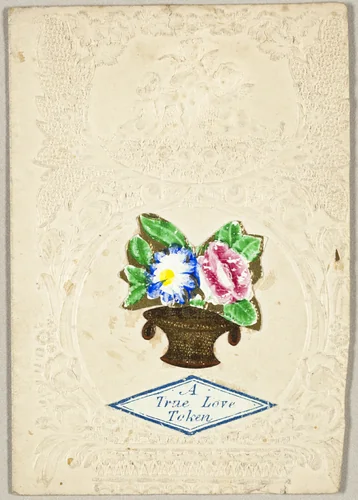
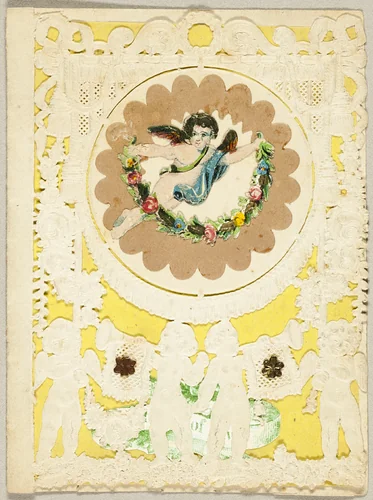
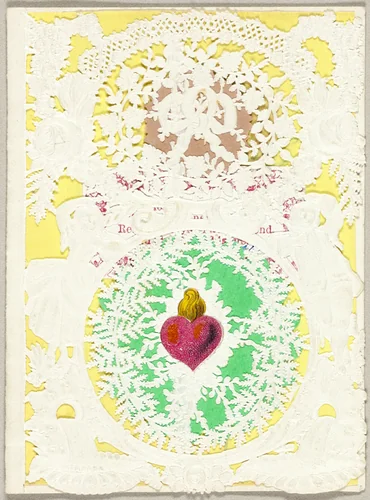
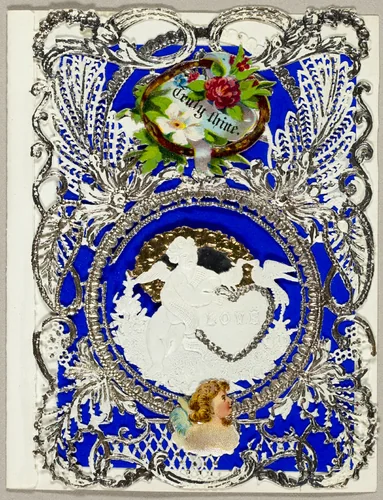
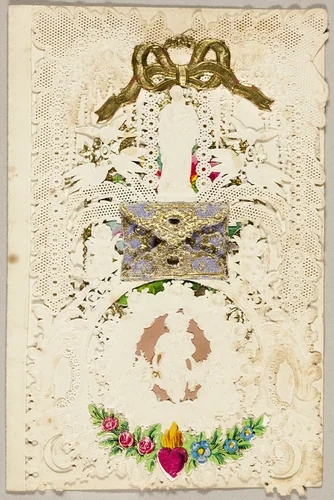
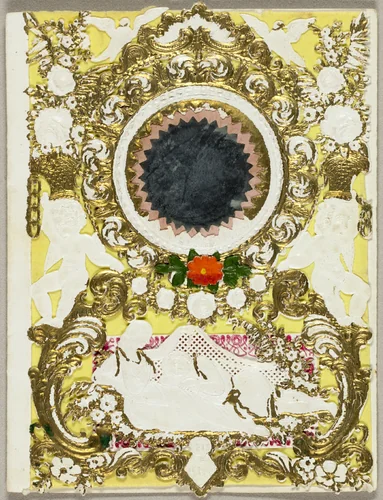
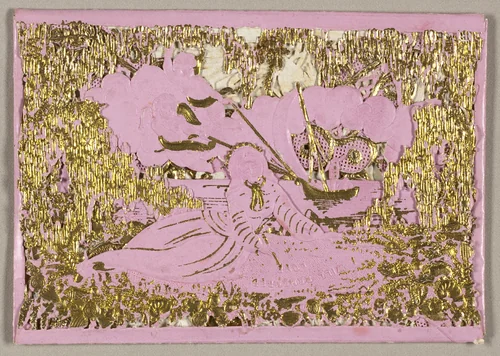
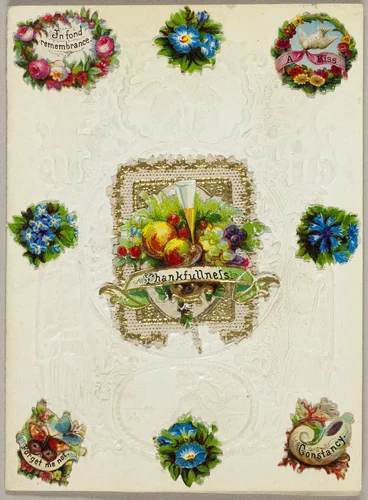
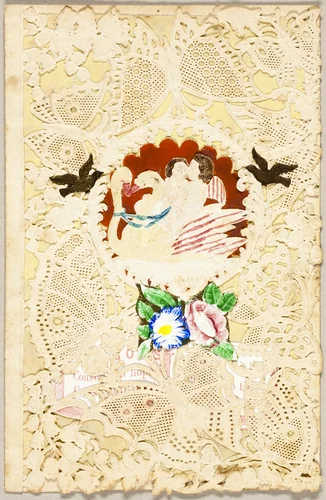
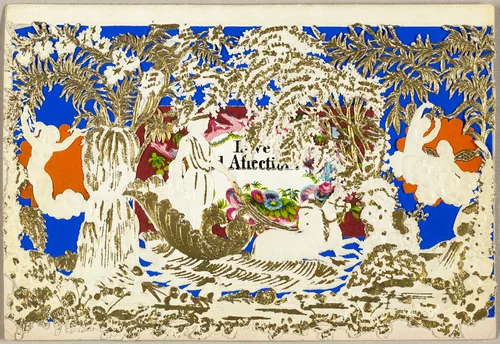
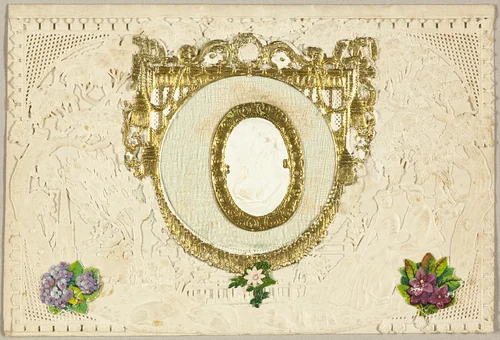
Windsor’s firm excelled in the utilization of chromolithography, a labor-intensive process that allowed for the vibrant coloring and delicate lace-paper borders characteristic of the era’s high-end print art. His design expertise allowed his studio to rapidly adapt to the public’s evolving demands for highly stylized, romantic expressions. Works such as the popular die-cut valentines Forget Me Not, My Aim is Your Heart, and All for Thee are quintessential examples of his meticulous style, blending allegorical figures with meticulously rendered floral symbolism, each conveying codified Victorian sentiment.
Although today these delicate items are scarce, major institutions such as the Art Institute of Chicago maintain important holdings, confirming his historical relevance beyond the immediate commercial sphere. Windsor’s prolific output, often requiring multiple revisions to satisfy an increasingly demanding middle-class market, demonstrates a remarkable commitment to technical execution. It is perhaps ironic that a man whose entire career was dedicated to declaring eternal love and devotion through delicate paper was, by all surviving accounts, notably unsentimental and fiercely business-minded.
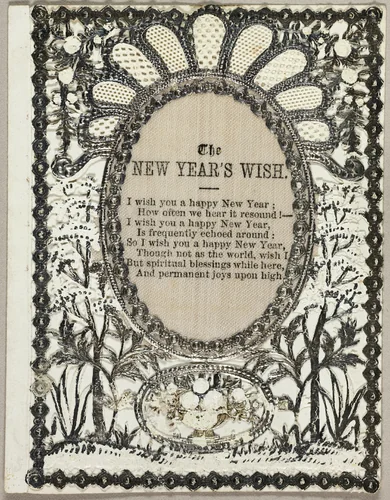
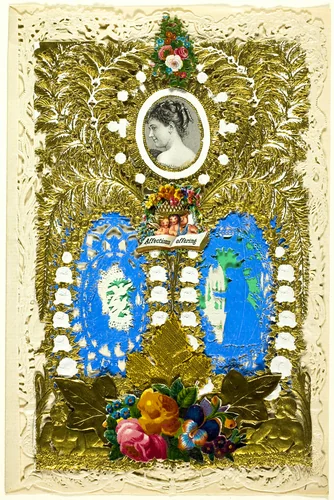
The widespread success of designs like Affections Offering and The New Year's Wish solidified his reputation across the entire Eastern seaboard. Following years of independent operation, his innovations were highly sought after. In 1862, he finalized a significant acquisition deal, effectively transferring the entirety of his design plates and commercial catalogue to the prominent New York-based publishing giant, Currier & Ives. This move, echoing similar consolidations within the print industry of the time, cemented Windsor’s legacy as a foundational figure in American popular graphics. Today, the accessibility of John Windsor prints has been greatly expanded through the digitization of collections, making this Victorian sensibility available as high-quality prints for contemporary study and appreciation.