John William Hill
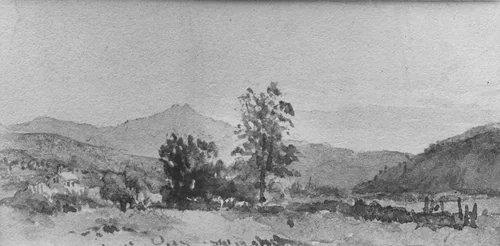
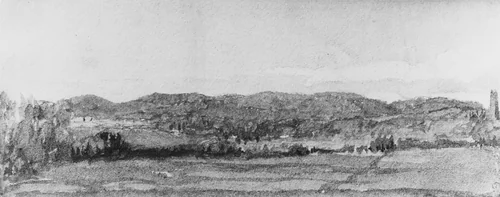
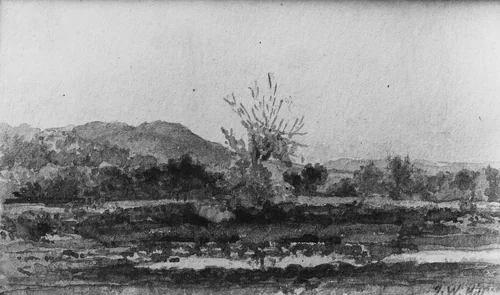
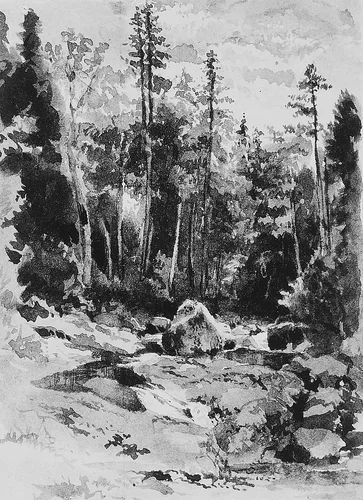
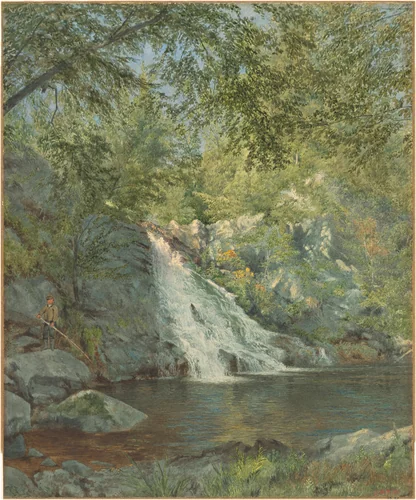
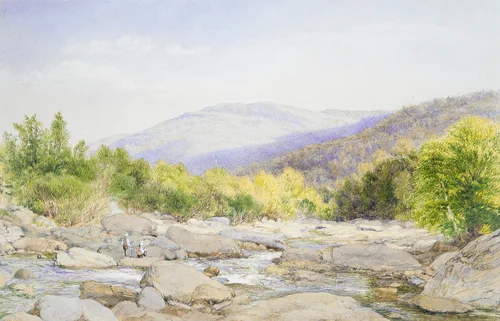
John William Hill (1812-1876) was an influential Anglo-American artist whose prolific output in watercolor, gouache, lithography, and engraving provided a critical bridge between natural history illustration and the emerging American landscape tradition of the mid-nineteenth century. Born in London, Hill emigrated to the United States as a young child, laying the groundwork for a career dedicated to capturing the American natural world. His early focus was primarily upon ornithological, zoological, and highly accurate topographical subjects, a tradition of technical illustration that demanded profound observational skill. The lasting quality of his draftsmanship is reflected in major institutional holdings, with works like Peabody at the Glen, New Hampshire and the Three Views series residing in collections such as the Metropolitan Museum of Art and the National Gallery of Art, securing his place within American visual history.
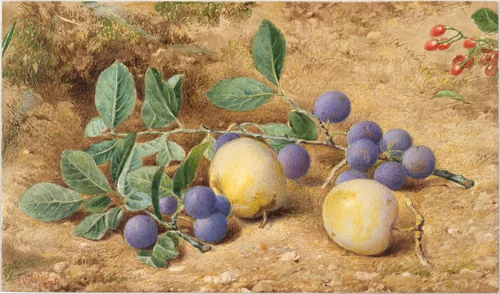
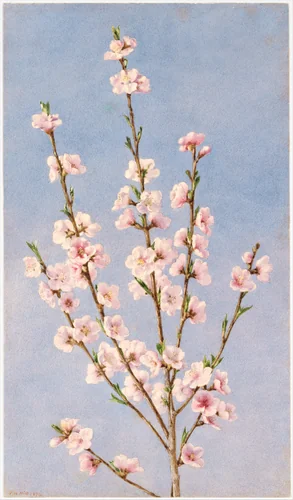
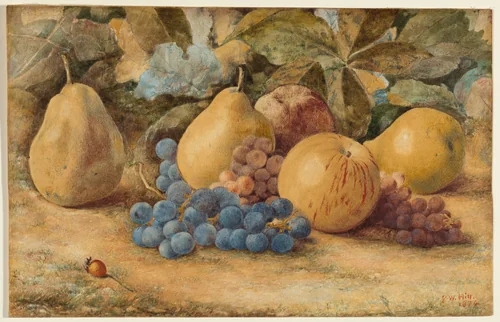
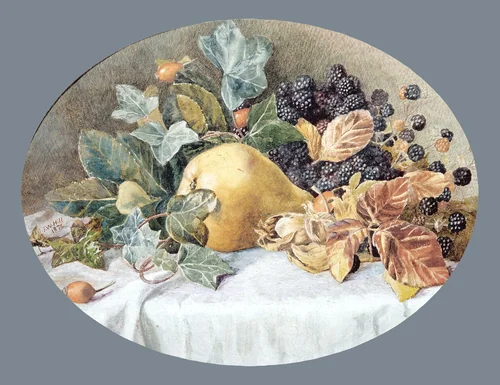
The crucial shift in Hill’s career occurred in the 1850s, catalyzed by his deep engagement with the aesthetic philosophy of John Ruskin and his association with American followers of the Pre-Raphaelite Brotherhood. Previously a skilled technical illustrator, Hill underwent an artistic conversion, committing himself to the Ruskinian ideal of "truth to nature." This required an unprecedented, near-microscopic fidelity to detail in his still lifes and landscapes. Hill’s dedication to this exacting standard was so complete that he abandoned the established conventions of the picturesque, embracing an unforgiving precision that captured the texture and light of his subjects with crystalline clarity.
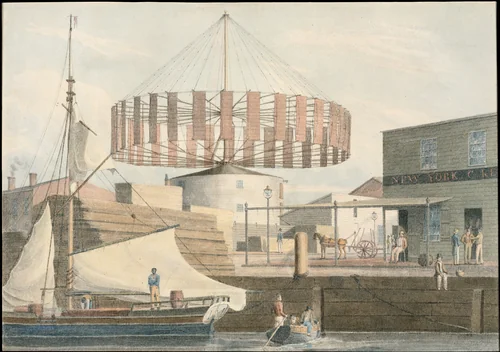
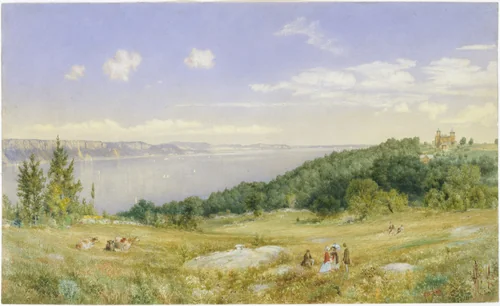
This mature period produced remarkable works that document both American industry and topography, such as Circular Mill, King Street, New York, alongside expansive natural views like Mount Carmel, near New Haven, Connecticut. These studies were rarely large in scale, yet possessed a visual intensity that surpassed much of the contemporary output. Hill aimed not merely to represent, but to reveal, the structural integrity of natural forms. Today, his significant contributions to American art are widely accessible; many John William Hill prints and detailed studies are available in the public domain, offering modern audiences the opportunity to examine these museum-quality records of 19th-century environmental and aesthetic concerns.
Source: Wikipedia · CC BY-SA 4.0