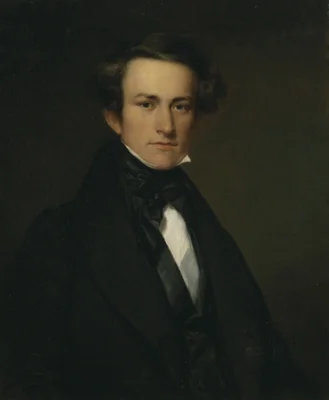
John William Casilear
John William Casilear stands among the distinguished American landscape artists who defined the 19th-century vision of the continent, known primarily for his contributions to the foundational generation of the Hudson River School. Active throughout the mid-nineteenth century, Casilear’s career was often interwoven with those of his close colleagues, including Asher B. Durand, with whom he toured Europe. This foundational context allowed him to translate the American wilderness into sublime, morally resonant painted spectacles, reflecting the period’s deep appreciation for both precise topography and the philosophical power of nature.
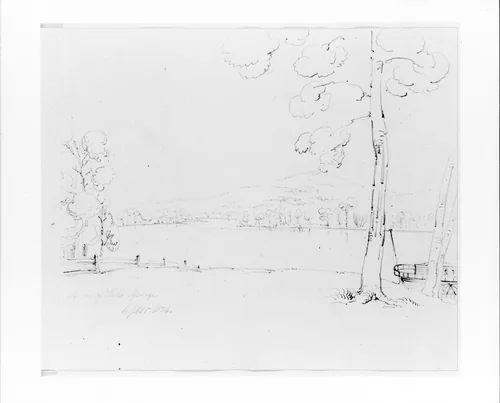
Initially trained as an engraver, Casilear’s precise draftsmanship provided the technical bedrock for his mature painting style. Unlike some contemporaries who favored dramatic panoramic vistas, Casilear often specialized in quiet, intensely focused scenes, frequently depicting calm lakes or hazy autumnal views with exceptional technical fidelity. His landscapes typically convey an atmosphere of profound serenity, establishing him as an artist capable of finding the epic in the intimate details of the American interior.
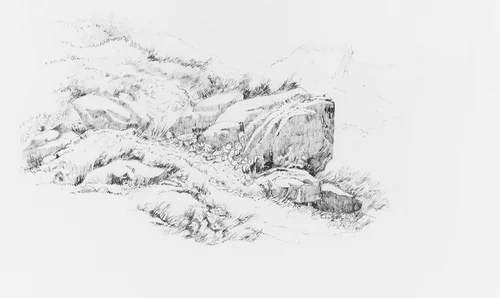
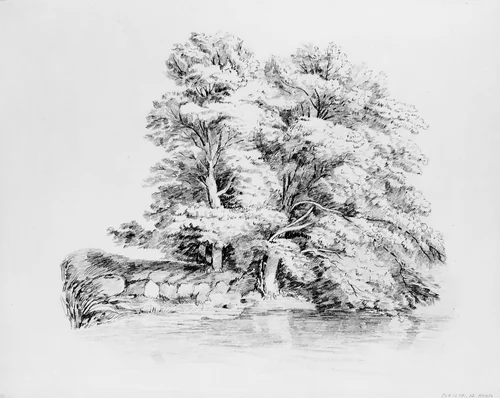
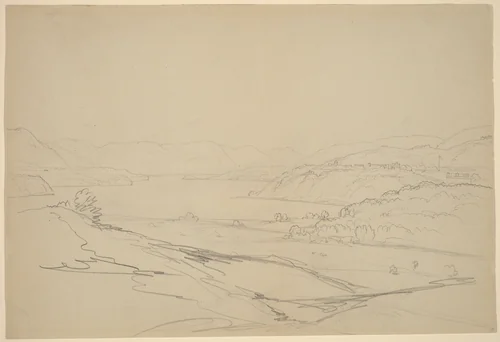
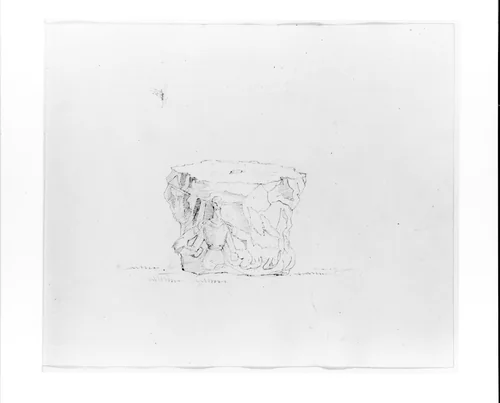
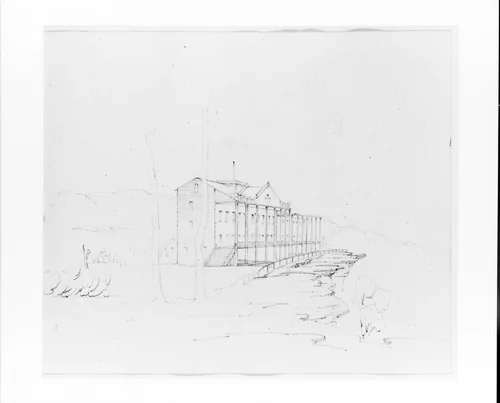
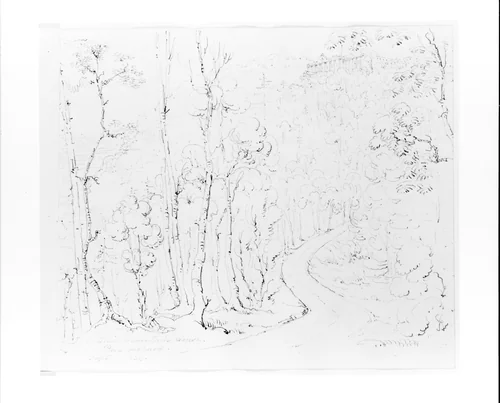
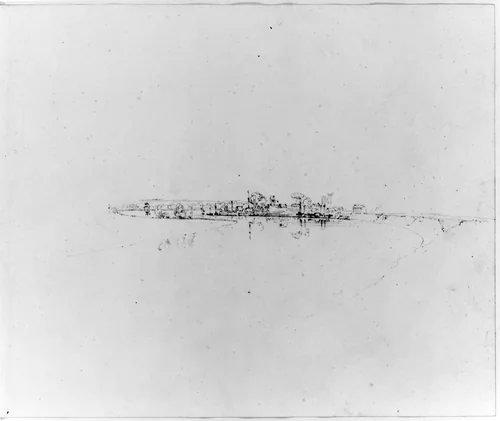
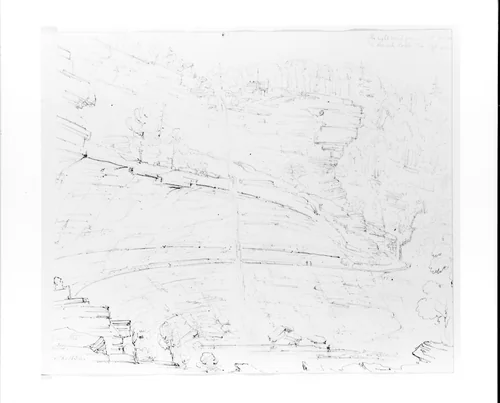
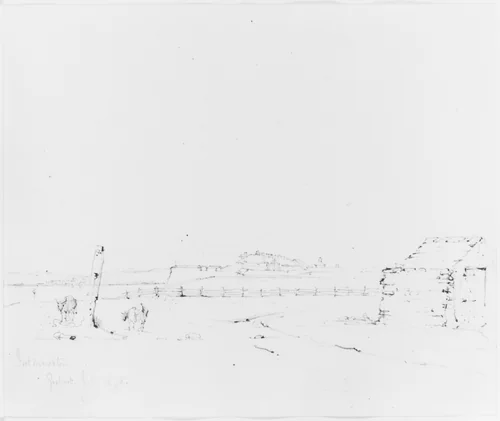
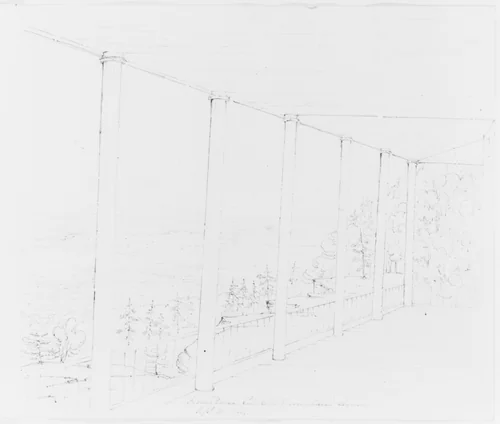
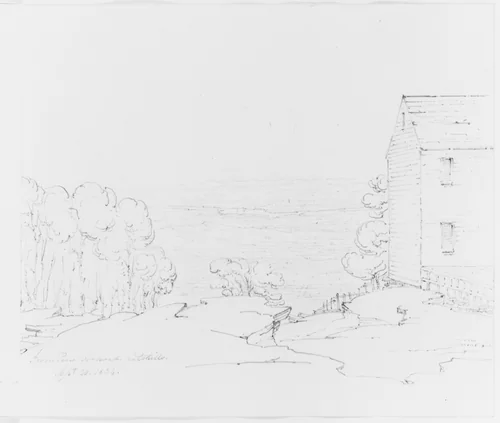
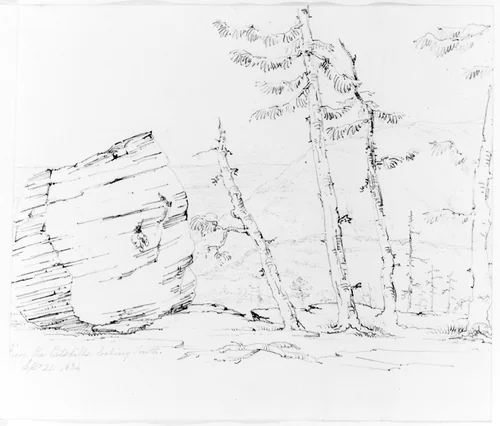
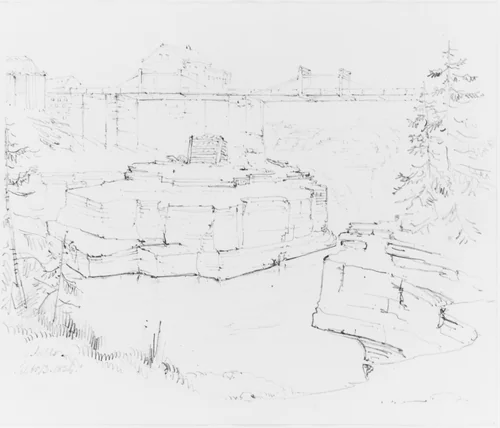
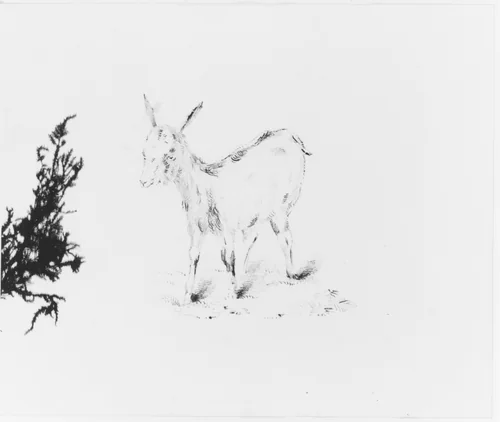
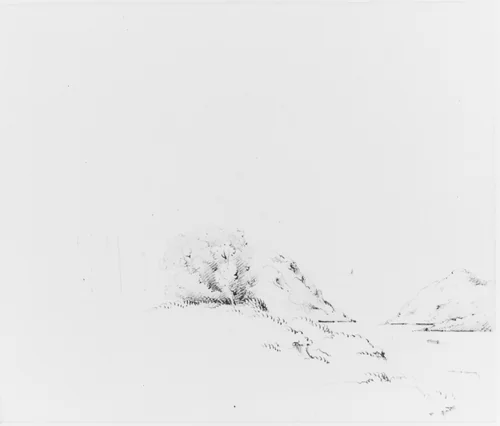
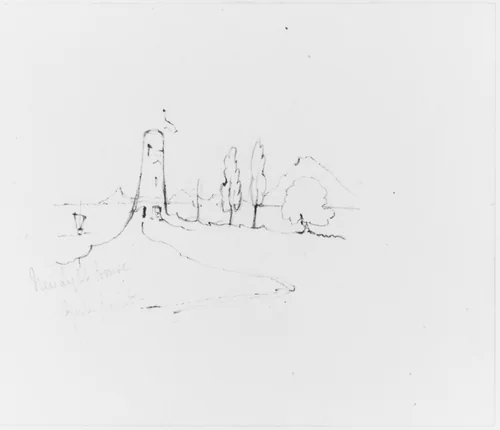
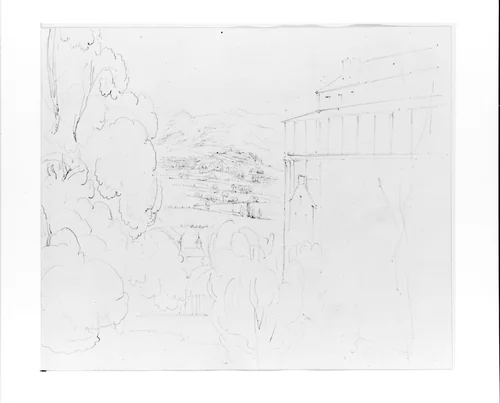
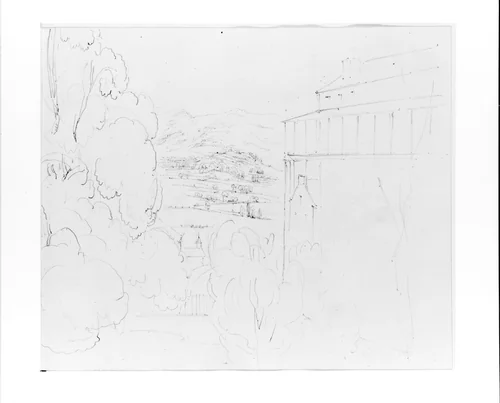
This precise discipline is evident even in his preparatory studies. A surviving sketchbook, held in the archives of the Metropolitan Museum of Art, reveals an interesting juxtaposition to his pastoral output. While he focused overwhelmingly on nature in oil, his sketches showcase a curious interest in popular and dramatic narrative, featuring sharp, energetic observations of contemporary theater. Studies for subjects like Kean as Richard Third and Mr. E. Forest as Daymen, alongside devotional sketches like Crucifixion and Christ Crowned with Thorns, demonstrate the artist’s consistent, meticulous approach regardless of subject matter.
Casilear's essential contributions to defining the national aesthetic are recognized through his inclusion in major institutional holdings. Though primarily appreciated for his expansive oils, his meticulous graphic work offers valuable context to his working method. Today, many of these historical documents and John William Casilear paintings are entering the public domain, allowing institutions to provide high-quality prints and downloadable artwork, ensuring that the serene vision of this key Hudson River School member remains accessible for study and appreciation worldwide.
Source: Wikipedia · CC BY-SA 4.0