John Varley
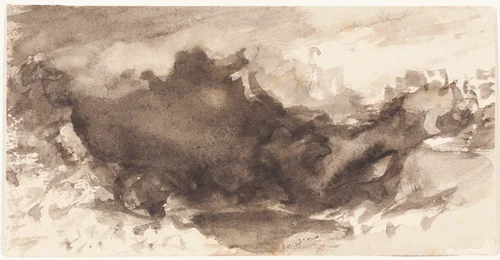
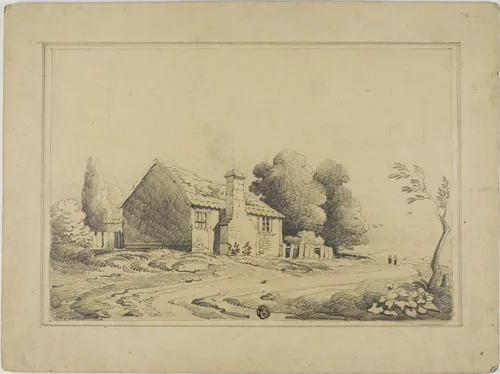
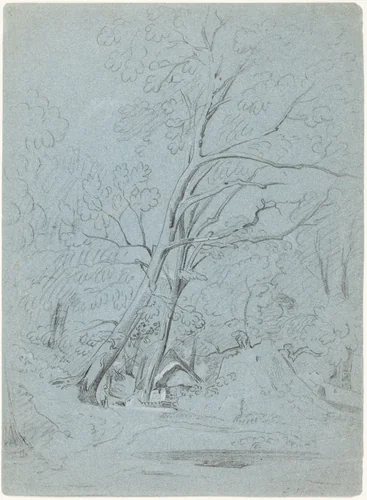
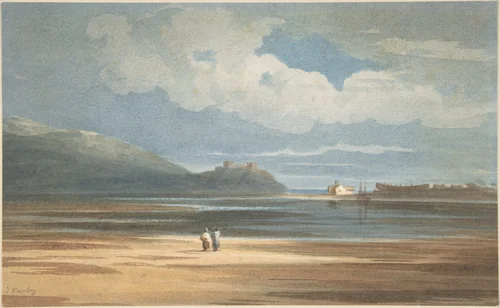
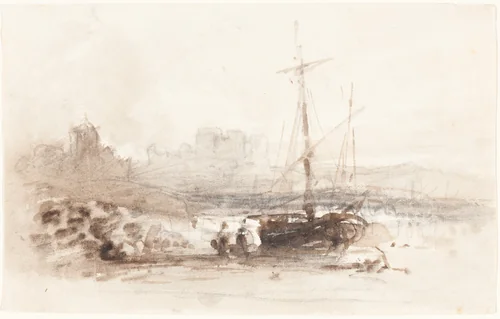
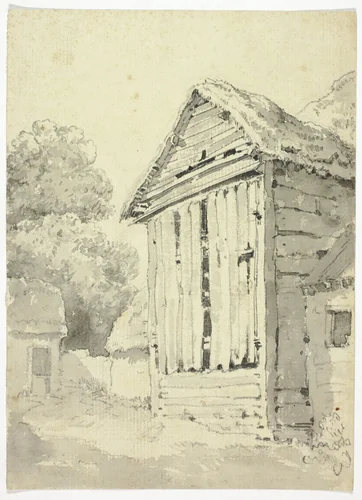
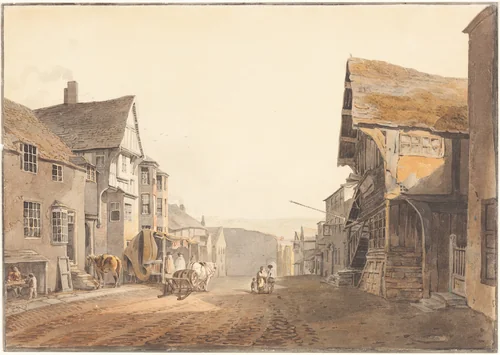
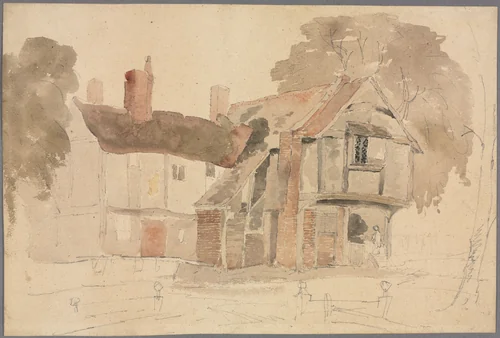
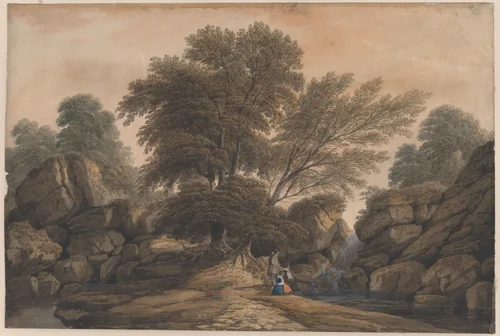
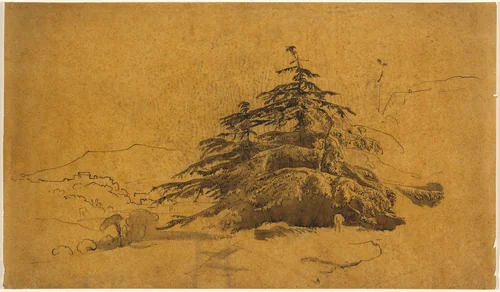
John Varley (1778–1842) was a pivotal figure in the history of English art, instrumental in elevating watercolor painting from a functional, preparatory technique to a recognized medium for fully realized compositions. Though his career was long and productive, museum databases often highlight his early output, emphasizing precise drawings from the late 18th century, such as A Stand of Trees [recto] and Study of Trees in a Landscape. These studies reveal the foundational academic rigor underlying his later, more expansive Romantic landscapes.
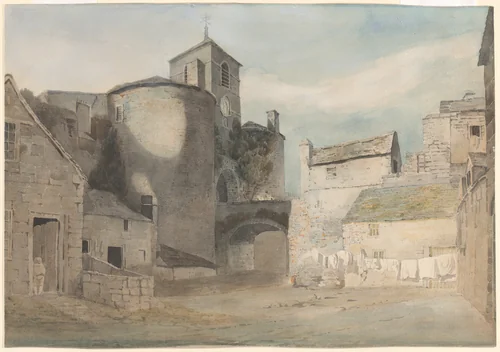
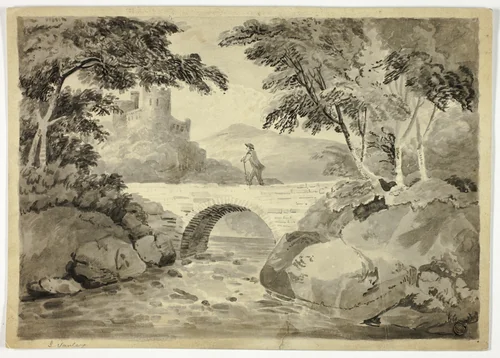
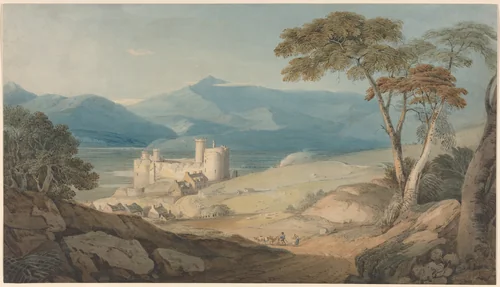
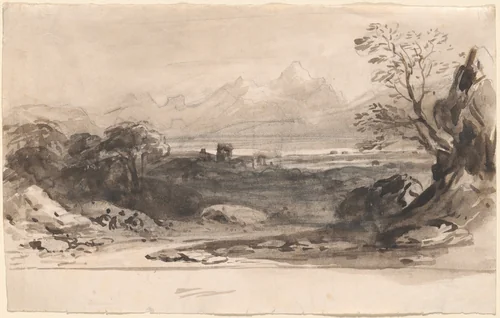
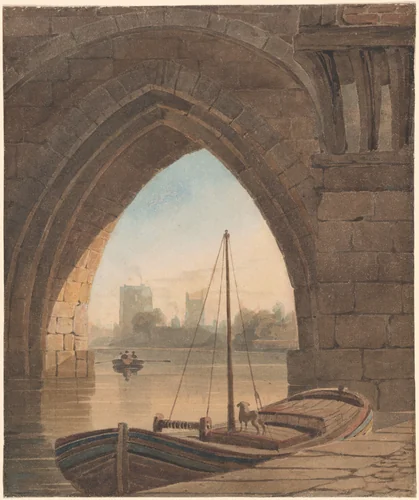
Varley was celebrated for his dedication to teaching, establishing a reputation as a central figure in the flourishing English watercolor school. His influence extended through several generations of artists, including future masters like David Cox and Copley Fielding, demonstrating his profound impact on the visual language of 19th-century landscape representation. He insisted on a rigorous approach to form and light, visible even in the intimate scale of works like Landscape with Ruins and Looking under the Bridge, currently housed in major institutions like the Metropolitan Museum of Art and the National Gallery of Art, confirming their enduring museum-quality status.
It is perhaps one of the most charming historical footnotes that this serious, academic landscape painter maintained a vigorous side career as a professional astrologer. Varley often supplemented his income by creating horoscopes for clients, reflecting a deep-seated connection to esoteric thought even while he redefined modern visual art.
Varley’s legacy today is maintained through significant holdings across the United States and the United Kingdom. Many of his studies are now available in the public domain, allowing enthusiasts and students direct access to downloadable artwork that meticulously maps the evolution of English Romanticism. These documents provide exceptional insight into his method, ensuring that access to high-quality prints of his seminal John Varley prints remains widespread.
Source: Wikipedia · CC BY-SA 4.0
![A Stand of Trees [recto] by John Varley, drawing, 1778-1842](https://img.artbee.org/5cf02bba-ca17-4a14-920f-8fead8ede60d/small.webp)
![Landscape Composition [recto] by John Varley, drawing, 1778-1842](https://img.artbee.org/63598020-a2bc-4005-b152-cdaae1c47cf4/small.webp)
![Study of a Head in Profile [verso] by John Varley, drawing, 1778-1842](https://img.artbee.org/d6fd6879-6096-4b6a-a232-85f19b4acfb5/small.webp)
![Two Studies of a Figure Holding a Basket [verso] by John Varley, drawing, 1778-1842](https://img.artbee.org/2c5ab1c8-d1db-440b-82a5-98a674a3ee14/small.webp)