John Vanderbank
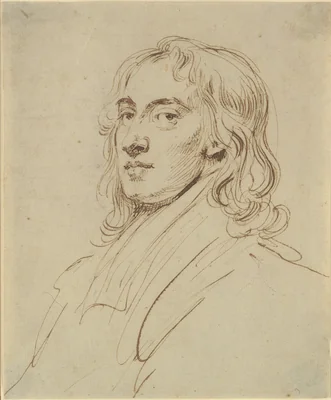
John Vanderbank (c. 1690-1738) was a prominent English painter and designer who achieved significant critical acclaim during the transition from the late Stuart to the early Georgian period. Active for nearly five decades, his career reached its apex during the latter half of George I’s reign and maintained a position of high fashion well into the first decade of George II.
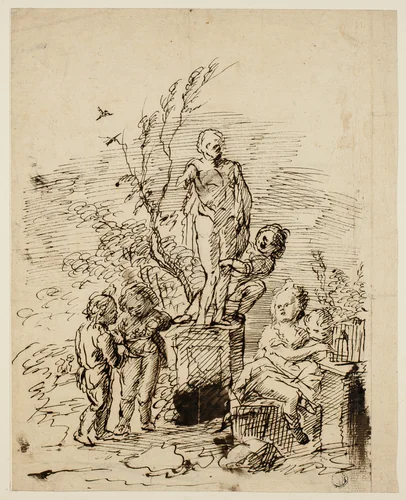
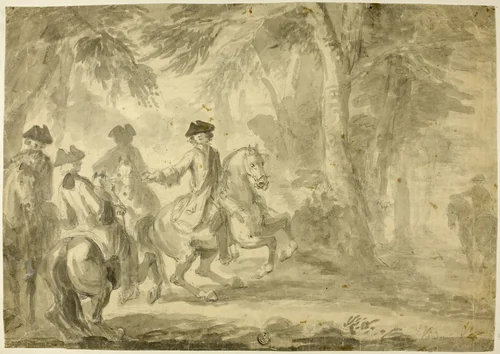
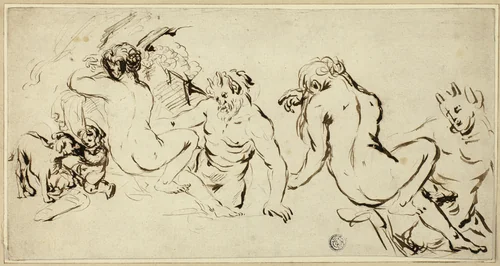
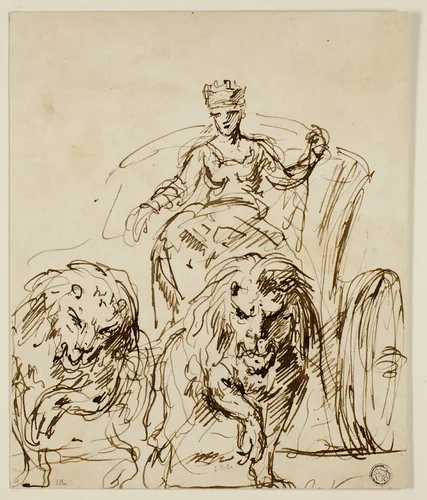
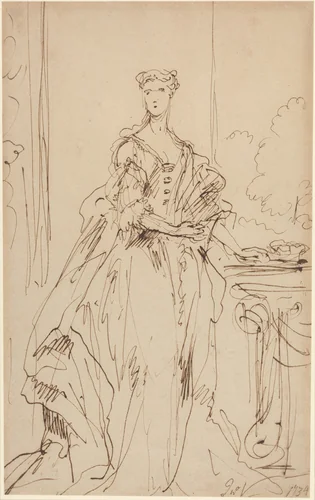
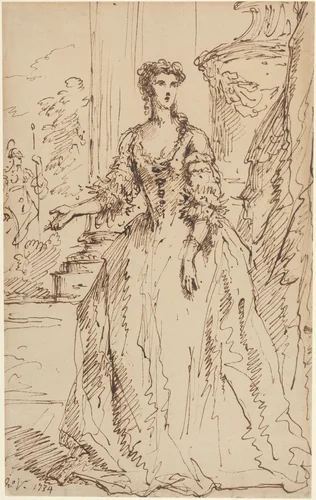
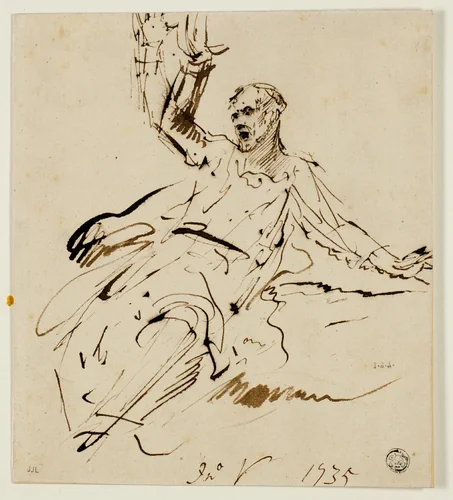
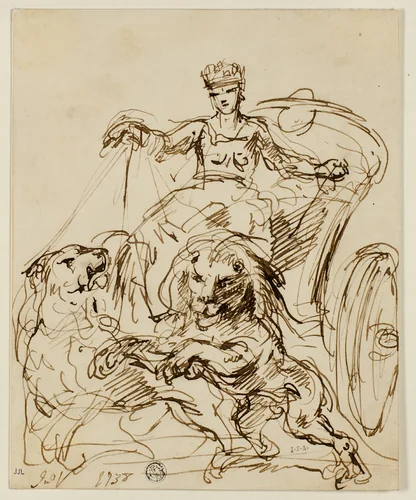
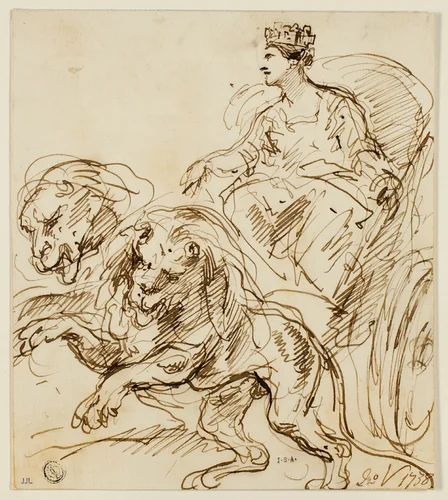
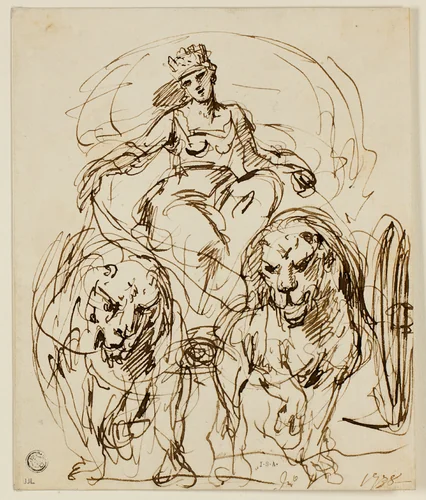
While he established his reputation primarily through society portraiture, Vanderbank demonstrated considerable versatility across multiple mediums, particularly in detailed drawing and complex textile design. Existing collections confirm this broad range, retaining important examples such as twelve known drawings and three major textile pieces. His skill in rendering compositional complexity is evident in works like Children Playing near Statue in Garden and Riders in Park.
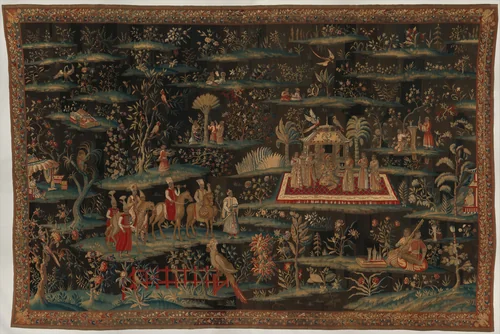
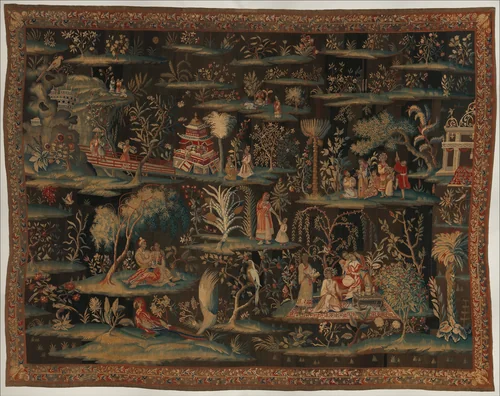
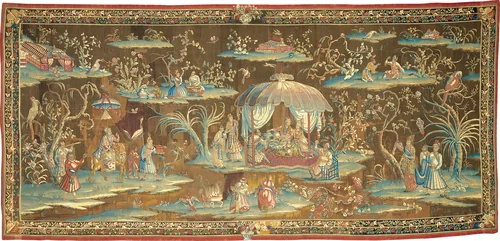
Crucially, Vanderbank contributed to the burgeoning European taste for exoticism and Chinoiserie through his sophisticated tapestry designs. His monumental set "After the Indian Manner," featuring elaborate scenes such as The Concert and The Toilette of the Princess, showcases his exceptional ability to translate large-scale narrative into the demanding, woven medium, demonstrating a mastery that rivaled the continental weavers. His contribution to the decorative arts is further established by compositions such as The Tent, from an Indo-Chinese or Indian Series.
Vanderbank’s immense raw talent did not go unrecognized by his contemporaries. The noted critic George Vertue held the painter’s potential in the highest regard, suggesting that only intemperance and personal extravagance prevented him from achieving the distinction of being the greatest portraitist of his generation. This candid observation provides the necessary context for his relatively short career, which was frequently hampered by financial difficulties, leading to his premature death at the age of only 45.
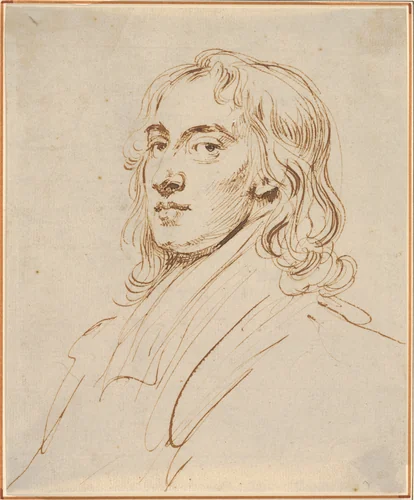
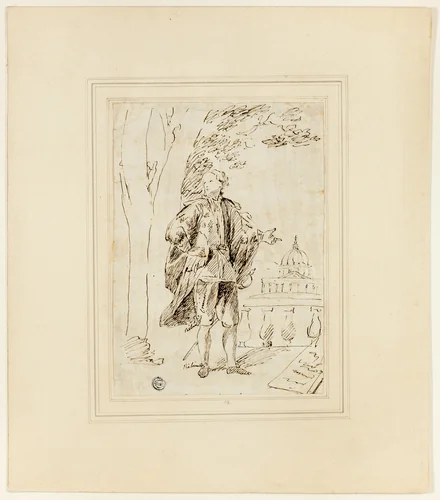
Despite the brevity of his life, the consistent quality of Vanderbank’s production ensured his inclusion in major permanent holdings, including those of the National Gallery of Art, the Metropolitan Museum of Art, and the Art Institute of Chicago. The technical excellence visible in the John Vanderbank paintings and preparatory drawings confirms his status as a master draughtsman of the period. For scholars and the public today, many of his images have entered the public domain, making high-quality prints and downloadable artwork readily accessible for study and appreciation.
Source: Wikipedia · CC BY-SA 4.0