John Tenniel
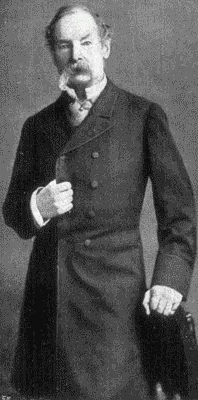
Sir John Tenniel (1820-1914) remains one of the most historically significant English graphic artists of the Victorian period. Active across nearly five decades, Tenniel successfully translated the rigorous discipline of his training at the Royal Academy of Arts in London into a powerful, accessible style that defined 19th-century illustration and graphic humour. While his international legacy is often tied to his work as a literary illustrator, his core professional contribution was the sustained delivery of political commentary through graphic satire.
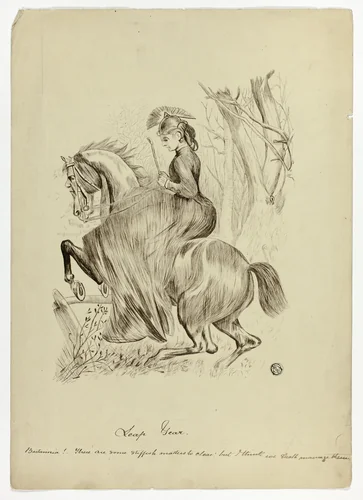
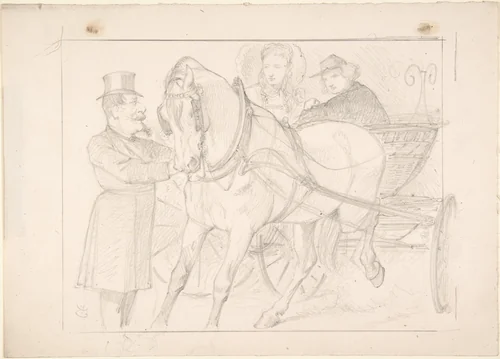
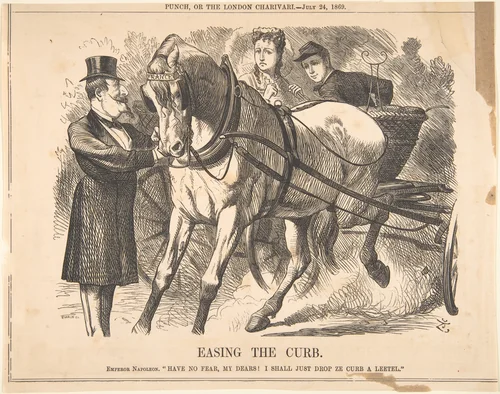
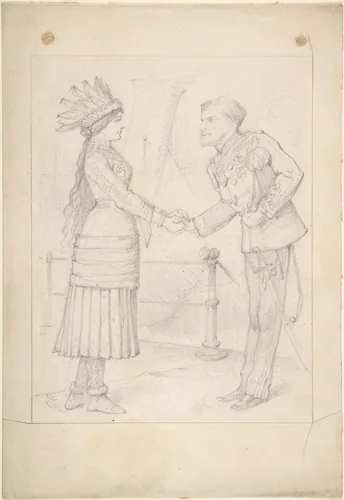
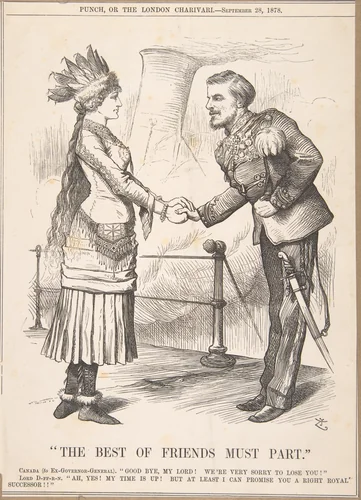
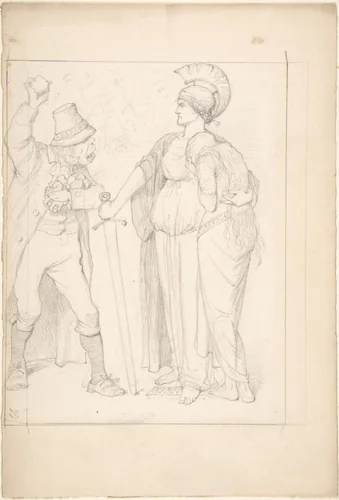
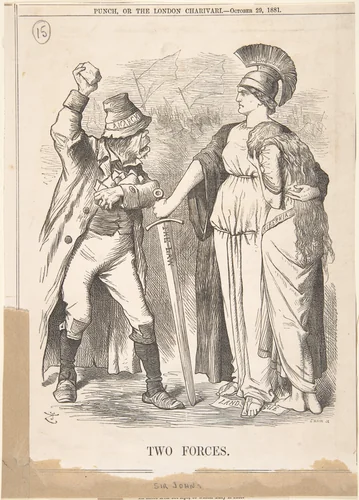
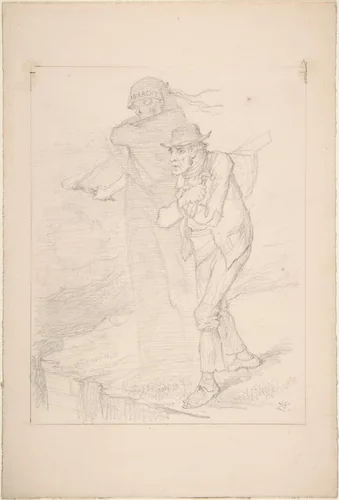
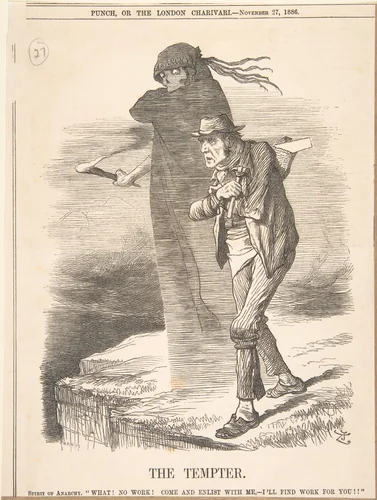
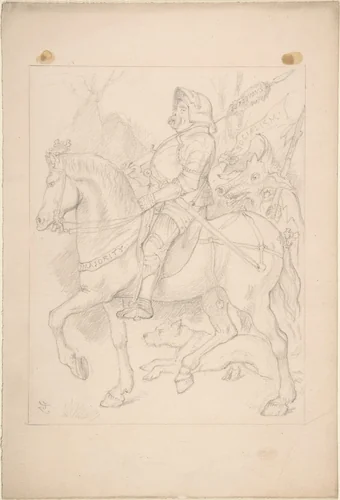
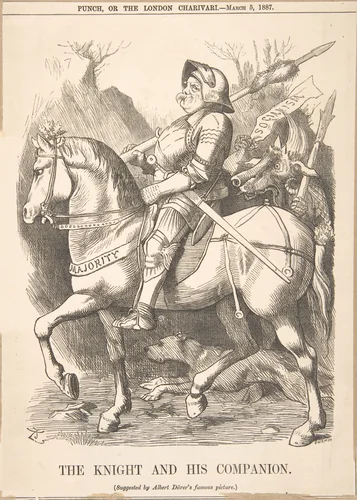
Tenniel specialized in highly refined drawings prepared for wood engraving, a demanding medium that allowed his keen political insight to reach a vast public. His works often balanced classical draftsmanship with sharply focused satirical precision, setting a new standard for graphic journalism. The artist worked prolifically, generating six known drawings and five prints currently in circulation, covering the period from 1840 through 1887. Works such as Leap Year, Britannia! and the politically astute The Best of Friends Must Part demonstrate his unique ability to encapsulate complex national debates within a single, compelling image. Many original John Tenniel prints and preparatory drawings are housed in major institutions today, including the collections of the Art Institute of Chicago and the Metropolitan Museum of Art, reflecting their museum-quality historical value.
Tenniel’s enduring influence stemmed from his ability to command both artistic respect and popular amusement. His accomplishments ultimately secured the elevated status of the graphic arts within the British establishment, culminating in his knighthood in 1893. This honour was unprecedented: the first such distinction ever bestowed upon an illustrator or a cartoonist. This recognition signaled a profound cultural shift, elevating the status of the political drawing from ephemeral commentary to legitimate artistic endeavor. Due to the era in which he worked, much of his highly influential output is now in the public domain, making high-quality prints and downloadable artwork widely accessible for study and collection today.
Source: Wikipedia · CC BY-SA 4.0