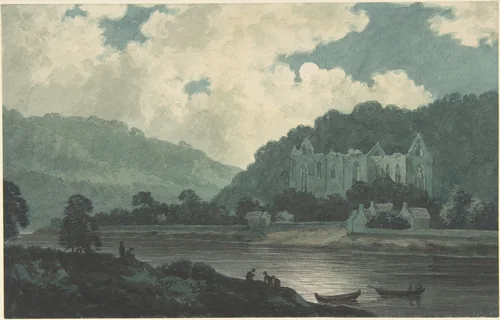
John Smith
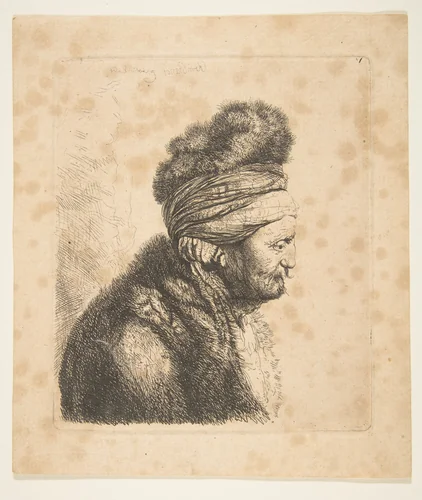
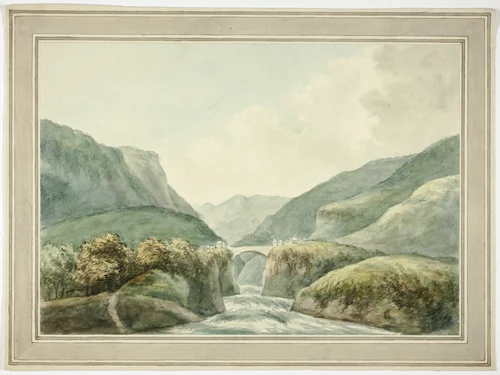
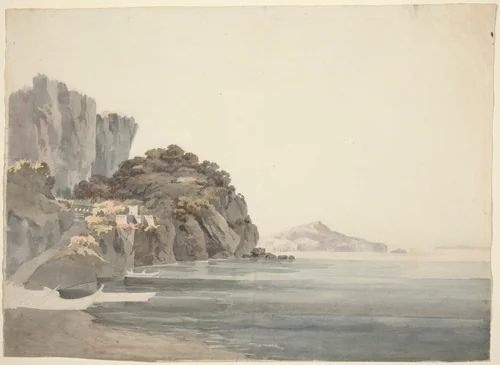
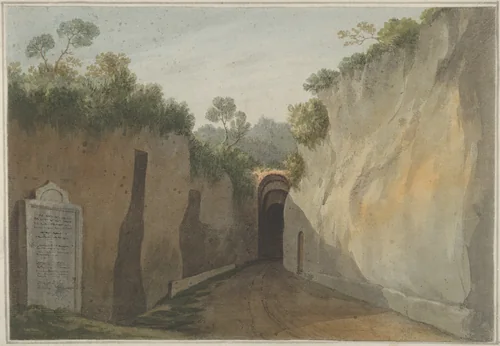
John Smith (active 1662-1684) occupies a unique, if often overlooked, position in late 17th-century European printmaking. Though the name itself is the very definition of a placeholder, the lasting quality of his fifteen known etchings places him firmly within the historical canon, evidenced by enduring holdings in major institutions including the Metropolitan Museum of Art and the Rijksmuseum. His professional career spanned a concise two decades and was dedicated almost entirely to the graphic arts, producing a focused corpus of complex, narrative works and meticulous observational studies.
Smith demonstrated remarkable versatility across subject matter. Unlike many contemporaries who specialized strictly in portraiture or religious scenes, Smith moved fluidly between the mythological, the pastoral, and the quotidian, often in the same year. This wide range is immediately apparent in the contrast between the dramatic, classical tension of Andromeda aan de rots geketend (Andromeda Chained to the Rock) and the intricate observation required for the small-scale genre study, Biechtende dame bij een monnik (Confessing Lady with a Monk). Furthermore, his still life works, such as Bloemstilleven in een vaas, reveal a keen eye for botanical detail characteristic of the Dutch Golden Age tradition, yet executed through the challenging medium of copperplate.
His primary artistic achievement lay in his technical proficiency, particularly in rendering varied textures and atmospheric effects through line work. This mastery was essential for capturing both the dramatic confrontations, like the kinetic action of Herder verjaagt een aanvallende wolf, and the peaceful repose seen in Herders met fluiten zittend bij fontein. These finely detailed plates established a benchmark for the distribution of high-quality prints across Northern Europe. While the historical records offer little beyond the stark facts of his output, his fifteen surviving prints speak volumes about his skill and adaptability. Many of these seminal John Smith prints are now in the public domain, ensuring that the legacy of this masterful engraver, despite his anonymous sounding name, remains accessible for scholarly study and general enjoyment.
Source: Wikipedia · CC BY-SA 4.0