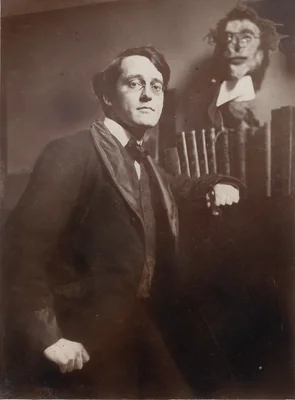
John Sloan
John Sloan (1871–1951) was an essential American painter and etcher whose unflinching realism fundamentally shifted the focus of early twentieth-century American art towards the lived experience of the modern city. He is recognized as a driving force behind the formation of the Ashcan School and was a foundational member of the progressive exhibition group known as The Eight. This collective challenged the conservative aesthetic dominance of the National Academy, advocating instead for art rooted in contemporary, everyday American life.
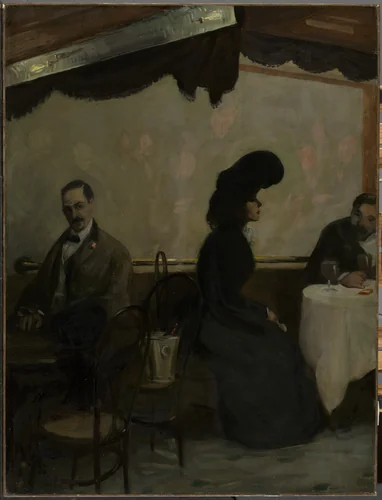
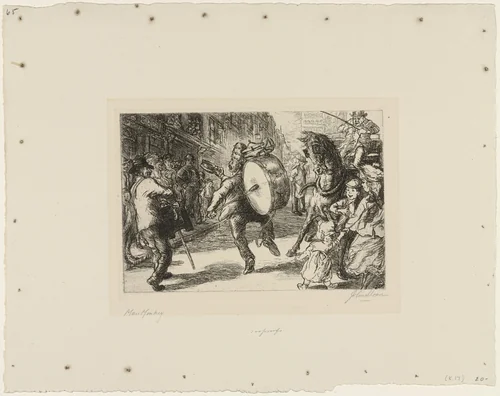
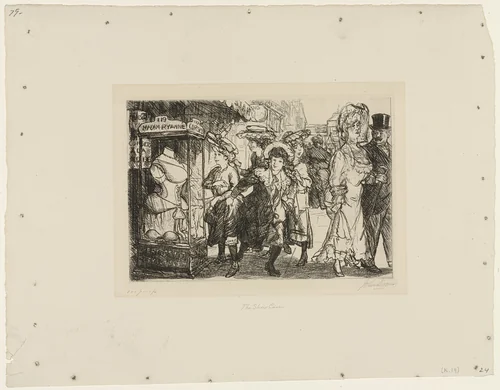
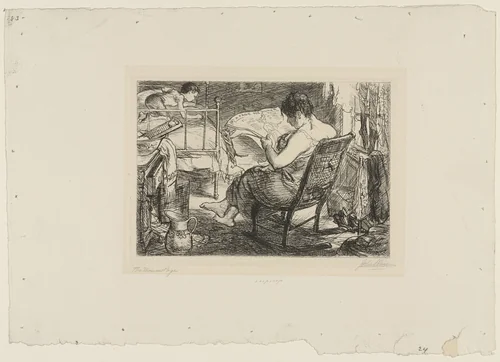
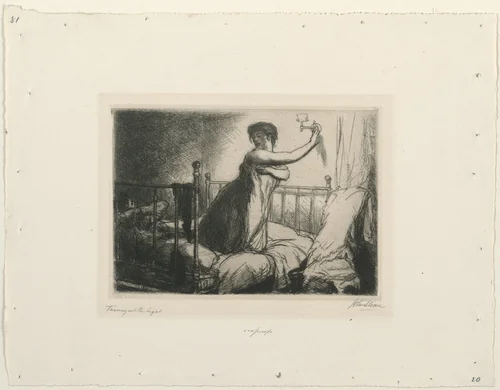
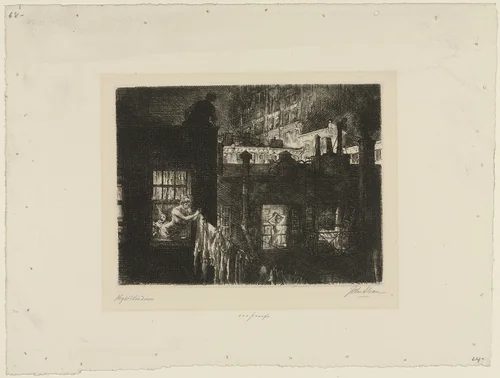
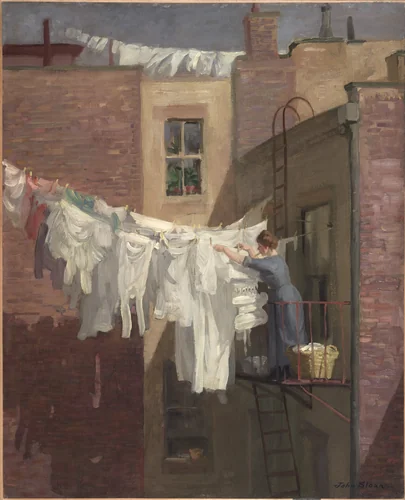
Sloan earned his reputation primarily through his mastery of urban genre scenes, depicting the vibrant, unvarnished existence of New York City neighborhoods between 1890 and the 1920s. He possessed an extraordinary ability to capture the essence of street theater, the quiet intimacy of tenements, and the bustling energy of nightlife, as exemplified in works like The Rathskeller. Much of his famed observational work was composed from the detached vantage point of his Chelsea studio window, granting viewers a slightly voyeuristic yet highly empathetic glimpse into the daily routines of the city’s inhabitants. This commitment to visual truth, coupled with his technical skill, defined him as arguably the premier artist of the Ashcan School.
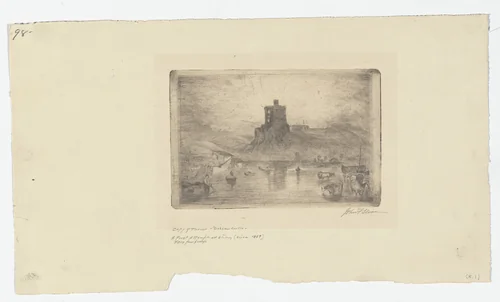
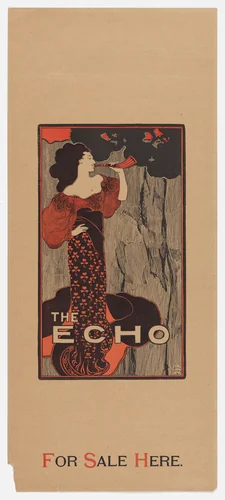
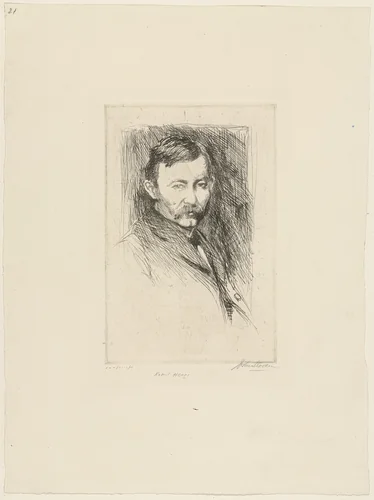
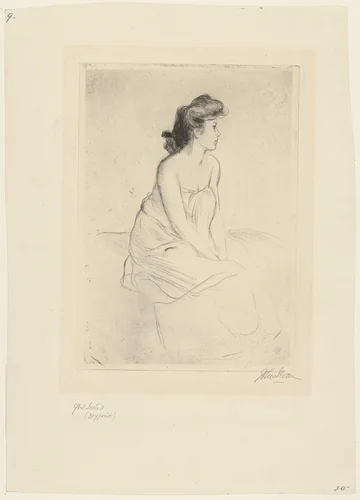
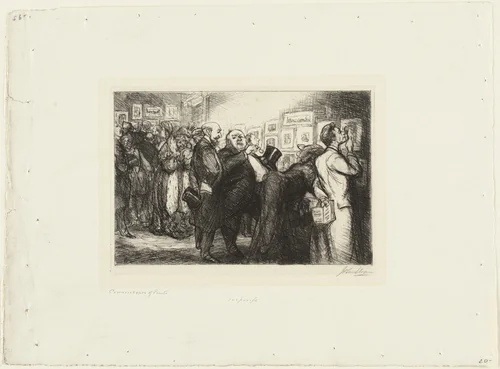
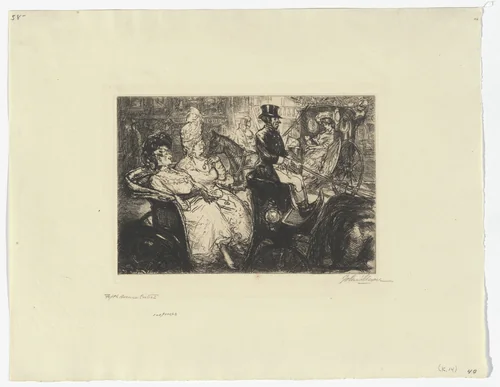
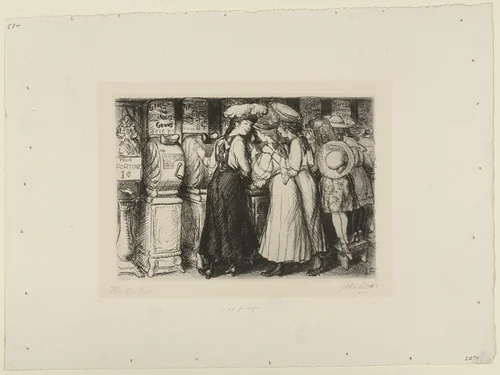
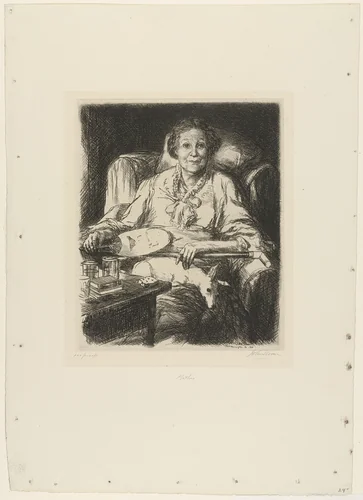
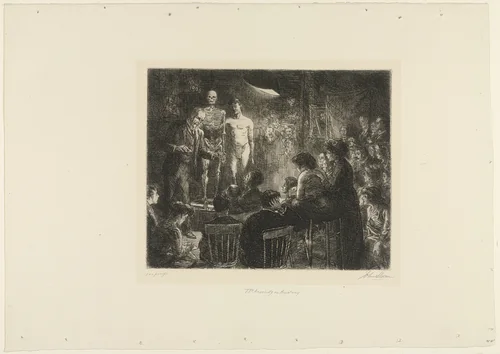
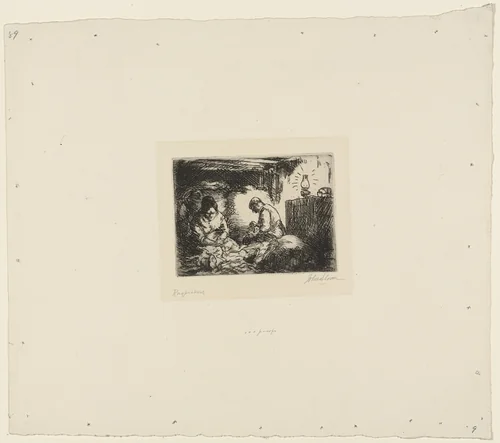
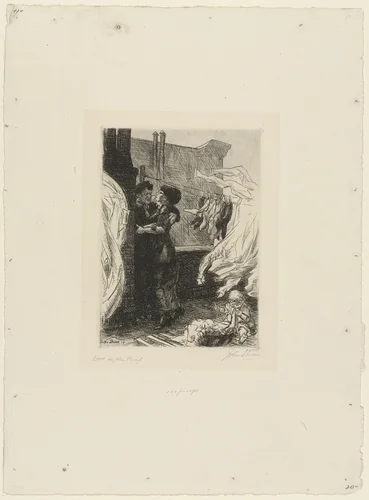
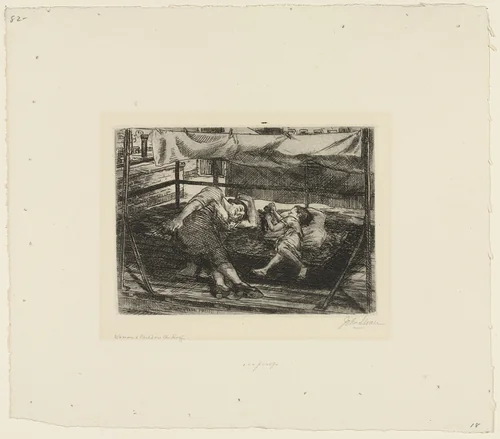
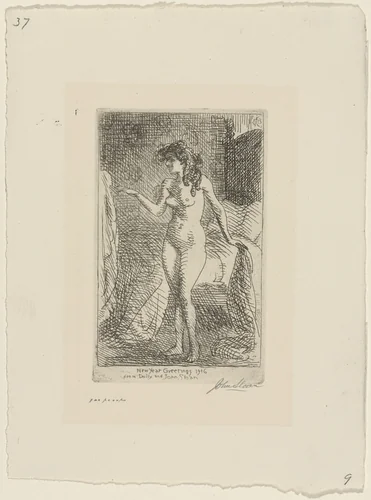
While celebrated for his John Sloan paintings, he was equally significant as a graphic artist. His comprehensive body of etched work, featuring pieces like The Echo - For Sale Here, established him as a leading American printmaker. Sloan was a committed political socialist who actively contributed to publications like The Masses, yet he maintained a rigorous distinction between his political activism and his artistic production. He insisted that his primary objective in painting and etching was visual documentation, not polemic.
His legacy is secured through major institutions, including the Cleveland Museum of Art and the Museum of Modern Art, which hold significant portions of his output. Given the historical importance of his realism and his critical role in American art history, many of his major compositions are now available in the public domain, allowing enthusiasts access to high-quality prints and downloadable artwork that continues to define the energetic spirit of turn-of-the-century New York.
Source: Wikipedia · CC BY-SA 4.0