John Skippe
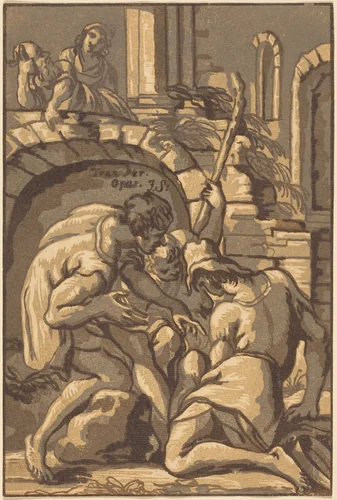
John Skippe (1741-1812) occupies a distinct, if compact, place within the history of 18th-century English printmaking. Active primarily between 1771 and 1782, his limited oeuvre of seven known prints has secured him enduring institutional recognition, with examples held today by major institutions such as the National Gallery of Art.
Operating during a period that valued both academic precision and the cultivation of personal artistic skill, Skippe is historically categorized as an amateur artist. This designation, common among the wealthy British gentry, often implied a high degree of leisure and the financial means to execute technically demanding graphic works without the necessity of market dependence. Skippe’s documented activity, spanning just over a decade, suggests a concentrated productivity focused almost exclusively on specific devotional and figure studies.
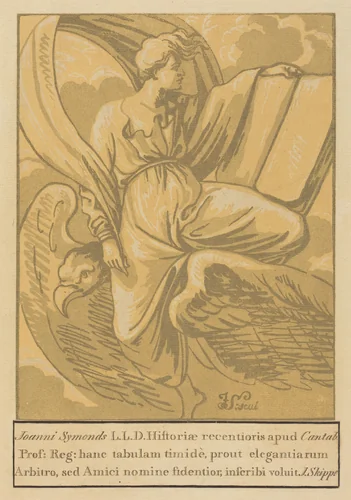
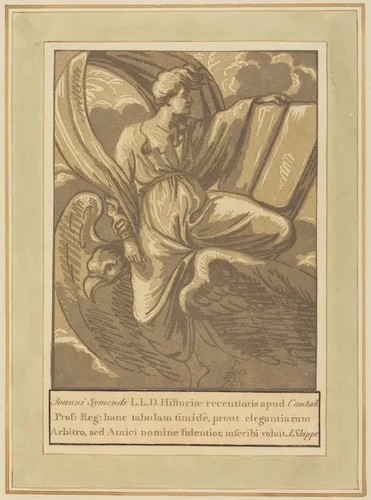
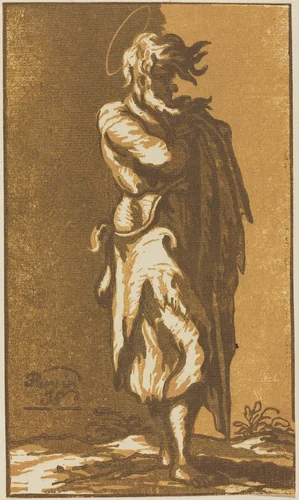
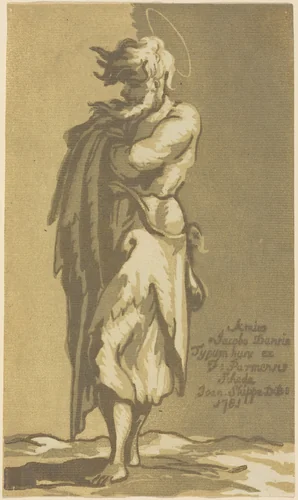
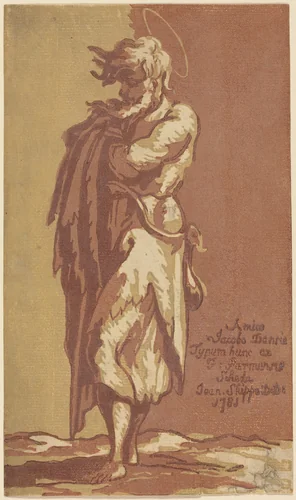
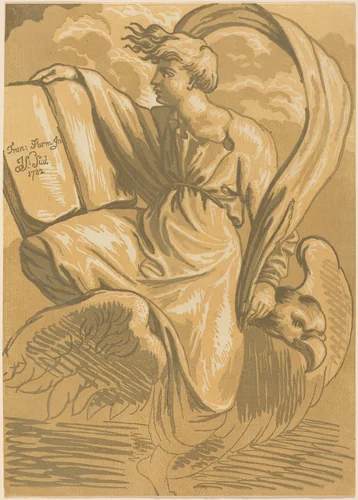
The consistency across his works cataloged suggests an acute focus on figure studies and religious subjects derived potentially from preparatory sketches or Old Master compositions. Five of the seven known works detail solitary male saints, often differentiated only by subtle changes in stance and orientation, such as Male Saint Standing with Folded Arms, Facing to the Right and its precise companion piece, Male Saint Standing, with Folded Arms, Facing to the Left. This iterative approach suggests that Skippe’s primary concern was the technical mastery of line and shadow, refining the anatomy of the draped figure rather than illustrating broad narrative. It is a minor, perhaps amusing, commentary on his methodical process that two distinct records are cataloged simply as Saint John the Evangelist.
While records of John Skippe paintings remain elusive, the survival of his high-quality prints provides valuable insight into the private artistic interests of the Georgian elite. Due to their age and subsequent institutional documentation, these graphic works frequently enter the public domain, making downloadable artwork derived from his rare prints accessible to scholars and enthusiasts seeking museum-quality reproductions today. His contribution, though small in number, represents a refined application of printmaking skills typical of the era’s cultivated English gentleman.
Source: Wikipedia · CC BY-SA 4.0