John Skinner Prout
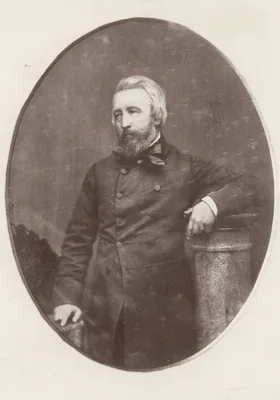
John Skinner Prout (1800-1860) was a highly versatile British practitioner whose career spanned painting, art instruction, and the emergent medium of lithography. Recognized today for his documentary precision and keen eye for architectural and topographical detail, Prout significantly contributed to the visual recording of colonial life, particularly during his influential period spent working in Australia in the 1840s. His command of graphic processes allowed his imagery to travel widely, making him an early and crucial disseminator of visual culture among the burgeoning settlements.
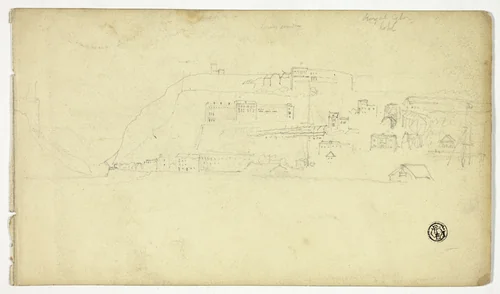
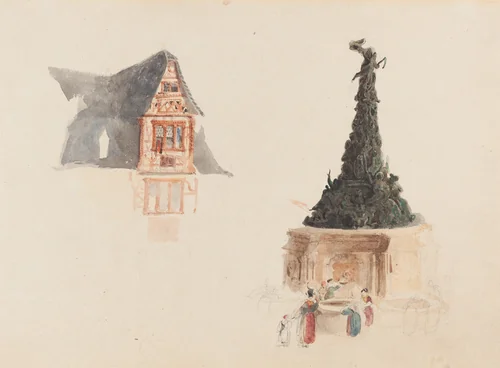
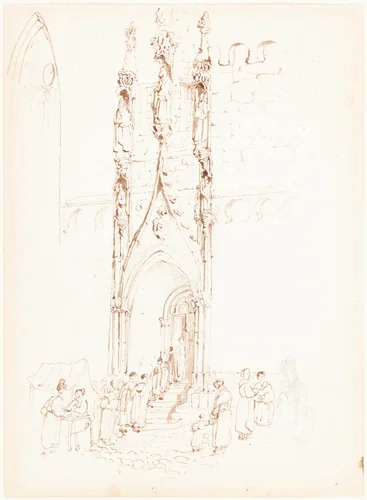
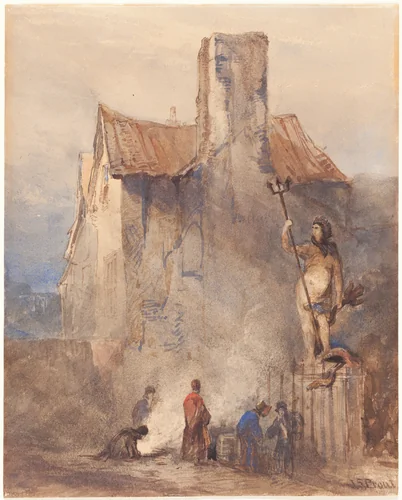
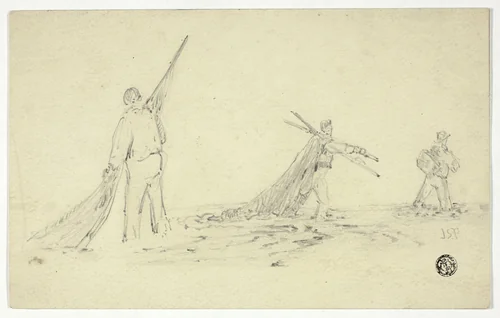
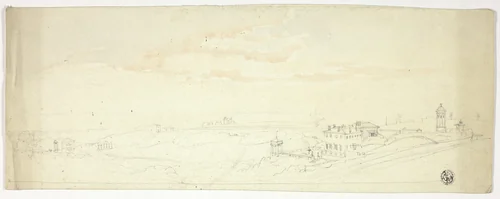
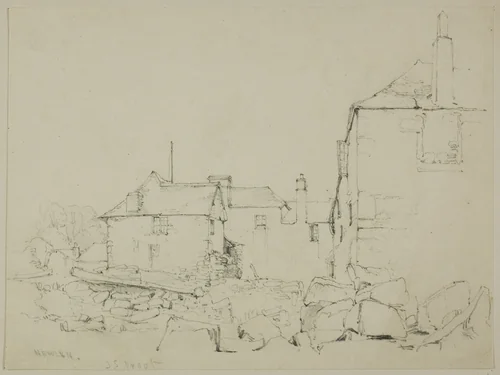
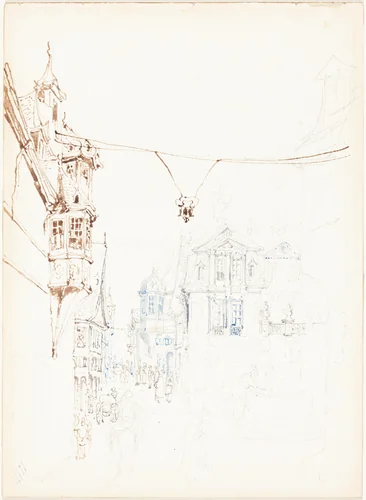
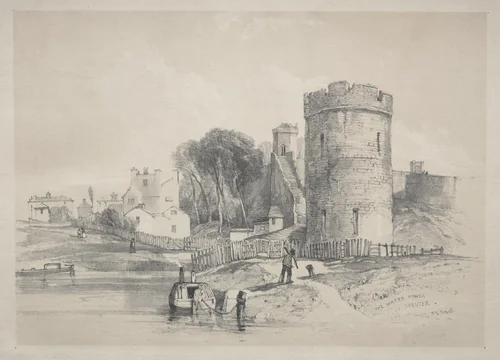
Although trained in traditional painting, Prout excelled in lithography, leveraging the medium’s reproductive speed to create accessible collections of topographical views that captured both natural beauty and burgeoning industry. Whether depicting the serene beauty of the View of Clifton or capturing the dramatic tension of civil disorder in works like The Bristol Riots: The Burning in the Street, his drawings retain a consistent clarity of line and composition. It is often noted that Prout’s architectural studies, such as the detailed A Gothic Arch or A Fountain and a Facade in Austria, reveal a distinct professional fondness for structure, lending a weight and permanence to his otherwise ephemeral scenes. This dedication to accurate rendering helped establish a benchmark for museum-quality illustrations accessible to the public.
Prout’s impact extended beyond his artistic output; as an art teacher and writer, he actively encouraged the development of artistic skills among colonial residents, furthering the establishment of local art communities. His primary legacy rests upon his visual documentation of a rapidly changing landscape, providing historians with invaluable records of nineteenth-century urban and rural life. Today, many of these significant drawings and John Skinner Prout prints are held in prestigious international collections, including the Art Institute of Chicago, the Cleveland Museum of Art, and the National Gallery of Art. As much of his work has entered the public domain, Prout’s precise renderings continue to offer contemporary viewers direct, royalty-free access to the aesthetics and events of the mid-nineteenth century.
Source: Wikipedia · CC BY-SA 4.0