John Singleton Copley
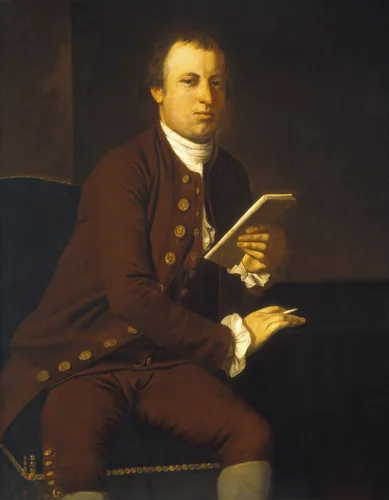
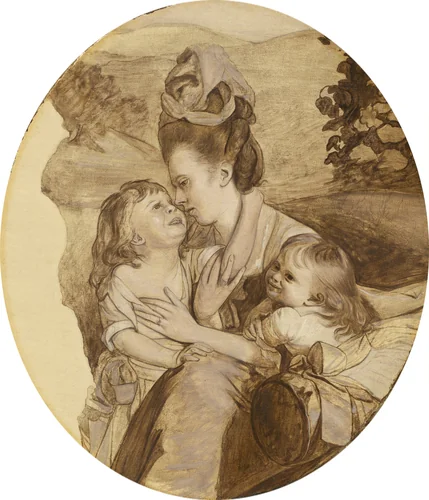
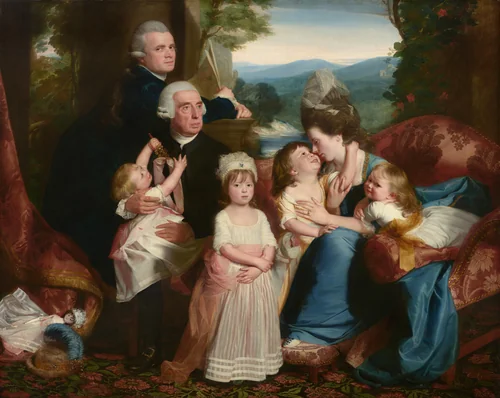
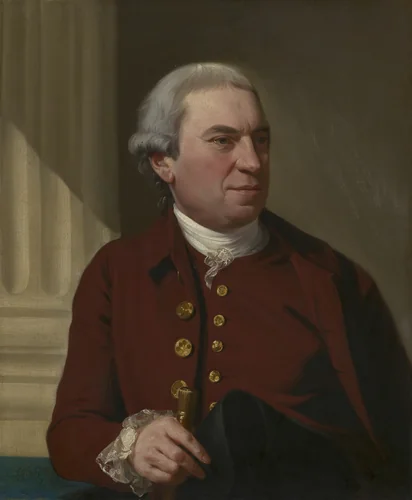
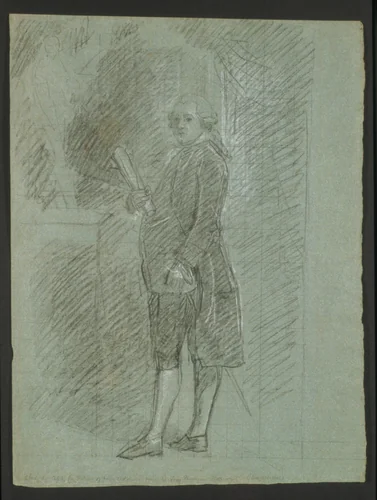
John Singleton Copley is a figure indispensable to understanding the trajectory of 18th-century transatlantic painting. Born in Boston, Province of Massachusetts Bay, Copley rapidly established himself as the premier portraitist of the Thirteen Colonies’ elite during the mid-eighteenth century. His success was immediate and undeniable; he captured the prosperity and material reality of New England society with meticulous precision, evident in iconic works such as Jane Browne and his detailed depictions of the family patriarch and matriarch, John Greenleaf and Elizabeth Greenleaf. His ability to render texture, from polished mahogany to the precise fall of lace, gave his sitters an almost sculptural presence, cementing his reputation as the definitive chronicler of the colonial mercantile class.
Copley was active exclusively in the colonies between 1751 and 1774, mastering the portrait genre without formal training outside of America. This period of colonial dominance was followed by a definitive shift when he relocated to London in 1774, a move that introduced him to wider European stylistic conventions. He never returned to the fledgling United States.
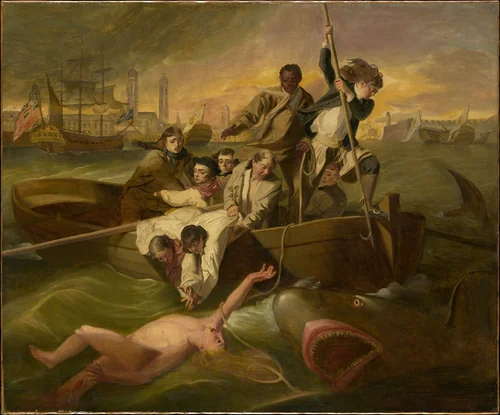
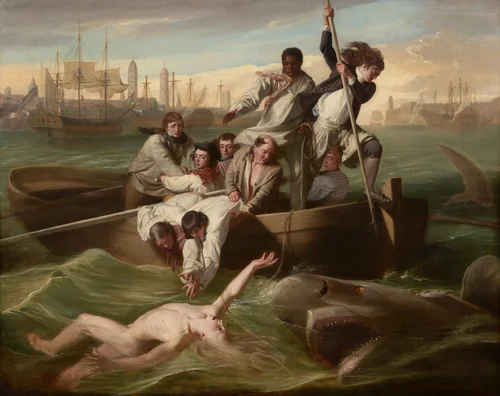
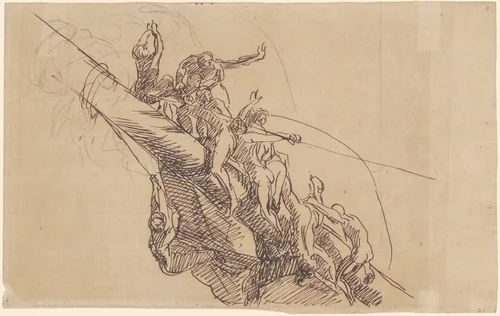
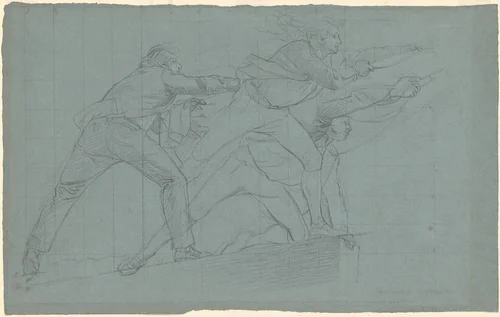
While Copley maintained considerable success as a portraitist in Britain for the next two decades, his most significant innovations during this period lay in history painting. He revolutionized the genre by applying monumental scale to contemporary subjects, embracing modern dress and settings in place of classical allegory. His ambitious canvas, The Return of Neptune, exemplifies his desire to tackle grand narratives with a refreshing realism, marking him as distinctly forward-thinking for his era.
Copley’s prolific output declined somewhat in his final years. Despite his extensive commercial success and fame on two continents, he died heavily in debt, a curiously common fate among artists celebrated during their lifetimes. His legacy, however, is not tied to his financial records but to the visual record he created of two distinct worlds, colonial New England and Georgian London. Today, his significant body of work is widely accessed; many of his finest John Singleton Copley paintings are now in the public domain. This ensures that art enthusiasts can acquire high-quality prints and continue to study the definitive visual voice of early America, often through museum-quality reproductions found in major collections globally, including the Metropolitan Museum of Art and the Art Institute of Chicago.
Source: Wikipedia · CC BY-SA 4.0