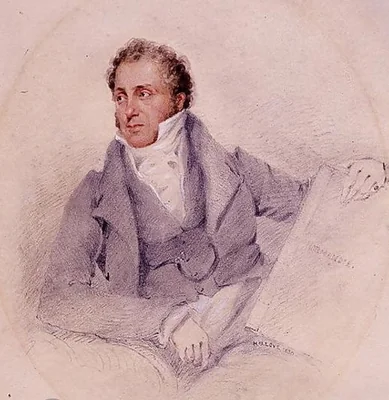
John Sell Cotman
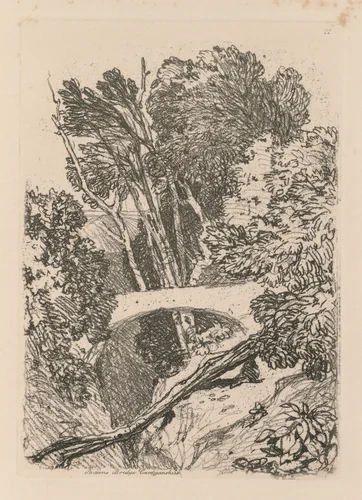
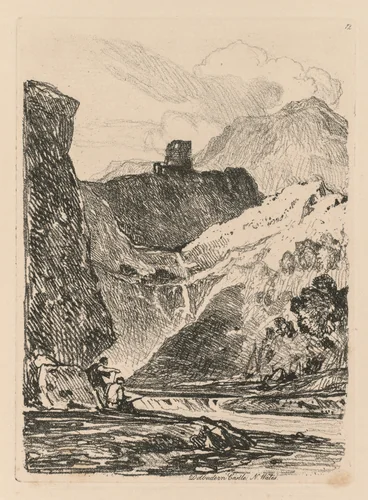
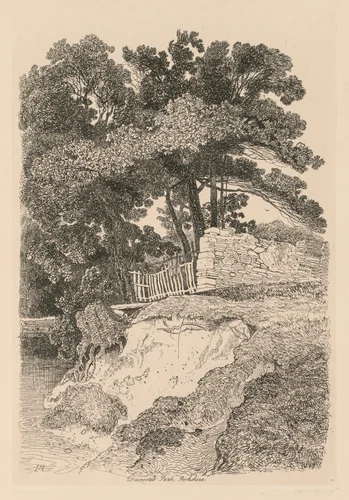
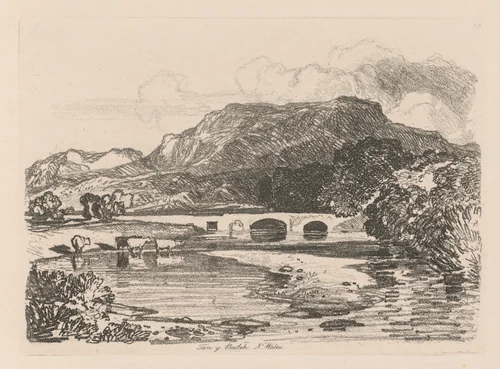
John Sell Cotman stands as one of the most significant figures in early 19th-century British art, distinguishing himself not only as a prodigious marine and landscape painter but also as a skilled etcher and prolific illustrator. A leading light of the Norwich School of painters, Cotman’s work moved beyond the conventional picturesque tradition, prioritizing bold design and a flattened, almost abstract application of color that anticipated later modernist tendencies. His commitment to this regional group affirmed the status of Norwich as a vital center of artistic innovation outside the capital.
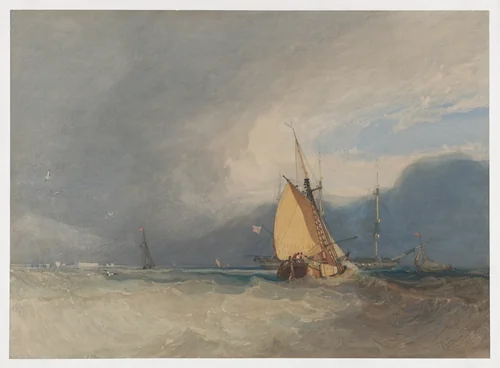
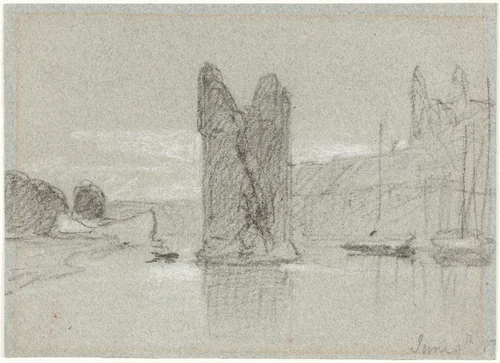
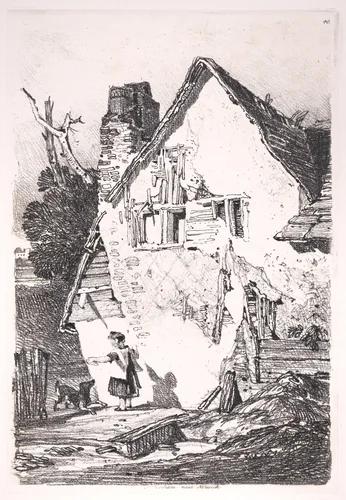
Cotman achieved particular renown for his refined handling of light, tone, and architectural structure. Where many contemporaries layered elaborate detail, Cotman tended toward economy, often reducing the complicated visual data of buildings and foliage into essential geometric blocks. This commitment to rigorous form is evident in studies such as Cottage at Diss and the more mechanically focused Eye Mill in Suffolk. His approach to drawing demonstrates a restless technical curiosity, ranging from dynamic graphite sketches like Sketch of Actor Standing and Sketch of Actor Sitting to more detailed, intimate genre scenes. It is perhaps ironic that an artist whose broader fame rests on the grand sweep of the Norfolk coast also excelled at capturing the simple, domestic gesture observed in Boy Milking Cow.
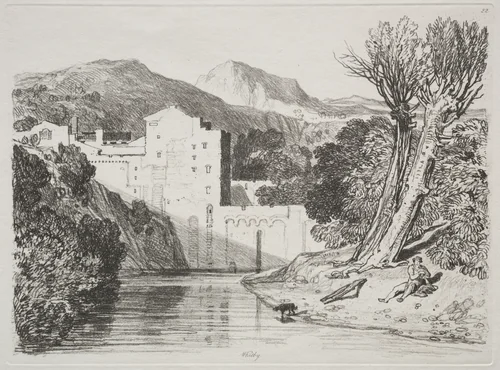
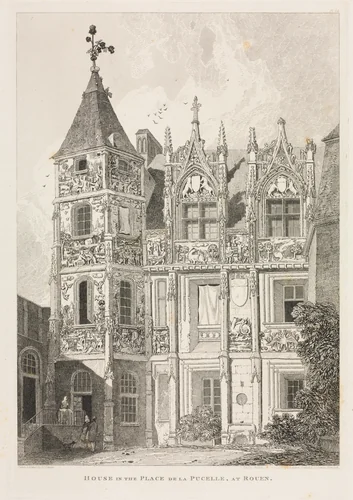
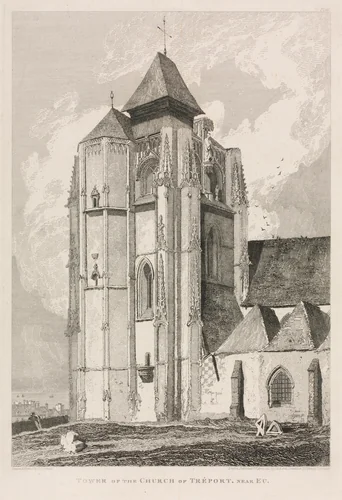
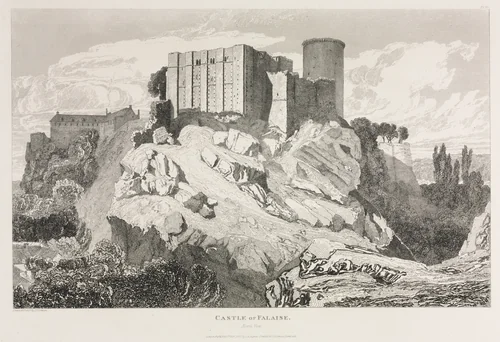
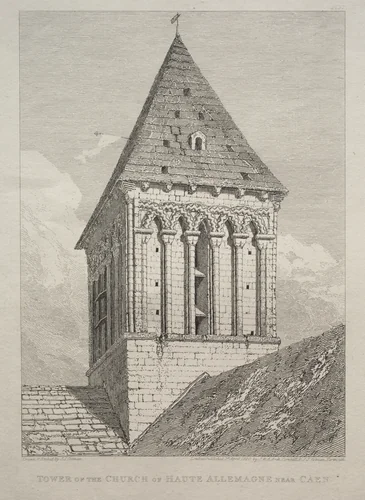
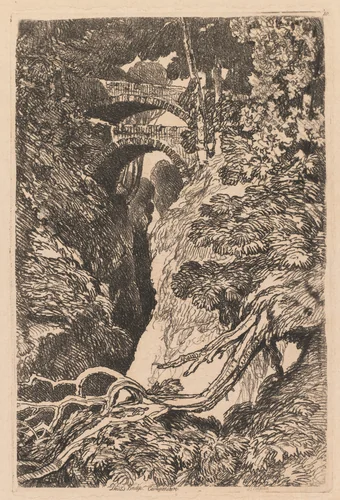
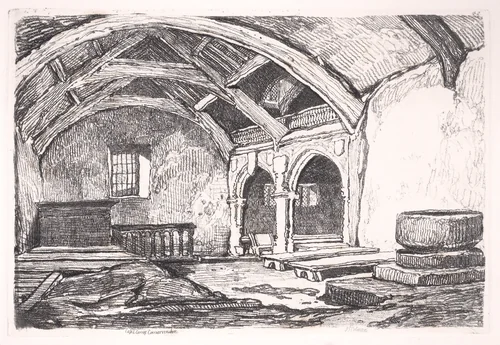
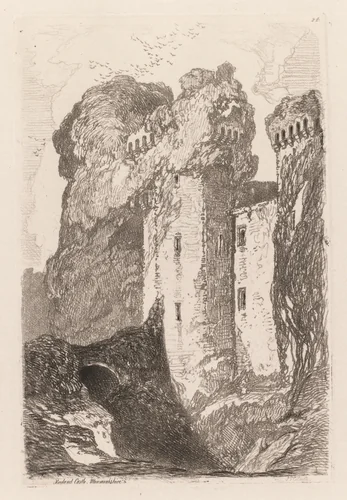
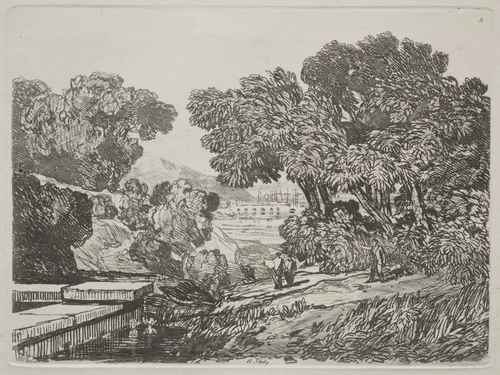
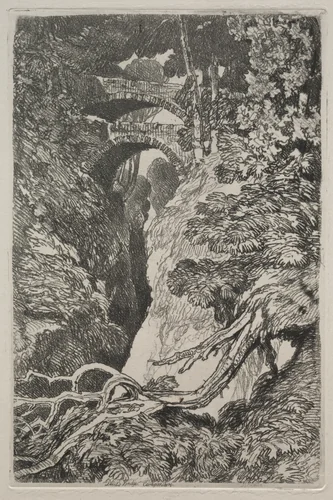
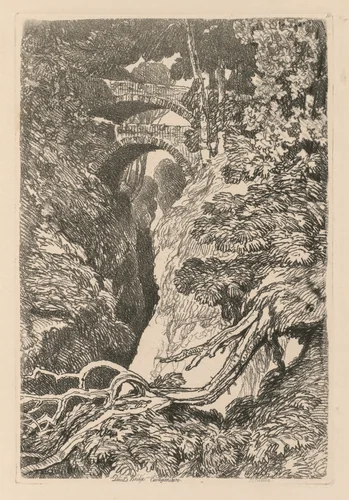
His prints, particularly his architectural etchings, remain highly prized for their technical clarity and masterful execution, cementing John Sell Cotman prints as a cornerstone for collectors of Georgian-era British art. His enduring popularity is reflected in the retention of his works by major international institutions, including the National Gallery of Art, the Rijksmuseum, and the Art Institute of Chicago. As a crucial figure bridging the gap between topographic accuracy and atmospheric freedom, Cotman's innovations ensured that his influence persisted well into the Victorian era. Because much of his oeuvre now resides in the public domain, art lovers today can easily access high-quality prints and reproductions of his watercolors and drawings.
Source: Wikipedia · CC BY-SA 4.0