John Sadler
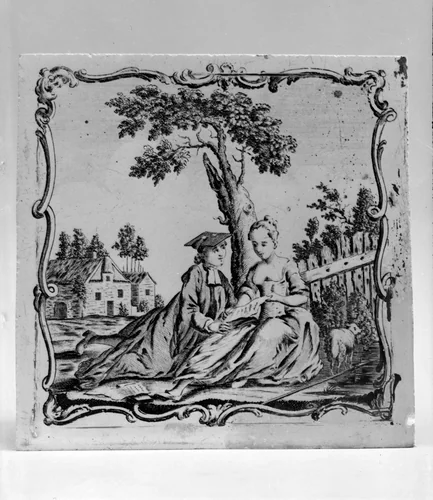
John Sadler (fl. 1756-1757) holds a seminal, if often understated, position in the history of decorative arts and industrial ceramics. Based in Liverpool, Sadler, in partnership with Guy Green, is credited with inventing the technique of transfer-printing in 1756. This innovation was not merely a technical refinement; it constituted a paradigm shift in how intricate, detailed decoration could be applied to utilitarian objects like earthenwares and tiles, moving sophisticated aesthetics from the exclusive realm of hand-painted artistry to accessible mass production.
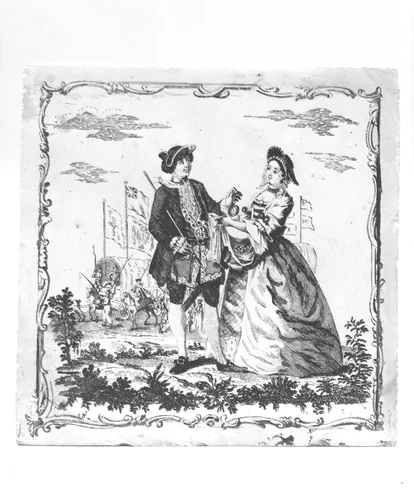
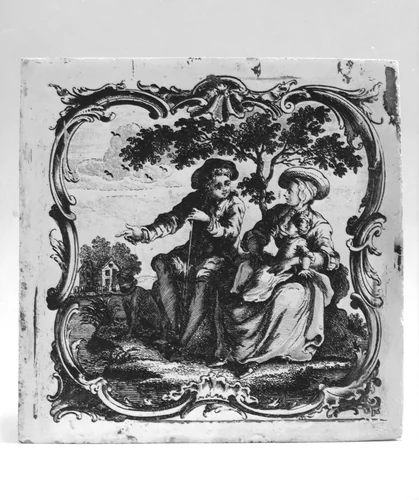
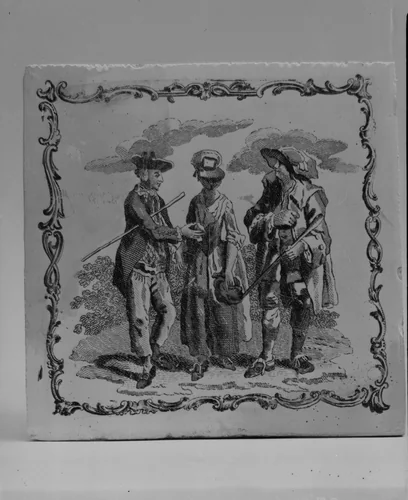
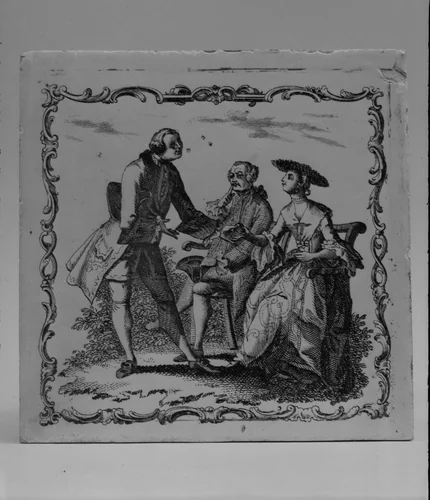
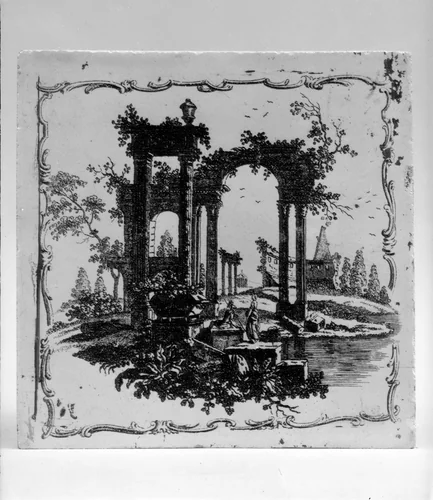
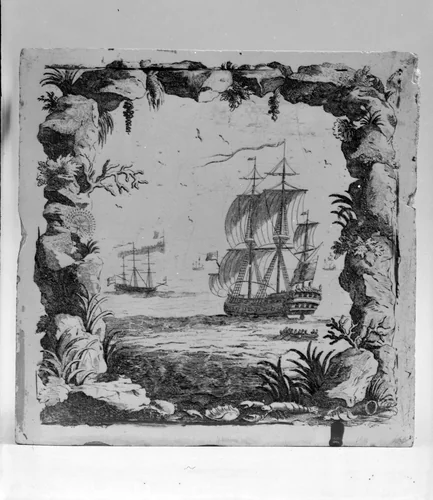
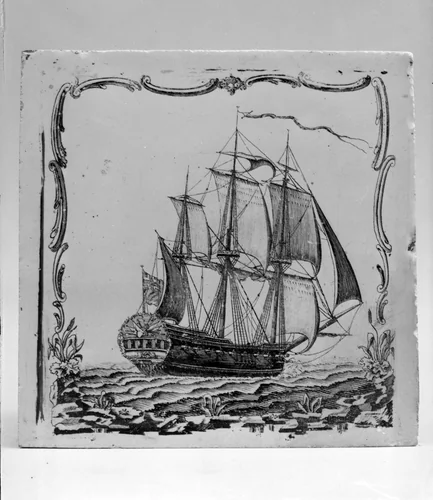
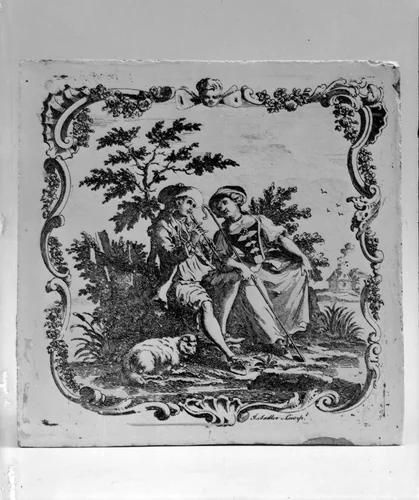
Prior to Sadler’s method, decorative ceramics demanded specialized, time-intensive hand painting. Transfer-printing, conversely, involved applying specialized ceramic pigments to an engraved plate, printing the image onto a sheet of paper, and then quickly transferring this design directly onto the glazed ceramic surface before a final firing. The speed and uniformity this process afforded allowed for the widespread dissemination of high-quality prints featuring popular Rococo, Chinoiserie, and classical motifs across Britain and its colonies. These early examples of tiled decoration are today considered museum-quality benchmarks of mid-eighteenth century industrial design.
Sadler’s enterprise excelled by focusing on commercial efficiency, operating outside the stricter confines governing major porcelain manufacturers. The mechanical method he perfected ensured that fashionable iconography was no longer restricted to the elite, but could rapidly furnish the homes of a burgeoning middle class. This quiet revolution in production methods speaks to Sadler’s profound attunement to the demands of a changing consumer market—a man whose legacy rests on decorative tiles and the mechanical reproduction of art rather than conventional canvases.
While records indicate no John Sadler paintings, his work focused almost exclusively on producing durable, functional items, examples of which are preserved in institutions like the Metropolitan Museum of Art. His transfer-printed tiles stand as historical artifacts defining the transition from specialized craft to standardized industrial décor. The pioneering designs developed during his active period remain influential, and many related works and methods have since fallen into the public domain, ensuring that the legacy of John Sadler prints continues to inform contemporary graphic arts.
Source: Wikipedia · CC BY-SA 4.0