John Rubens Smith
John Rubens Smith (1775-1849) holds a distinguished position within the transitional period of American art history, bridging the academic traditions of his native London with the burgeoning visual demands of the United States. Active primarily as a painter, draftsman, and highly proficient printmaker, Smith leveraged a rigorous European training to document and shape the artistic sensibilities of the young republic through both his prolific output and his long, influential tenure as an instructor.
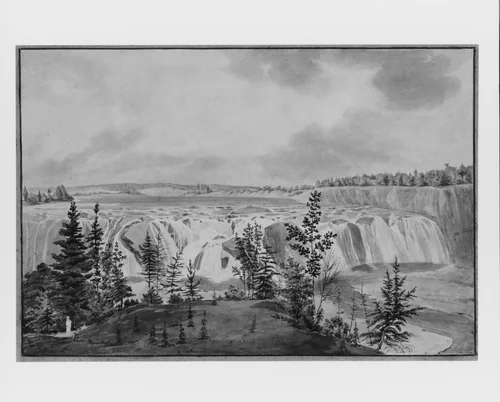
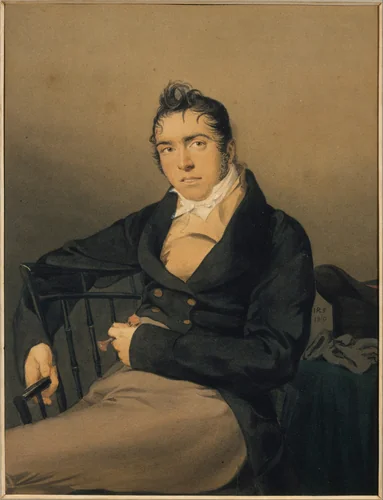
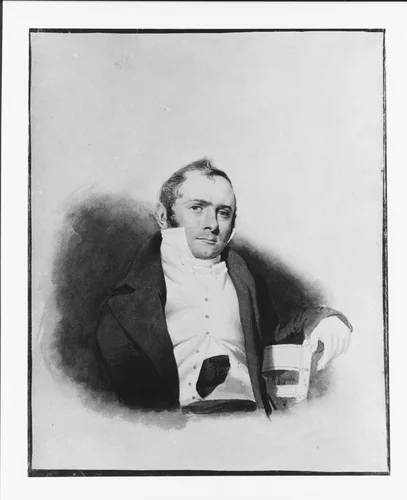
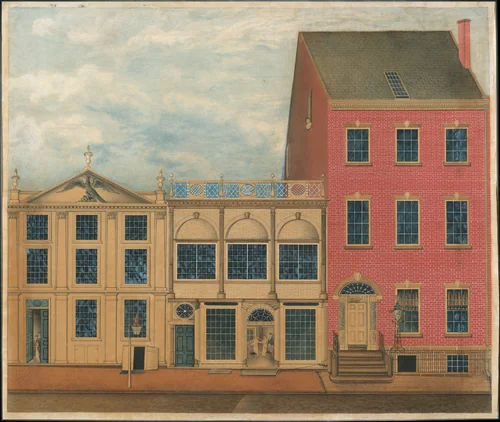
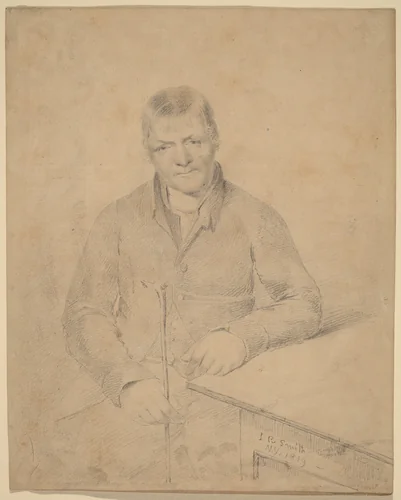
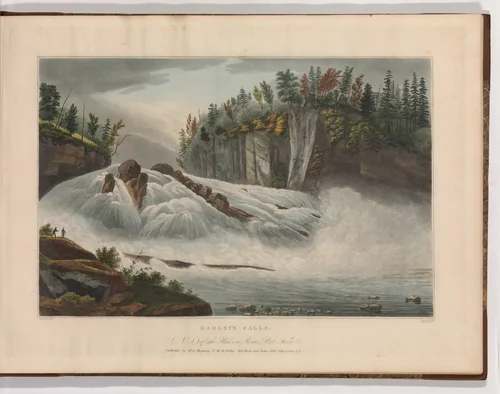
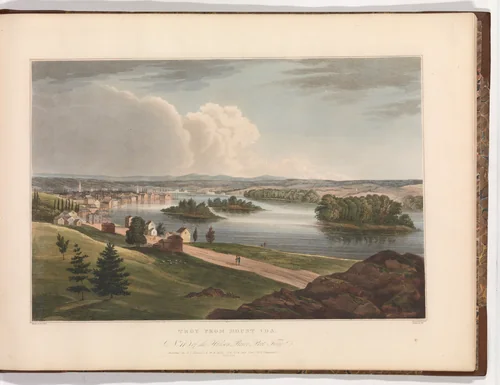
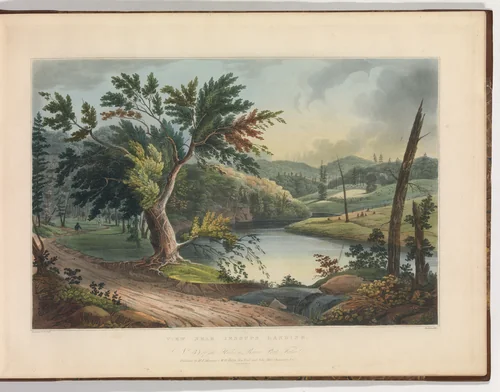
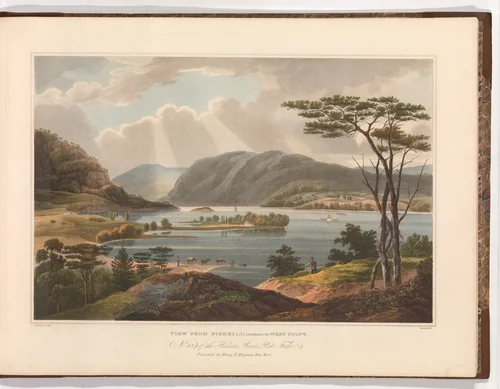
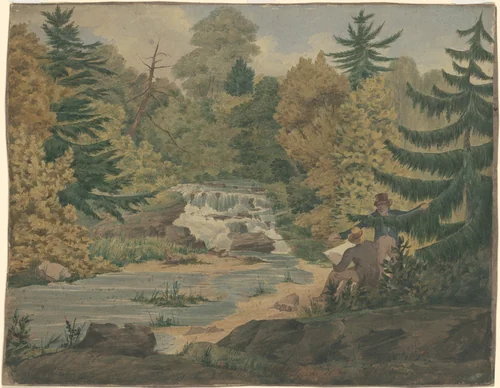
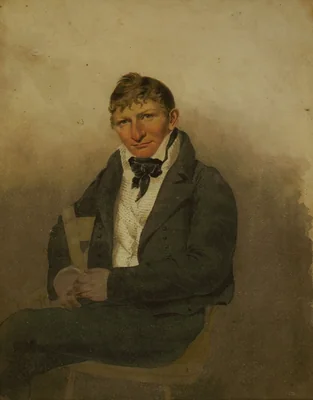
Smith’s lasting historical significance rests primarily on his documentary skills. He specialized in producing accessible portraits and detailed topographical views, capturing the physical and social realities of the expanding nation. While works like the portraits of Allan Melville and Gabriel V. Ludlow attest to the period’s appetite for high-quality likenesses, his architectural renderings provide invaluable records for contemporary historians. The precise detail of the print Shop and Warehouse of Duncan Phyfe, 168–172 Fulton Street, New York City, is a crucial document of early American commercial architecture, recording the premises of the era’s most celebrated furniture maker. His ability to handle environmental scale is evident in studies like Cohoes Falls on Mohawk River, New York, demonstrating his mastery of both natural grandeur and meticulous draftsmanship.
As an art instructor, Smith transmitted the foundational academic principles to a generation of American students. He was instrumental in popularizing printmaking techniques, ensuring that his technical mastery, particularly in mezzotint and aquatint, made high-quality prints readily accessible to the growing middle class. Today, major institutional holdings, including the Metropolitan Museum of Art and the National Gallery of Art, preserve his definitive works, establishing their museum-quality status.
Interestingly, despite decades spent documenting the American environment, commerce, and people, Smith remained culturally English throughout his life, an outsider whose objective eye proved uniquely valuable to capturing the character of his adopted country. Because a significant portion of John Rubens Smith prints and drawings are now within the public domain, they serve as essential visual anchors for the period and are available as downloadable artwork for researchers and enthusiasts worldwide.
Source: Wikipedia · CC BY-SA 4.0