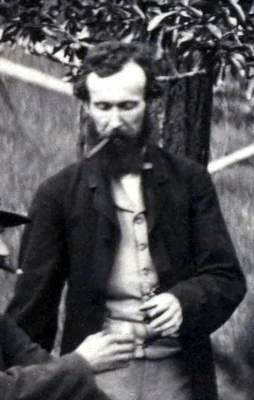
John Reekie
The American Civil War fundamentally redefined the role of photography, becoming the first conflict extensively documented through the camera lens. This visual proliferation, spanning from 1861 to 1865, yielded images that were rapidly copied and distributed to the public through newspapers, personal carte de visite, and various print formats. A defining characteristic of this photographic effort was the widespread use of the stereo camera; roughly 70 percent of the documentary footage captured produced paired images designed to be viewed in three dimensions on a stereoscope, offering citizens a visceral, if often sanitized, window into the war.
John Reekie was a pivotal figure within this documentary movement, contributing crucial visual records often associated with the efforts of Alexander Gardner. His works, though limited in number, are significant for their unwavering focus on the logistics, infrastructure, and solemn aftermath of combat rather than the spectacle of battle itself. Reekie operated not as a heroic chronicler but as a meticulous visual accountant, documenting supply lines, fortifications, and, most powerfully, the grim administrative task of burying the fallen.
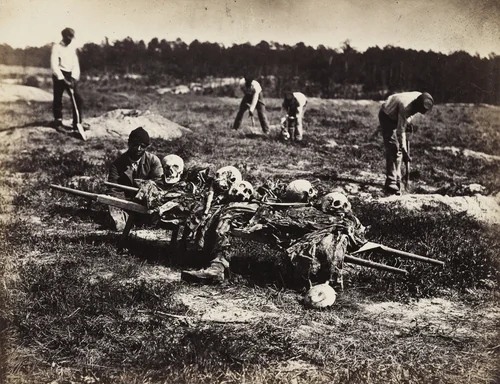
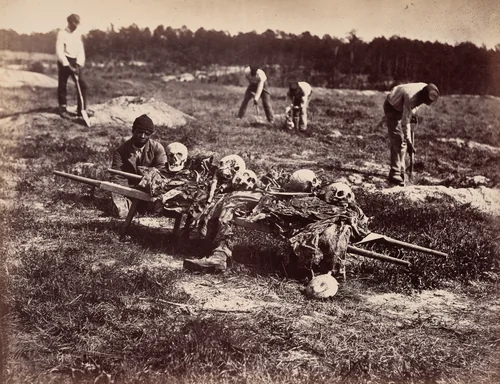
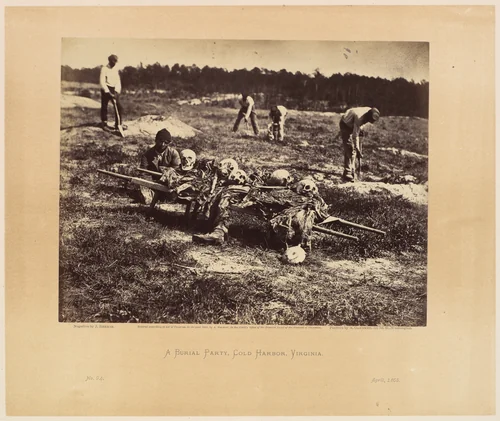
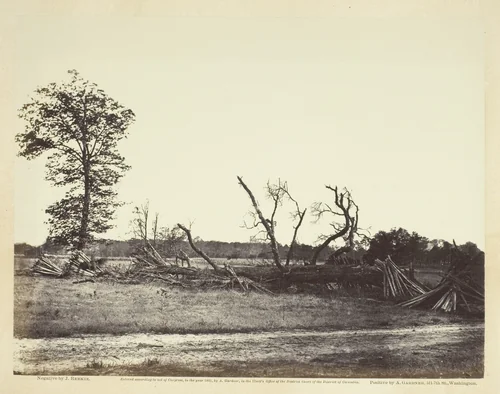
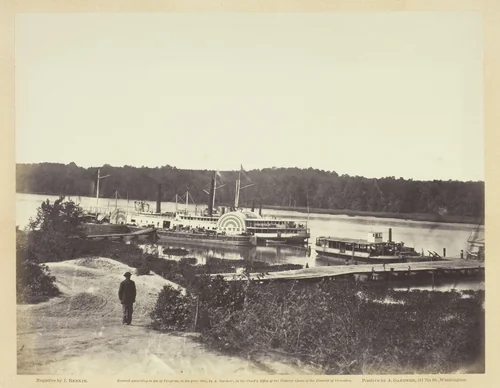
His most recognized photographs stand as uncompromising studies of necessary closure and forgotten labor. A Burial Party, Cold Harbor, Virginia, perhaps his most famous composition, captures the desolate scene of soldiers preparing graves, presenting a haunting meditation on casualty numbers made real. Similarly, Extreme Line of Confederate Works, Cold Harbor, Virginia highlights the sheer scale of the conflict’s defensive engineering. Other images, such as Wharf, South Side of James River, Opposite Richmond, Virginia, attest to the complexity of the war’s required logistical support.
Reekie’s visual records quickly entered the public sphere through publications like Gardner’s Photographic Sketch Book of the War, Volume II (1866). The enduring historical and artistic value of John Reekie prints is validated by their presence in prestigious collections, including the National Gallery of Art, the Metropolitan Museum of Art, and the Museum of Modern Art, confirming their status as museum-quality material. Today, much of this foundational military photography is located in the public domain, providing crucial access to high-quality prints for scholars and researchers globally.
![[Wharf, South Side of James River, Opposite Richmond, Virginia] by John Reekie, photograph, 1861-1865](https://img.artbee.org/df4b5548-177d-4405-b509-ed8fdfd5eb85/small.webp)