John Ramage
John Ramage (1748–1802), an Irish American artist active primarily during the founding decades of the United States, stands as an important, if often overlooked, chronicler of the early republic. Operating predominantly in the milieu of New York and the mid-Atlantic region, his portraiture captured critical military and political figures responsible for forging the nascent nation. His activity, documented from roughly 1777 to 1790, coincided precisely with the shift from revolutionary fervor to organized statecraft.
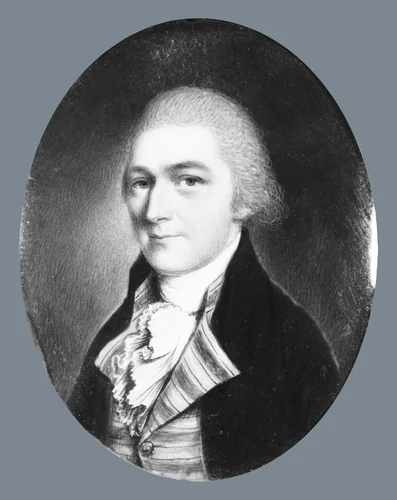
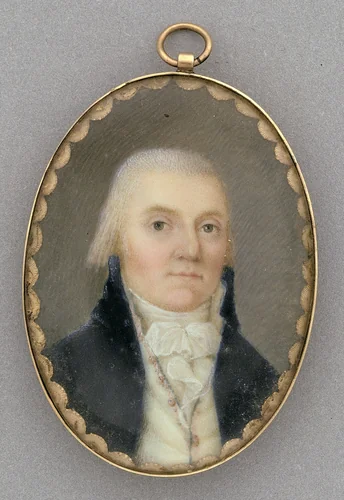
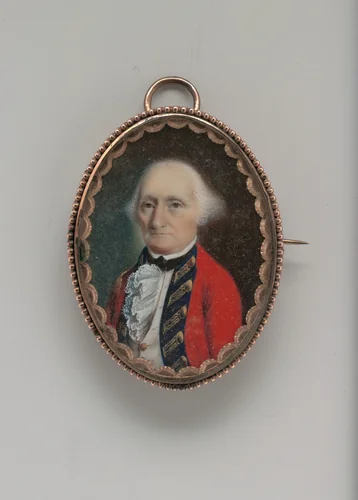
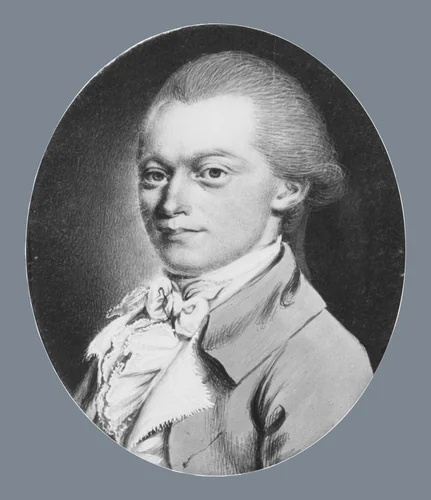
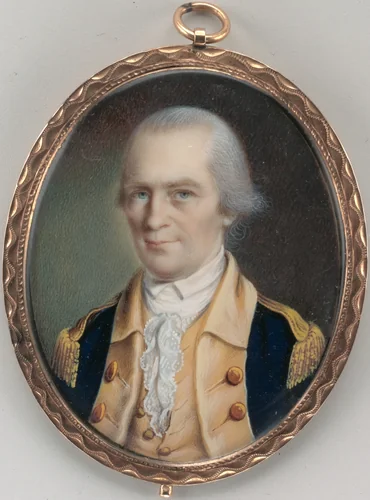
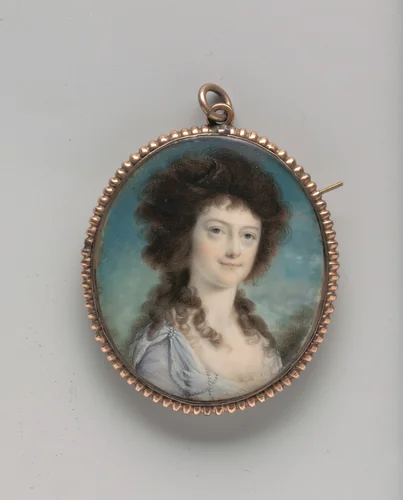
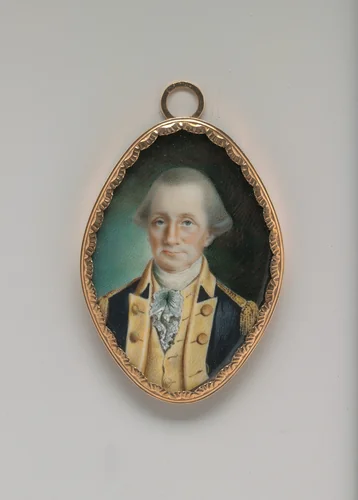
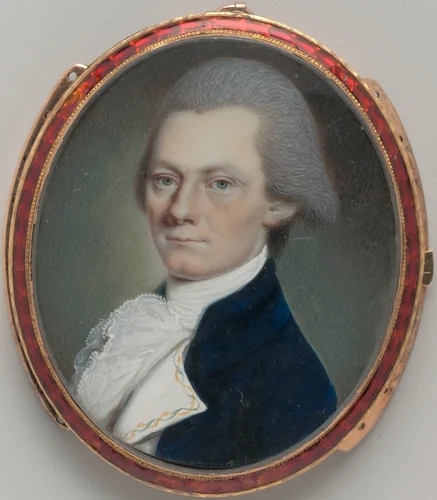
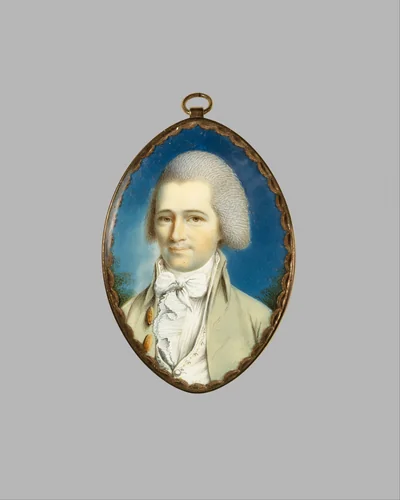
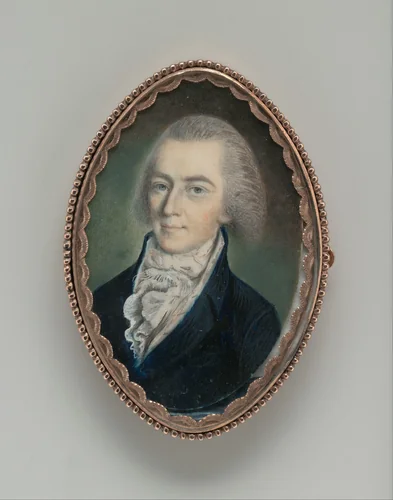
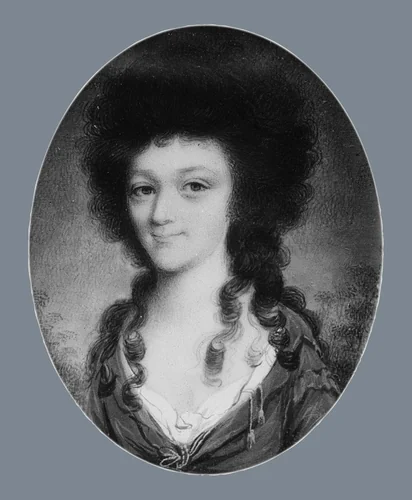
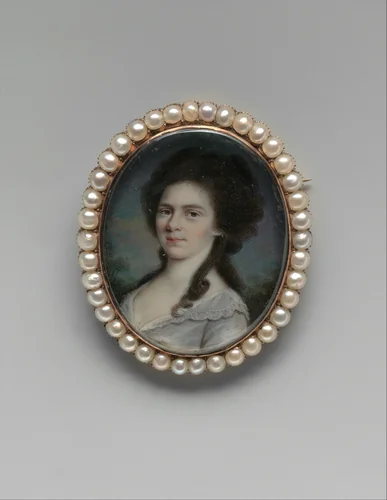
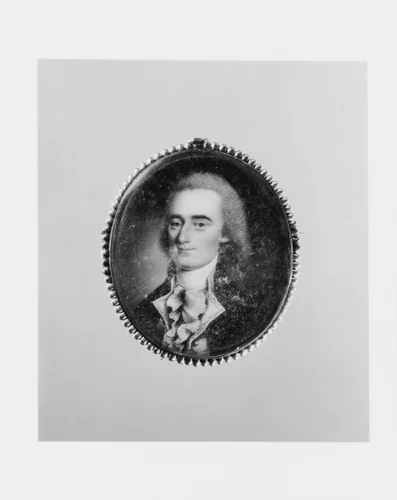
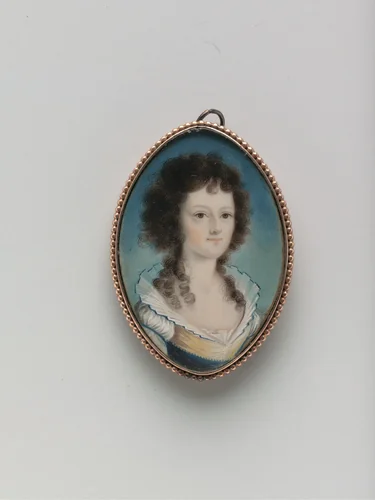
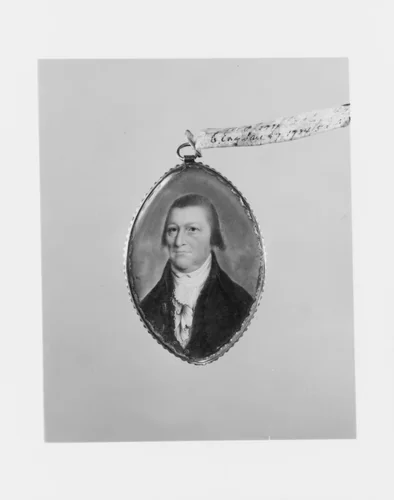
Ramage’s artistic specialization centered on formal portraiture, a necessary art form in the post-Revolutionary era where leaders required visual representation to establish authority and iconography. His sitters included individuals central to colonial and federal transition, granting his work significant historical weight. Among his most recognized surviving works are the stately rendering of Governor George Clinton, a pivotal political figure in New York, as well as portraits of prominent citizens such as John Maunsell, Gilbert Van Cortlandt, and Portrait of Augustine Taylor. His dedication to capturing the serious verisimilitude of his subjects ensures that the viewer receives a direct, unvarnished look at the generation charged with self-governance. It is an interesting side note that these powerful sitters, facing the daunting task of state-building, rarely offered the viewer a smile, preferring instead an expression of sober determination.
The sustained historical significance of John Ramage paintings is evidenced by their inclusion in elite institutional holdings, including the Metropolitan Museum of Art and the Art Institute of Chicago, securing his reputation as a producer of museum-quality historical portraiture. This institutional preservation has, in turn, allowed wider access to his oeuvre. As many of these eighteenth-century works have entered the public domain, researchers and enthusiasts can now examine the details of his craft. High-quality prints derived from the original works, including early examples of John Ramage prints, are increasingly accessible, preserving the visual legacy of this critical period for a new generation.