John Quincy Adams Ward
John Quincy Adams Ward (1830-1910) stands as a foundational figure in American sculpture, instrumental in the transition from mid-century neoclassical tradition to a forceful, distinctively American naturalism. His most recognized achievement is the commanding, larger-than-life statue of George Washington situated on the steps of Federal Hall National Memorial in New York City. This work, often considered the definitive bronze portrayal of the nation's founder, cemented Ward’s reputation as the preeminent sculptor of civic memory during the late nineteenth century.
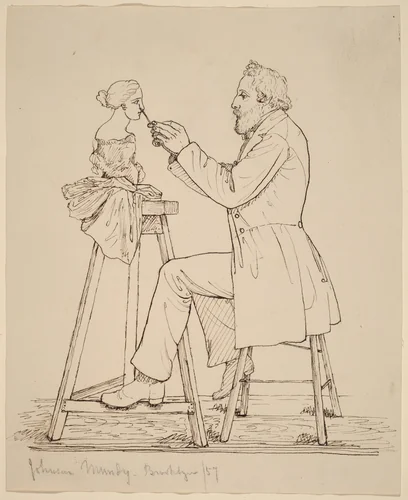
Ward’s early career, which began around 1857, was marked by an intense, disciplined study of the human form. Unlike many contemporaries who relied heavily on European training and academic precedent, Ward advocated for an independent American style, grounded in observation and psychological presence. He possessed a keen ability to render movement and character in static metal, qualities that made him highly sought after for public commissions celebrating historical figures and ideals of national identity.
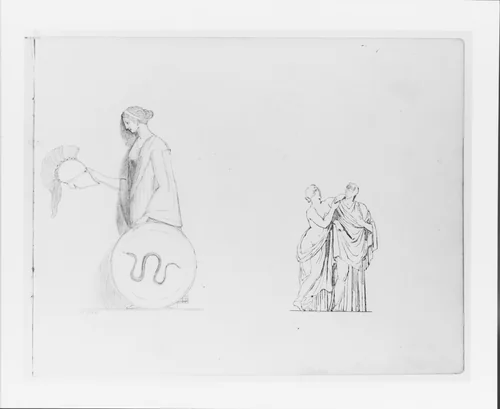
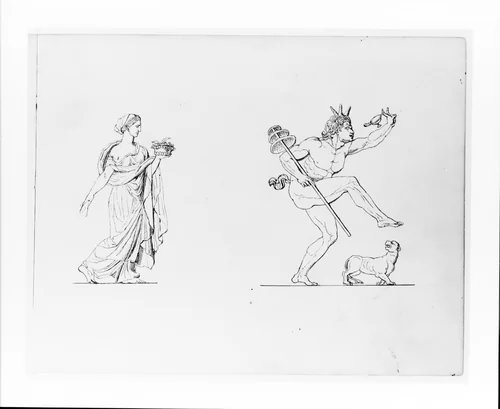
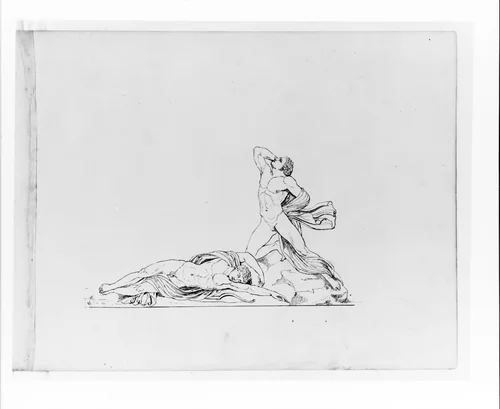
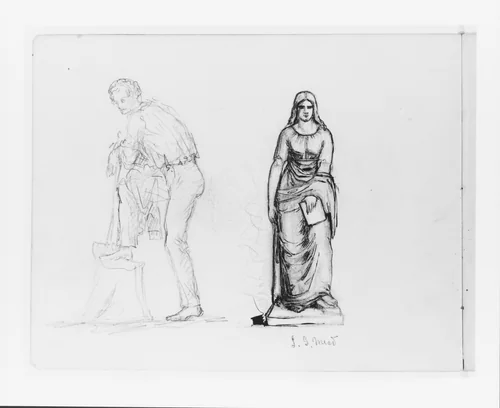
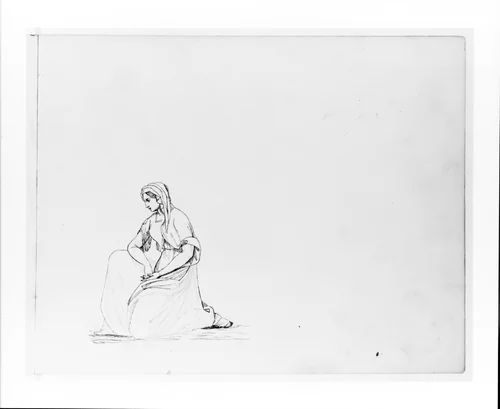
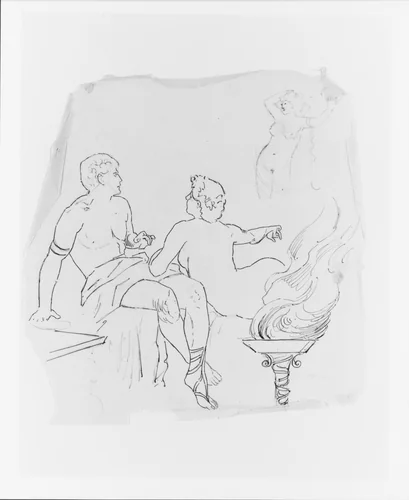
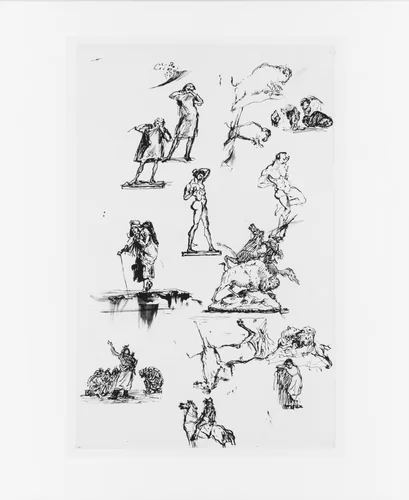
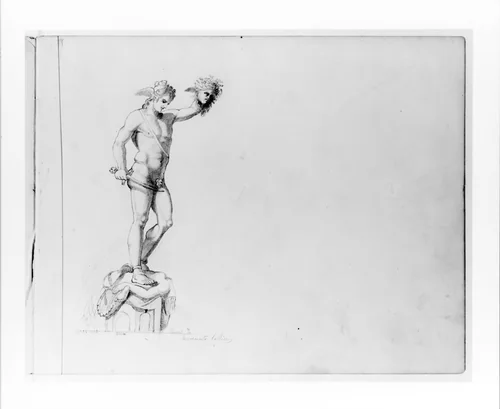
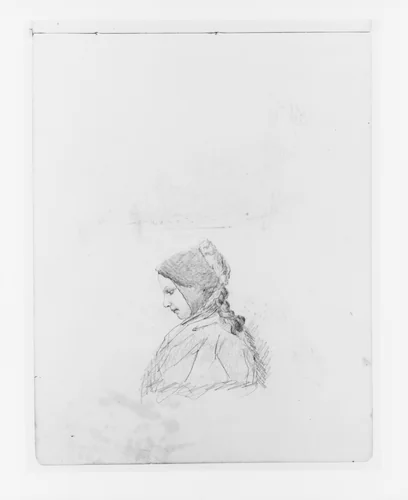
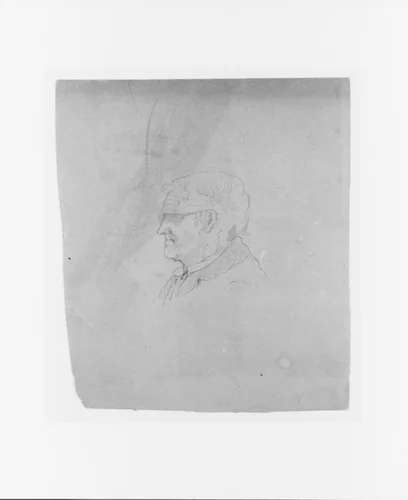
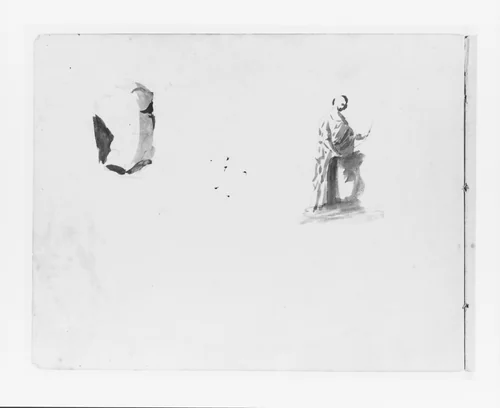
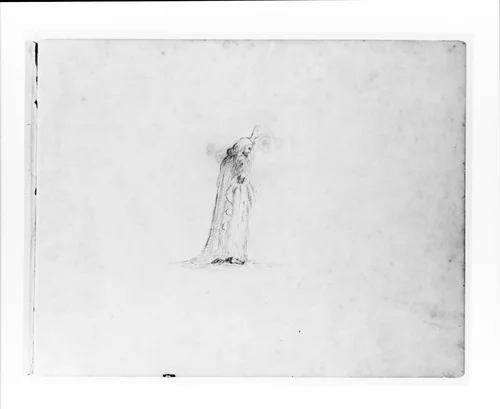
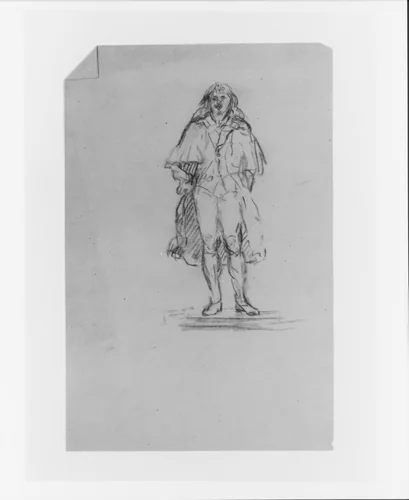
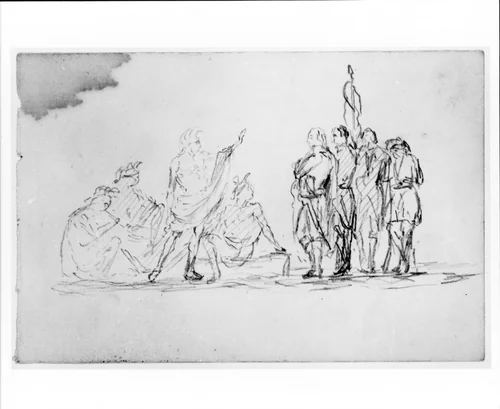
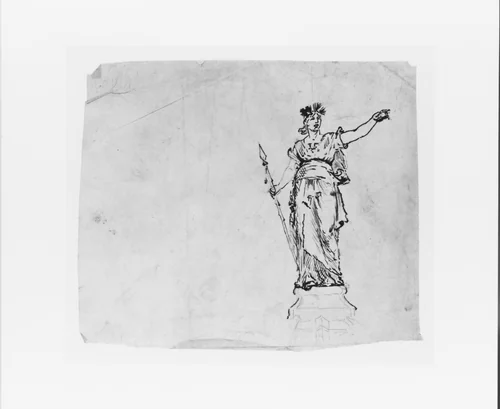
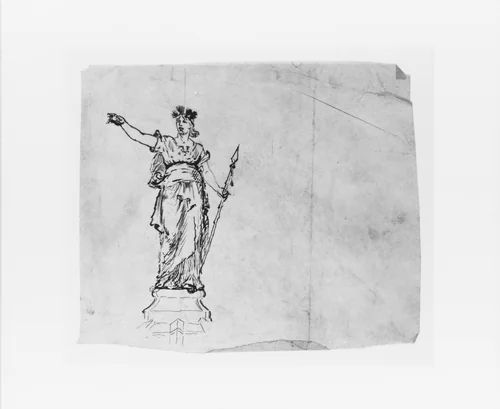
The rigor underlying his monumental output is often best understood through the surviving preparatory material housed in major institutions, including the Metropolitan Museum of Art and the National Gallery of Art. These early records, such as the numerous sketches designated from his active period, reveal a deep engagement with classical themes, evidenced in studies like Dying Warriors and Classical Female Figure; Satyr and Dog. It is compelling to note that the artist celebrated for defining massive, heroic bronze figures began his creative journey with such intimate, focused inquiries into classical forms on paper.
Ward was not merely a prolific creator but also a powerful institutional force, serving as a founding figure of the National Sculpture Society and an active member of the National Academy of Design. His dedication ensured that American sculpture achieved both national prominence and an enduring academic framework. The legacy of his pioneering naturalism continues to resonate, allowing contemporary audiences to appreciate the strength and clarity of his vision. Many of Ward’s most important works, now in the public domain, remain highly accessible and are frequently reproduced as John Quincy Adams Ward prints and high-quality prints for study and collection.
Source: Wikipedia · CC BY-SA 4.0