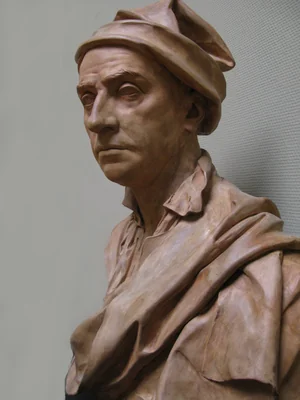
John Michael Rysbrack
Johannes Michel Rysbrack, known sometimes by his original name Jan Michiel Rijsbrack but primarily recognized as Michael Rysbrack, was an 18th-century Flemish sculptor who achieved preeminent status in England. Having spent the majority of his working life across the Channel, Rysbrack became the foremost exponent of large-scale commemorative sculpture and portraiture during the Georgian period, defining the aesthetic demands for public art in the first half of the century.
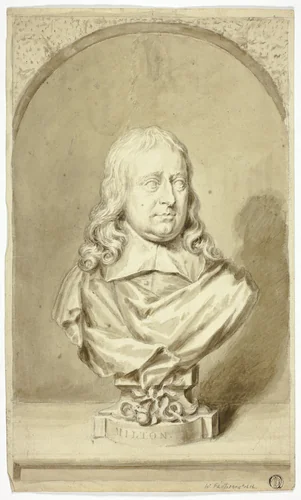
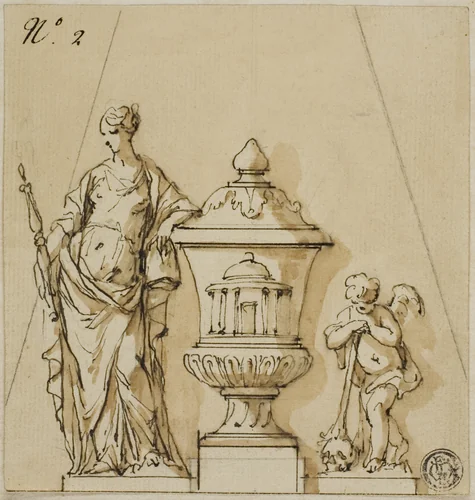
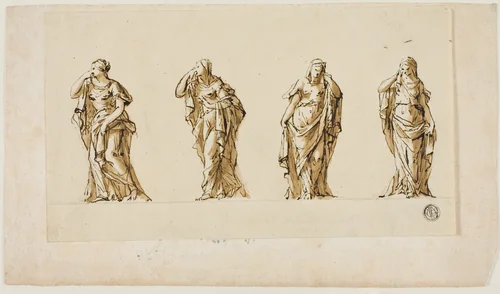
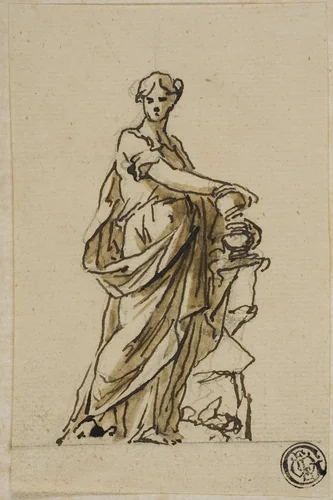
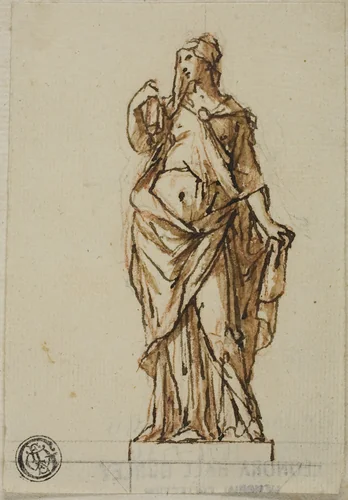
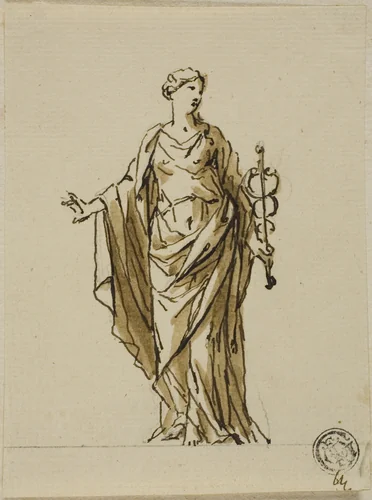
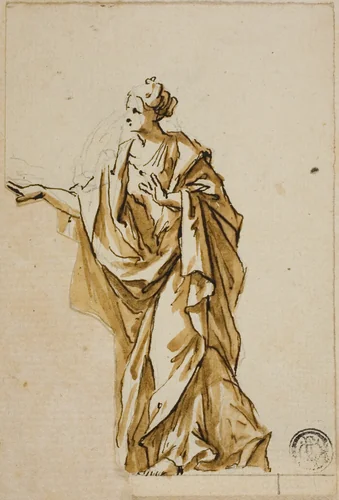
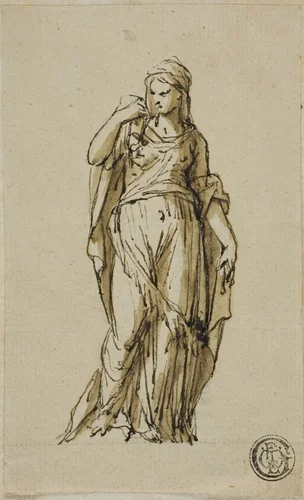
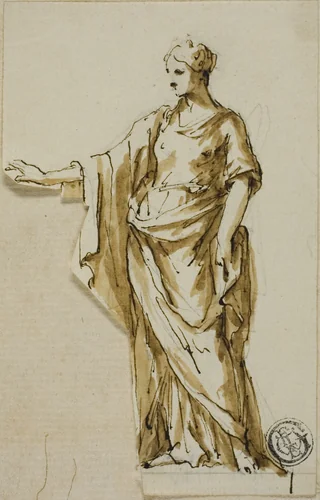
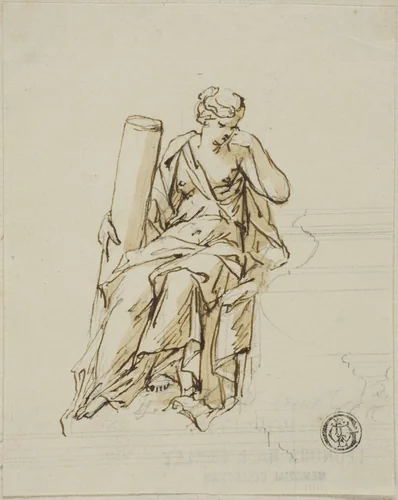
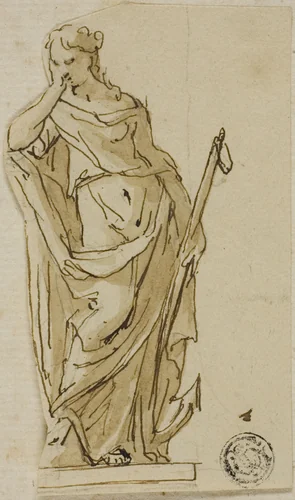
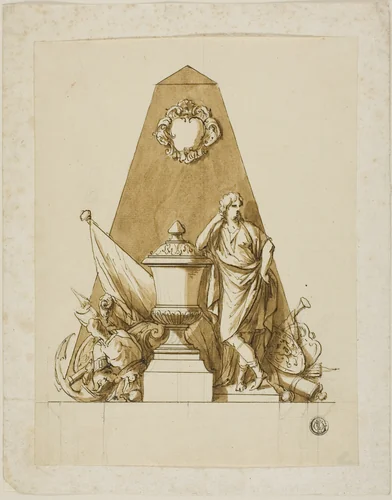
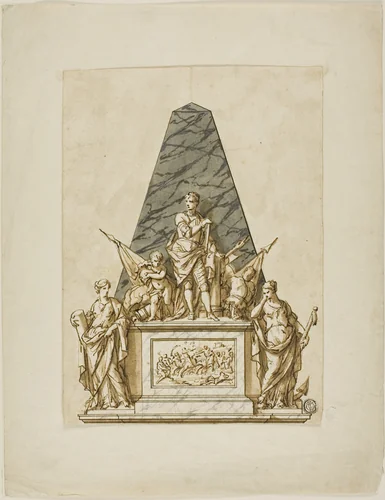
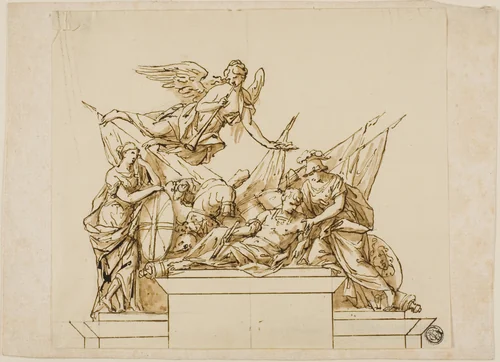
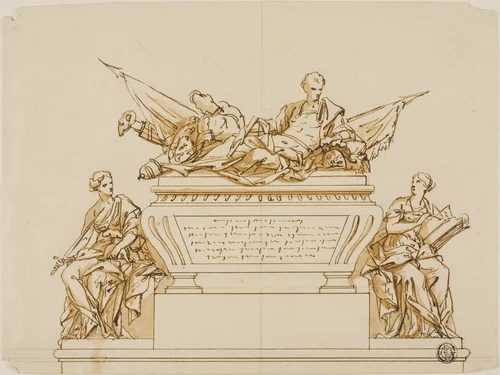
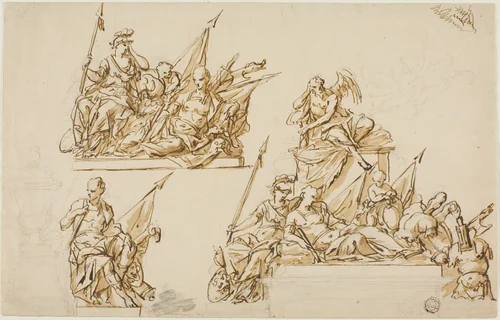
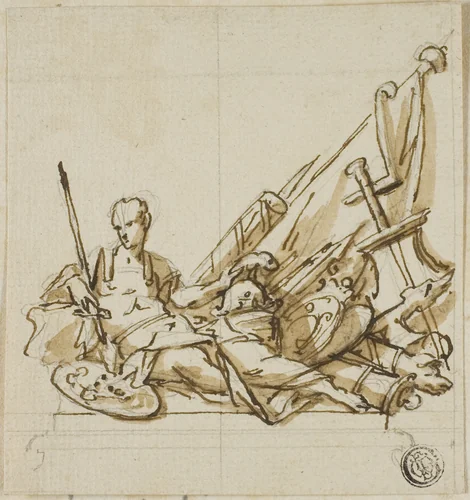
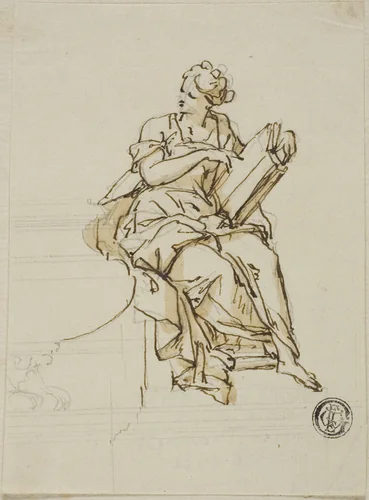
Rysbrack’s distinctive artistic approach lay in his successful synthesis of Continental dynamism and emerging neoclassical taste. He masterfully integrated the theatrical complexity and vigorous movement of the Flemish Baroque tradition with the dignified restraint and formal clarity of Classical antiquity. This fusion ensured his immediate and sustained success among British patrons who sought monumental works possessing both expressive power and architectural rigor. His output spanned from intricate preparatory drawings for funerary sculptures, such as the highly refined Design for a Funerary Monument with Fate, Urn, Putto and Design for a Funerary Monument: Four Draped Mourning Female Figures, to imposing portrait busts like the powerful Bust of Milton.
Beyond his individual achievements, Rysbrack maintained an active and influential workshop whose output significantly shaped the practice and methodology of sculpture in England. This environment trained succeeding generations of carvers and ensured his stylistic influence permeated the wider practice of public commissions long after his active career concluded. One might observe that Rysbrack possessed the rare commercial skill of being consistently indispensable; few high-status commissions of the 1720s and 1730s escaped his purview.
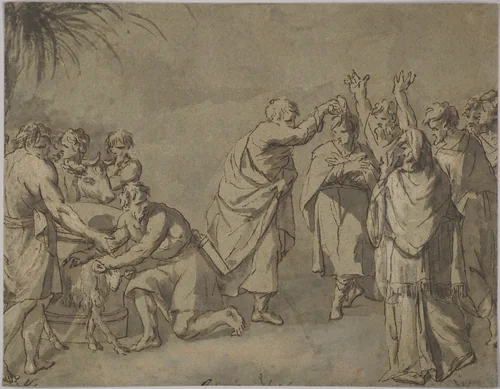
While recognized primarily for his three-dimensional achievements, the survival of fourteen known drawings and at least one painting provides valuable insight into the preparatory stages of his monumental work. These studies, often focused on allegorical figures like Fate with Urn or religious narratives such as The Return of Joseph, demonstrate the meticulous precision underlying his final execution. Today, collectors and scholars can access many original studies and John Michael Rysbrack prints, particularly when these works have entered the public domain, making high-quality prints widely available as downloadable artwork for academic and private use. His works are preserved in major institutions globally, including the Metropolitan Museum of Art and the Art Institute of Chicago.
Source: Wikipedia · CC BY-SA 4.0