John James Audubon
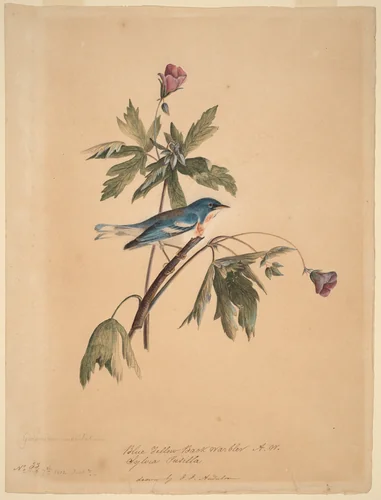
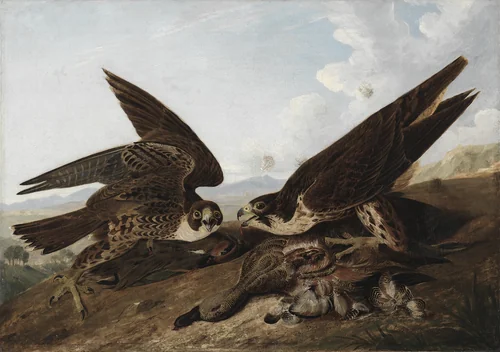
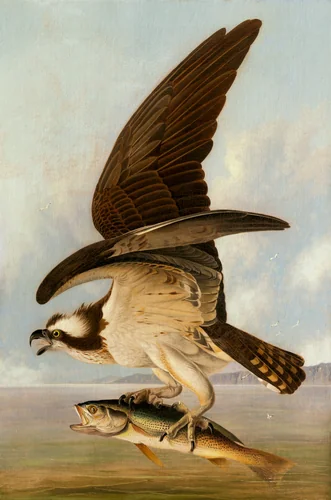
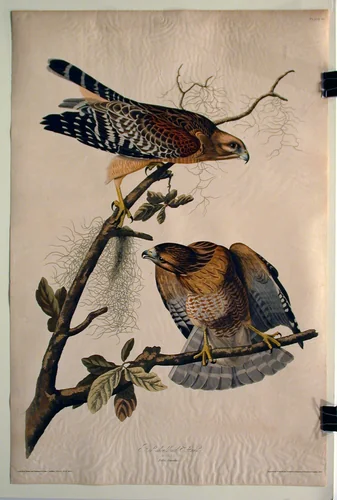
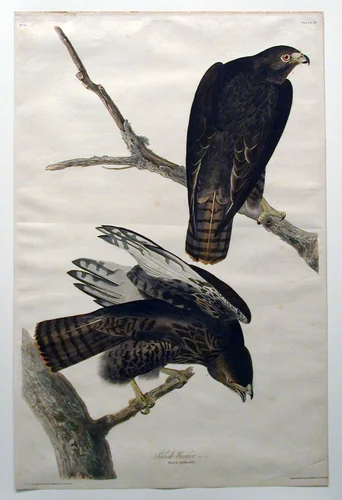
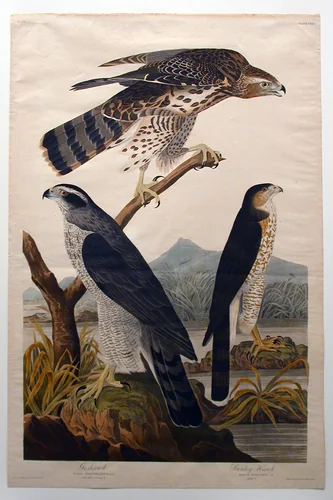
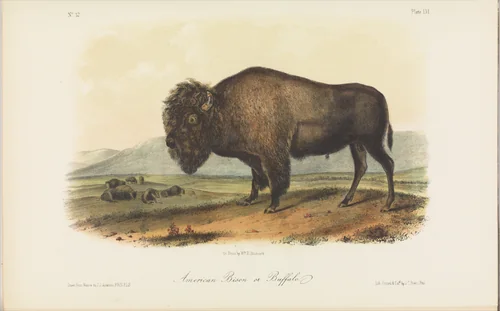
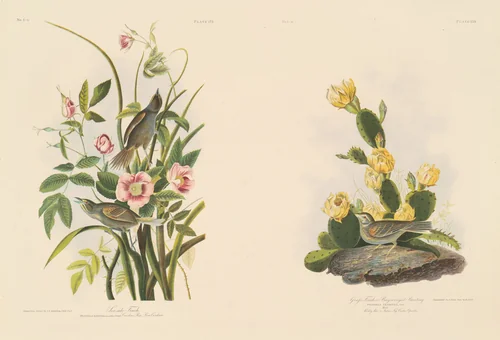
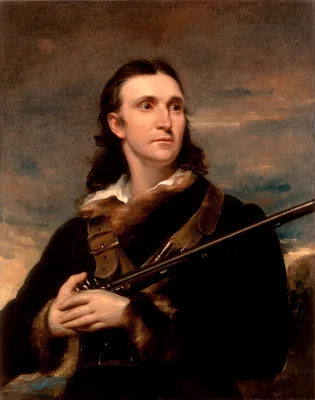
John James Audubon (1785–1851) was a French-American self-trained artist, naturalist, and ornithologist whose monumental ambition fused the realms of scientific documentation and visual artistry. Driven by the singular goal of creating a complete pictorial record of every bird species in North America, Audubon embarked on an extensive, decades-long project that redefined the standard for nature illustration. His innovative approach depicted avian subjects not as static anatomical specimens, but in dynamic, detailed compositions that captured their character within their natural habitats, as seen in complex studies like Peregrine Falcons (Duck Hawks) and the delicate rendering of the Blue Yellow Back Warbler.
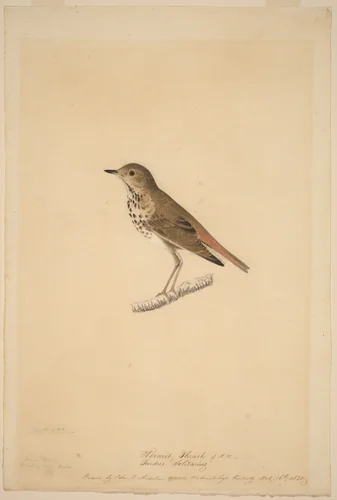
His masterpiece, the color-plate book The Birds of America (1827–1839), stands as one of the finest ornithological achievements ever completed. The inherent difficulty of capturing life-size plates of species ranging from tiny warblers to massive birds of prey demanded an obsessive dedication that few naturalist-artists have ever matched. Today, due to the historical significance and graphic quality of these plates, many John James Audubon prints and drawings, including Hermit Thrush, are available as high-quality prints for study and display.
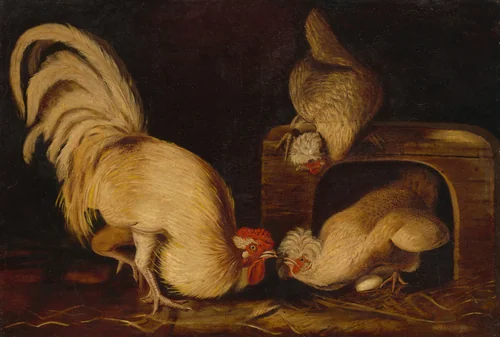
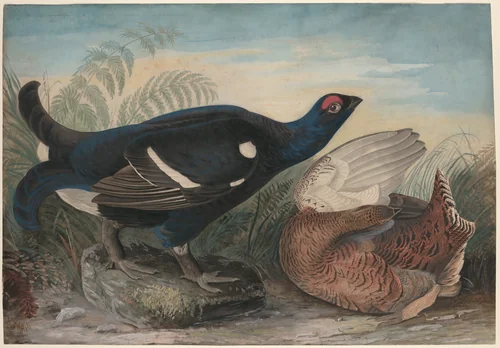
Audubon's contributions extended beyond illustration; he identified 25 new species and established dozens of scientific names still in active use. His enduring institutional legacy includes the National Audubon Society, the eponymous organization dedicated to conservation. Works encompassing his diverse output, from drawings to early John James Audubon paintings such as Farmyard Fowls and English Black Cocks, are housed in major institutions globally, including the Metropolitan Museum of Art, the National Gallery of Art, and the Cleveland Museum of Art, ensuring continued access to these museum-quality reproductions.
The historical record, however, acknowledges a more complex figure. While celebrated for his artistry and science, Audubon has been subject to criticism regarding allegations of academic fraud, plagiarism, and scientific misconduct during his lifetime. More recently, scholarship has critically examined his involvement in slavery and his racist writings, positioning him as a figure whose immense artistic and scientific contributions must be assessed alongside the problematic social attitudes of his era.
Source: Wikipedia · CC BY-SA 4.0