John Hull
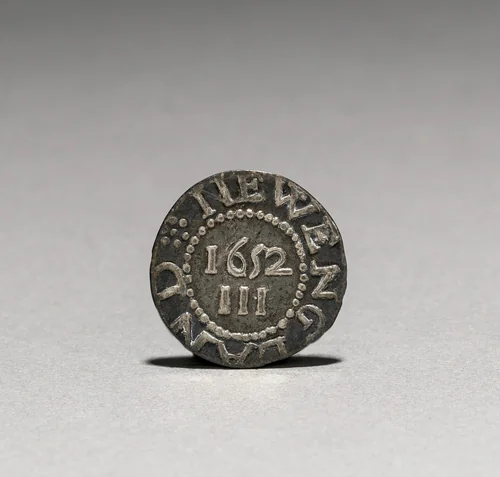
John Hull was a metalworker and artisan documented as active between 1652 and 1662. His known output centers on specialized metalworks, specifically designs related to early currency or coinage. Hull’s ten-year period of documented activity is established through surviving examples held in major institutional collections.
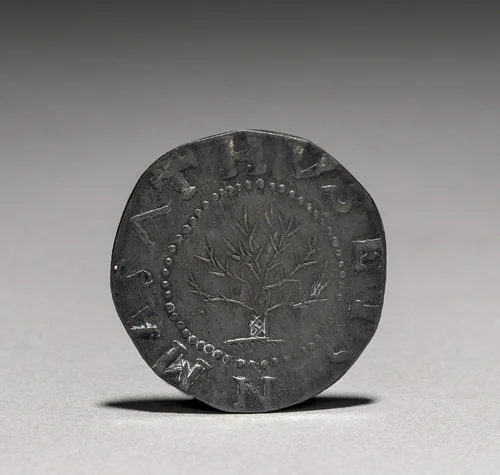
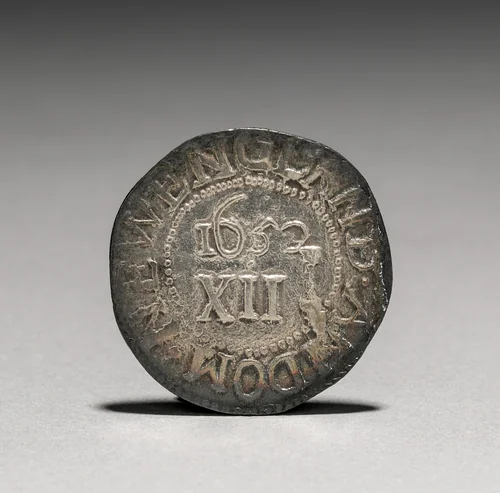
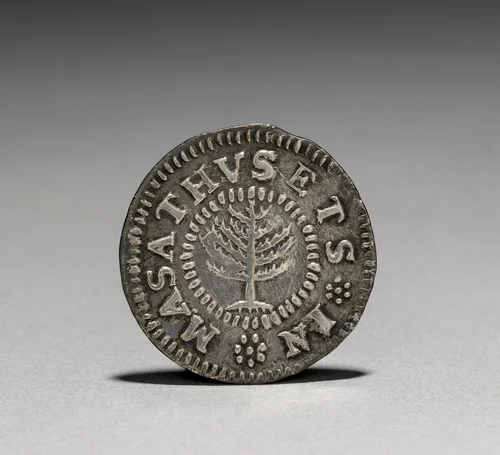
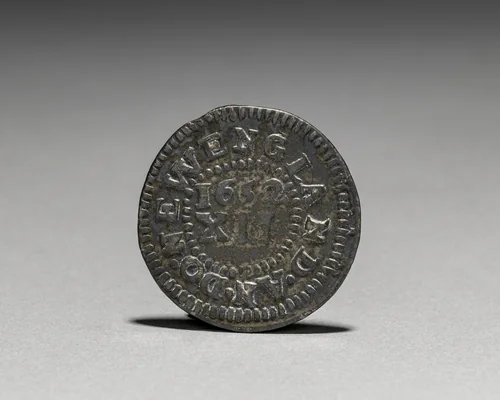
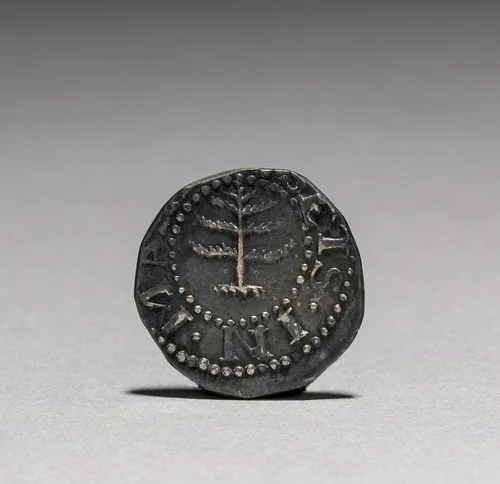
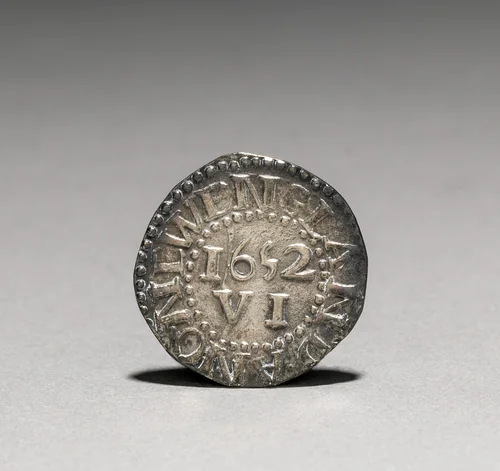
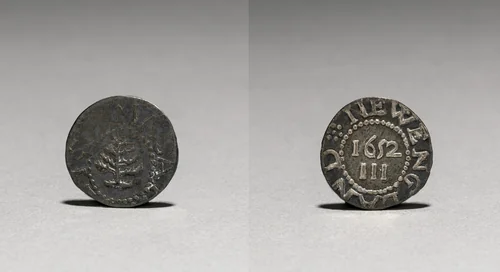
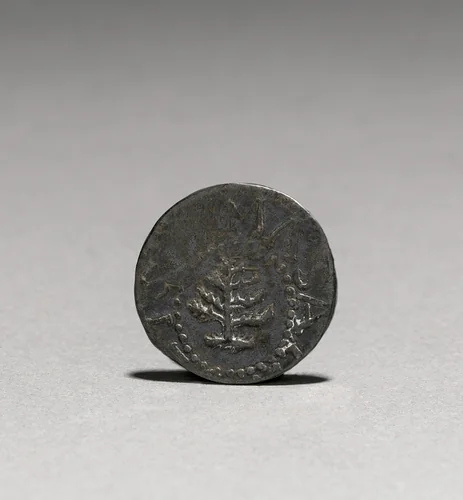
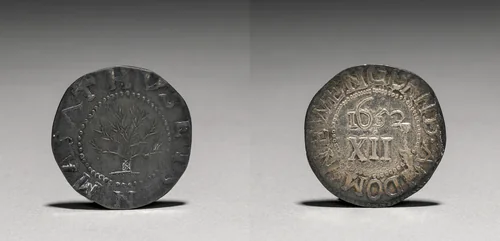
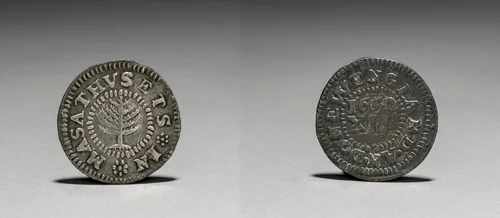
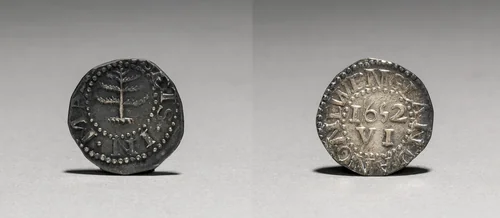
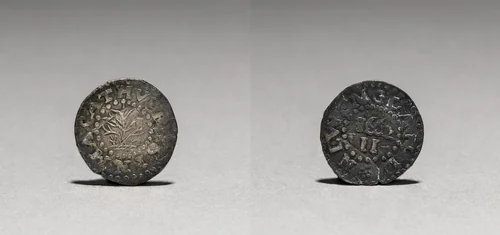
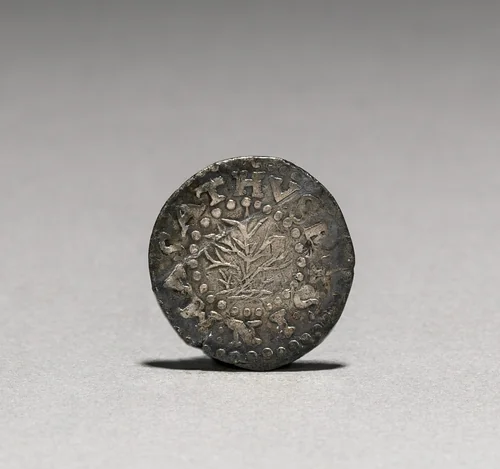
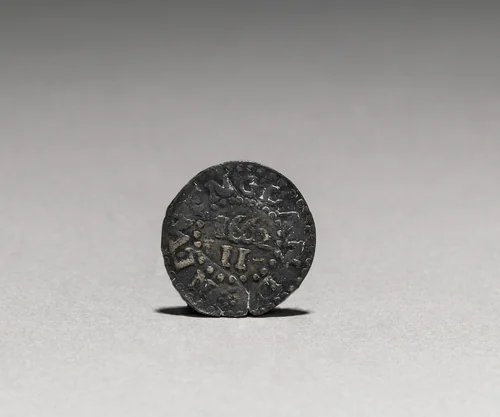
Fifteen of John Hull’s metalworks are represented in museum collections, confirming his technical precision as an engraver and designer. These works are preserved by institutions including the Cleveland Museum of Art, providing museum-quality examples of his production. The database representation of his known works includes both the obverse and reverse dies for the Oak Tree Shilling and the Pine Tree Shilling. His contributions also include design components for the Pine Tree Sixpence (obverse).
The documentation of these historical metalworks provides insight into seventeenth-century design standards. Today, many historical artifacts from this era are considered to be in the public domain. Digital files of surviving examples often become downloadable artwork, ensuring that high-quality prints of Hull’s designs remain accessible for study and exhibition.