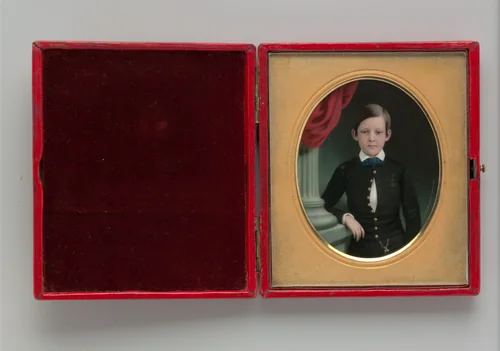
John Henry Brown
John Henry Brown (1821-1895) holds a distinctive, if often complex, place within the history of nineteenth-century American culture. Active primarily as a portraitist between 1842 and 1854, his artistic legacy is rooted in the insightful depictions he produced during his formative years, before he ascended to widespread prominence as a journalist, military leader, author, and politician. His surviving works, housed in major institutions like the Metropolitan Museum of Art, position him within the cannon of refined American academic painting, reflecting the social and familial milieu of the expanding Republic.
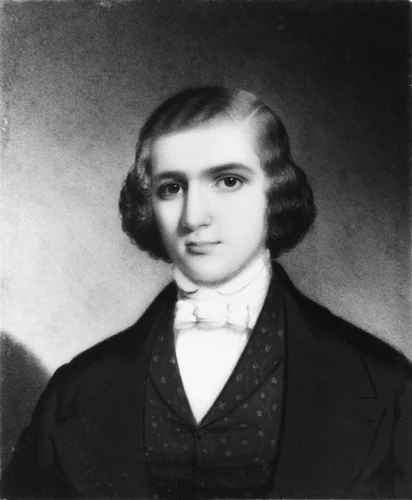
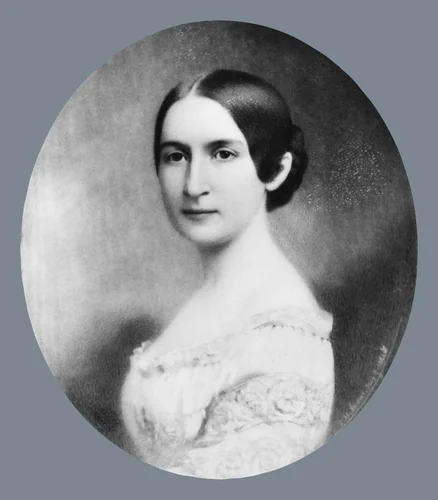
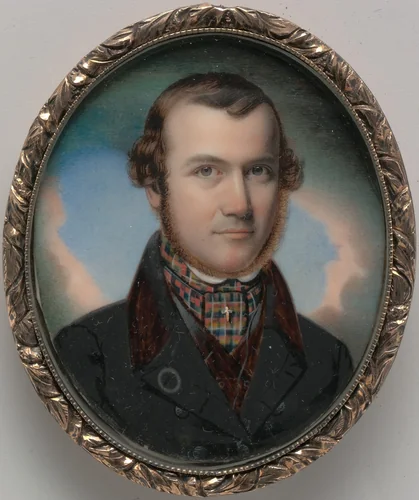
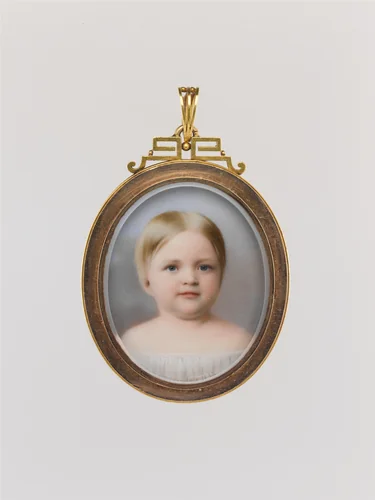
Brown’s artistic catalog is focused and formal, concentrating almost exclusively on capturing the distinct psychological demeanor of his subjects. Pieces such as Portrait of a Gentleman, the intimate study of Adaline Peters Brown, and his revealing Self-Portrait showcase a disciplined technique. These John Henry Brown paintings demonstrate a clear capacity for balanced composition and effective handling of light, providing valuable visual records of the personalities who shaped the turbulent mid-nineteenth century. Today, these originals are sought after not only for their inherent artistic merit but for their historical context and museum-quality preservation.
It is genuinely arresting to consider the breadth of Brown’s dedication to historical documentation, which he pursued through both visual art and extensive scholarship. The hand that crafted the delicate features of Ada Brown and the strong contours of Portrait of a Young Man later authored some of the first comprehensive, scholarly histories of the state of Texas and the city of Dallas. This dual commitment to recording reality defines his broader historical contribution.
Brown ultimately dedicated the majority of his life to public service, serving as a state legislator and later as mayor for both Galveston (1856) and Dallas (1885–1887). His pivot from the canvas to the capital reflects the demands placed upon the talented citizens of the burgeoning Southwest. While few original works remain outside of major collections, the availability of high-quality prints has allowed for wider appreciation of his early artistic sensibility, cementing Brown’s unique position at the intersection of American art, politics, and historical record.