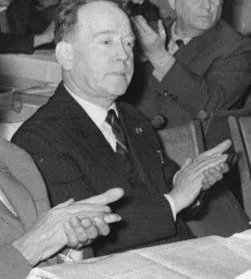
John Heartfield
John Heartfield (1891-1968) stands as one of the pivotal figures in twentieth-century graphic design, best known for pioneering the integration of art into political warfare. Active primarily between 1922 and 1928, the German visual artist fundamentally redefined the role of the image, transforming the seemingly passive format of the photograph into a powerful instrument of dissent. His work is held in major international collections, including the Museum of Modern Art, reflecting the enduring significance of his commitment to political expression.
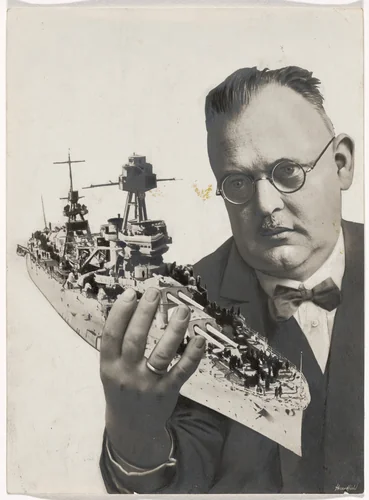
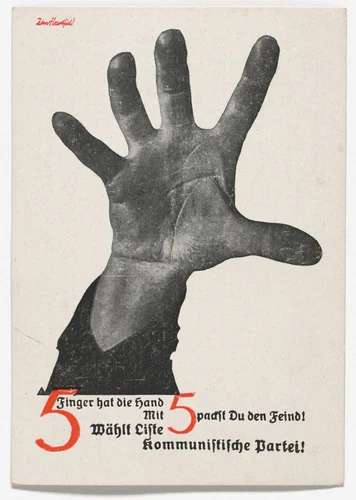
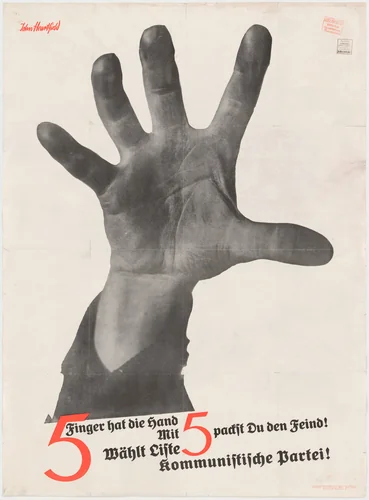
Heartfield’s central innovation was the perfection of the photomontage technique. By meticulously cutting, manipulating, and reassembling disparate photographic fragments, he created startling, often satirical, compositions that served as explicitly anti-Nazi and anti-fascist statements. These works moved beyond simple political illustration, utilizing sharp wit and visual metaphor to criticize rising totalitarianism in Germany, establishing art as a potent political weapon that directly engaged the public sphere.
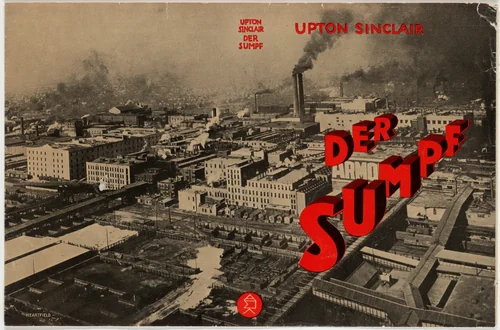
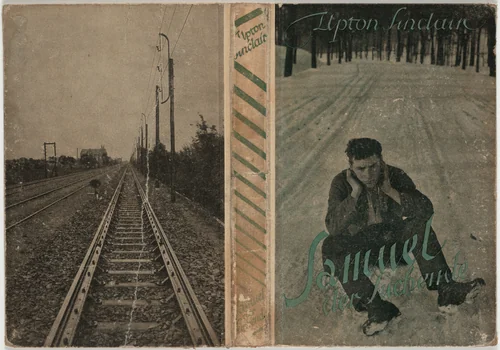
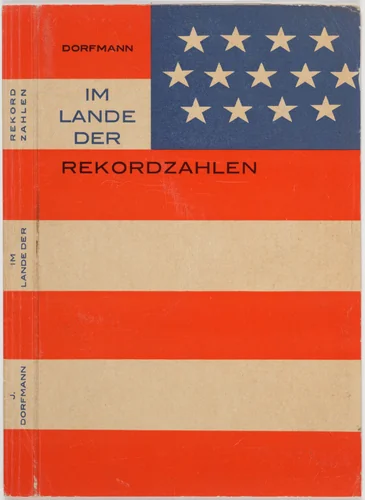
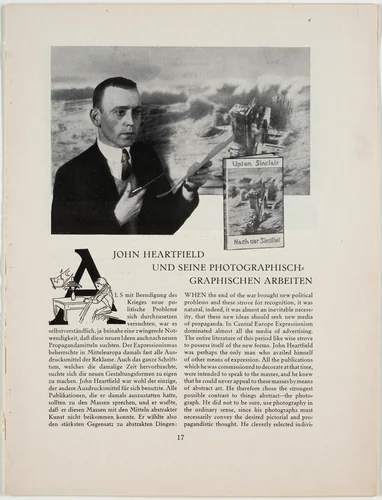
Beyond his overtly political posters, Heartfield maintained a prolific output in commercial and theatrical design. He crafted highly distinctive and immediately recognizable book jackets for contemporary authors, notably designing covers for works by Upton Sinclair, such as Der Sumpf and Samuel, der Suchende. His designs extended into collaborations with leading avant-garde playwrights of the era, including Bertolt Brecht and Erwin Piscator, for whom he created innovative stage sets. This multi-faceted practice underscores his belief that art must permeate all aspects of daily life, from the museum wall to the mass-produced book.
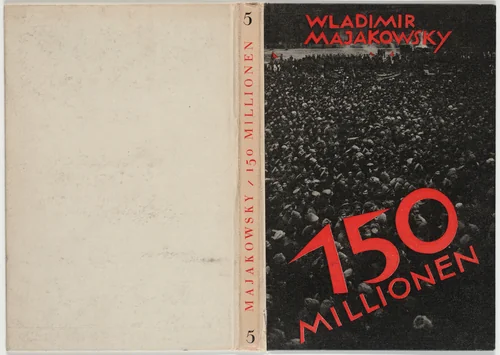
The catalogue of his surviving work reveals the breadth of his commitment to modernist literature, encompassing covers for foundational texts like Wladimir Majakowsky's 150 Million. His legacy is not merely artistic but historical; he demonstrated how high-quality prints, distributed widely, could mobilize public opinion against entrenched power structures. Today, the foundational techniques of montage are standard visual tools, but Heartfield was among the first to wield them with such strategic precision. Works by Heartfield, particularly his influential photomontages featured in "John Heartfield und seine photographisch graphischen Arbeiten," remain powerful examples of politically engaged modernism and are increasingly accessible as downloadable artwork through various institutional sources.
Source: Wikipedia · CC BY-SA 4.0