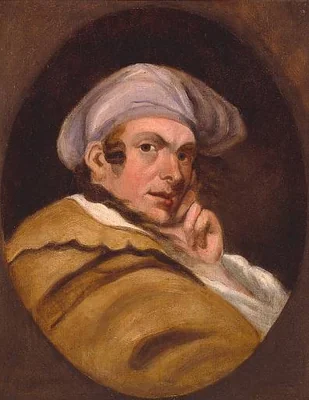
John Hamilton Mortimer
John Hamilton Mortimer (active c. 1600-1770) stands as a compelling figure in eighteenth-century British art, primarily recognized for his contributions as a figure and landscape painter and an influential printmaker. Operating at the intersection of classical tradition and the emerging Romantic sensibility, Mortimer’s output established a distinctly dramatic and moody aesthetic that prefigured later Gothic and sublime preoccupations.
While known earlier in his career for engaging, romanticized conversation pieces and landscapes set often in idealized Italian locales, the works created in the 1770s saw Mortimer shift toward overtly powerful and sometimes unsettling themes. These later compositions, particularly those depicting war scenes and moments of high dramatic tension, drew explicit comparison to the turbulent, expressive style of the Italian Baroque master Salvator Rosa. This commitment to the terribilità is evident in drawings such as the intense, densely worked The Damned in Hell and the historically charged Mucius Scaevola [recto].
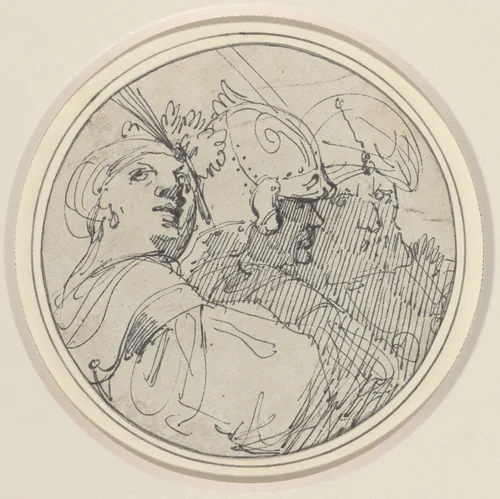
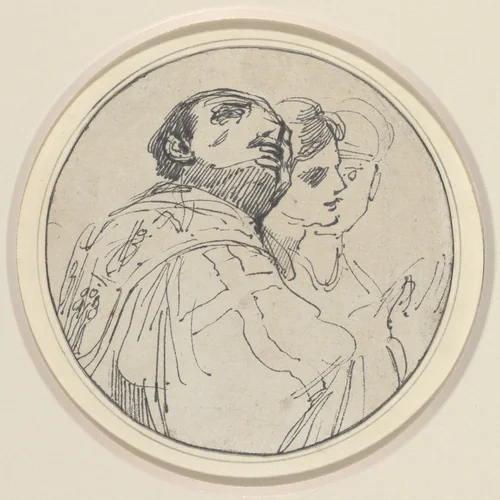
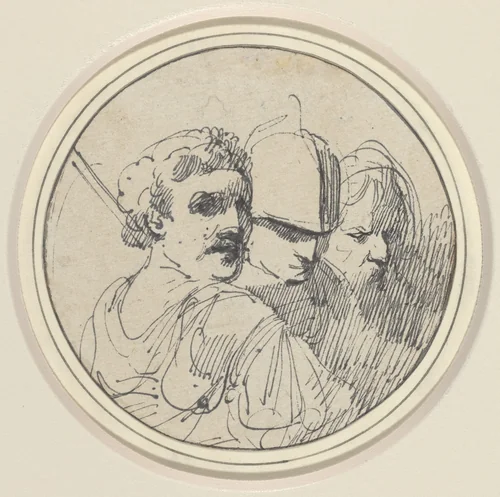
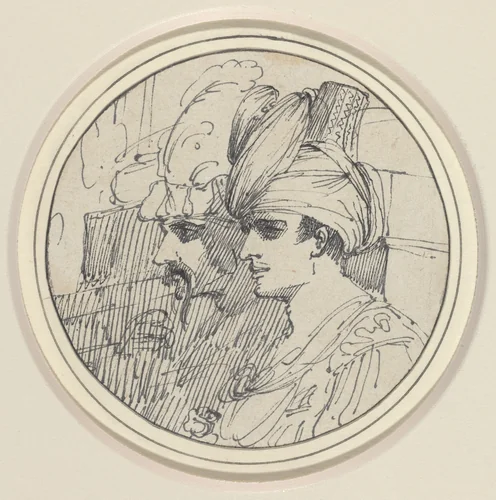
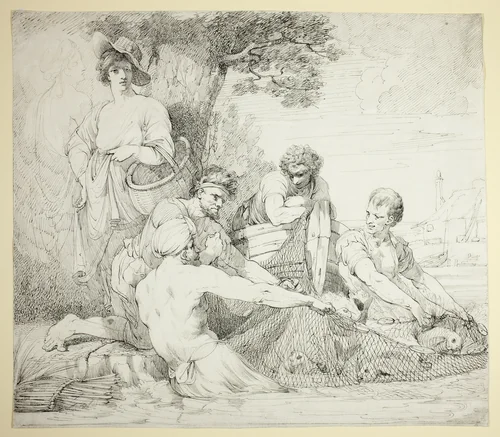
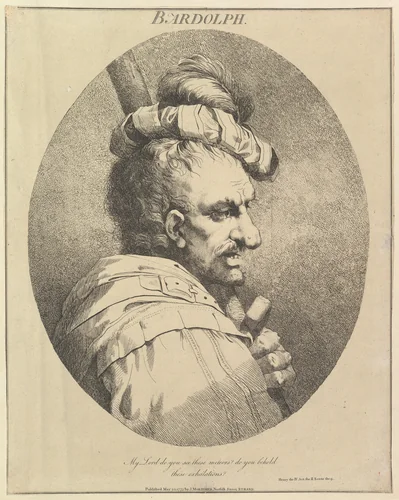
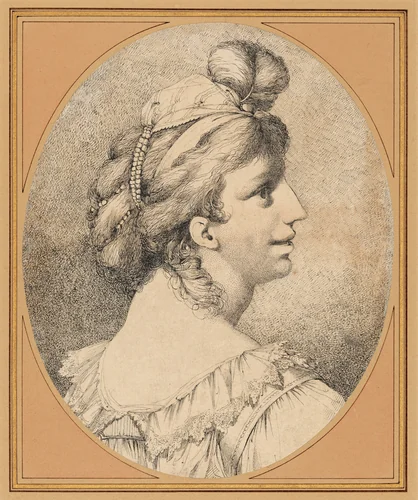
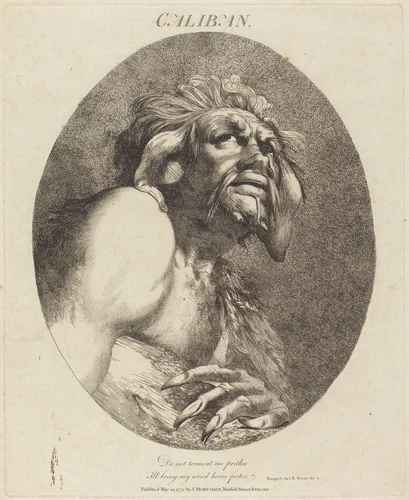
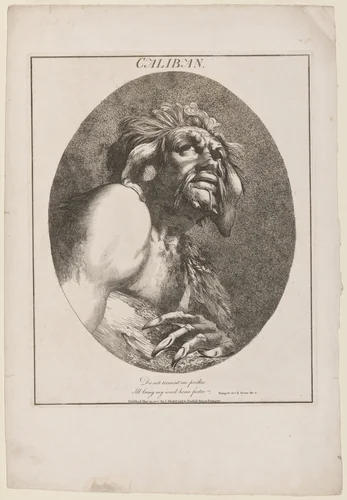
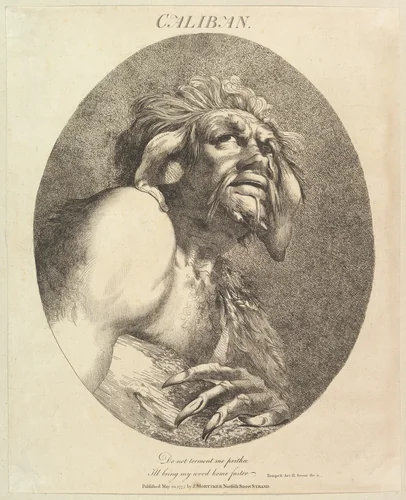
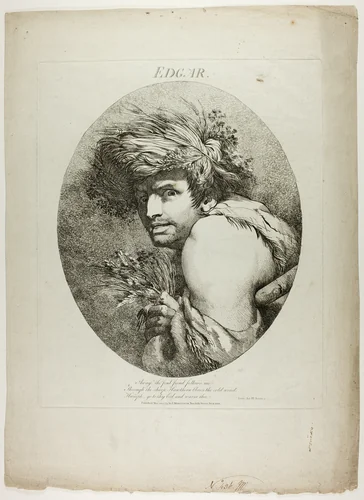
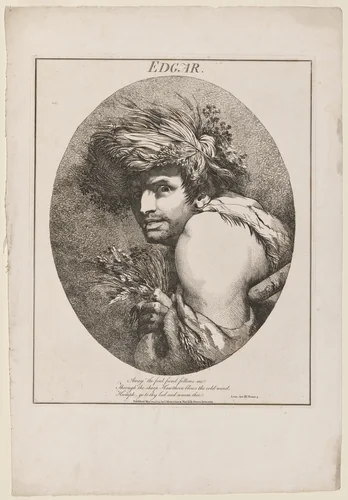
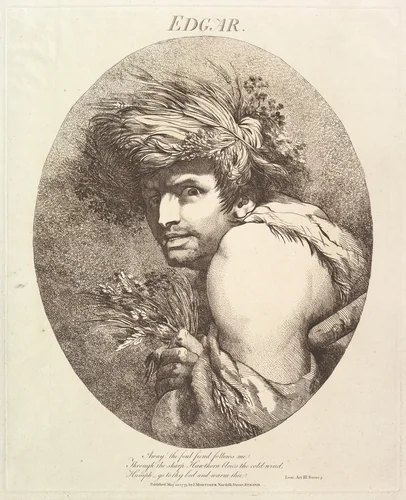
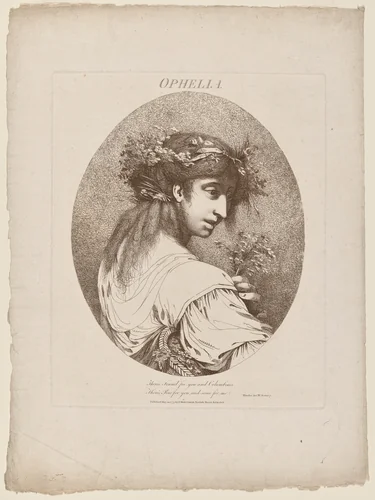
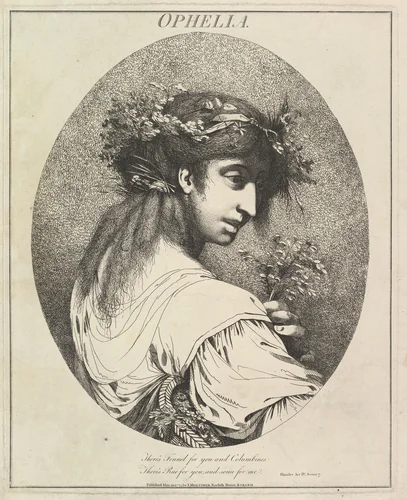
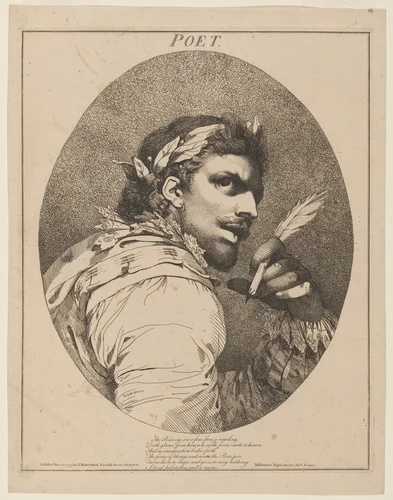
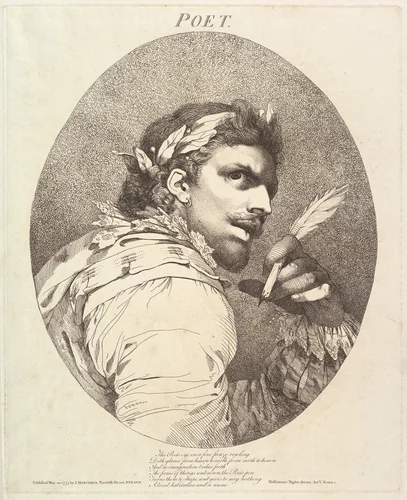
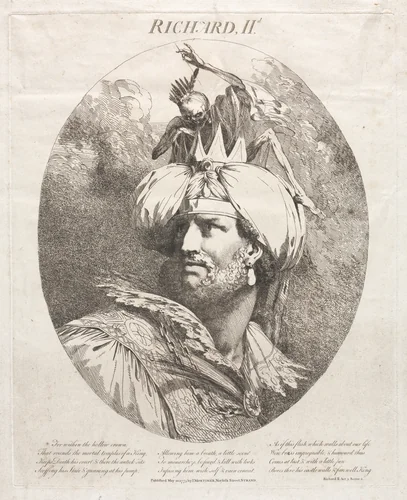
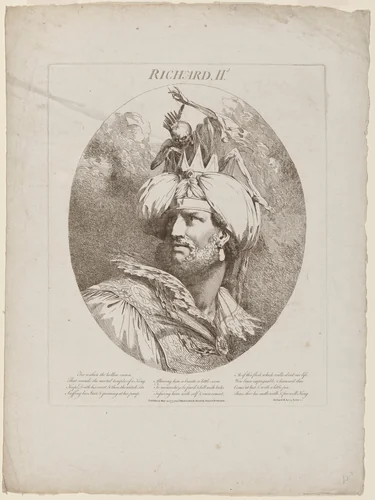
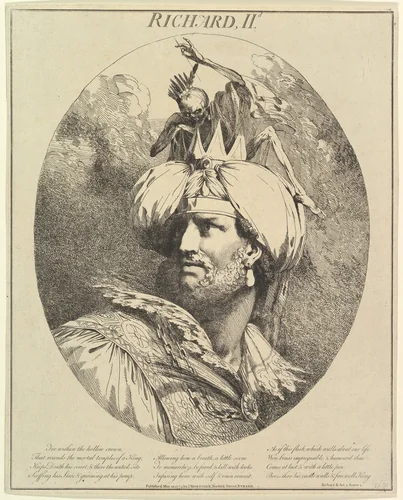
Mortimer excelled in graphic media, utilizing etching and drawing to explore his penchant for the macabre and the heroic. His impressive body of graphic work, including numerous preparatory drawings, underscores his rigorous academic training and skill in anatomical draftsmanship. He possessed a peculiar flair for depicting the classical grotesque, marrying technical precision with figures consumed by despair, sin, or violence, as seen vividly in the provocative rendering of Pope Embraced by Devil.
The impact of Mortimer’s dramatic print work was immediate and lasting, securing his reputation and ensuring the wide dissemination of his style across Europe. His prints, along with numerous preparatory drawings, are key holdings in major international institutions, including the National Gallery of Art and the Metropolitan Museum of Art. Today, the study of the eighteenth-century British Sublime relies significantly upon his output. Much of this material is now preserved in the public domain and is widely accessible to researchers seeking high-quality prints for academic purposes, cementing Mortimer’s role not just as a painter, but as a critical exponent of the expressive potential of line and shadow.
Source: Wikipedia · CC BY-SA 4.0