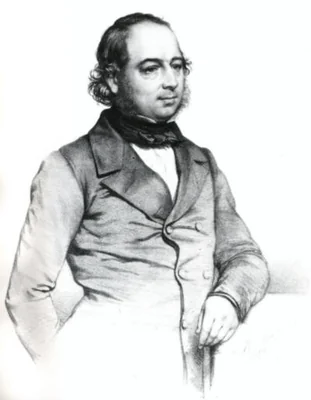
John Gould
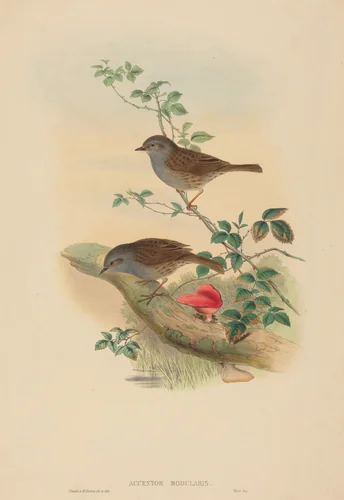
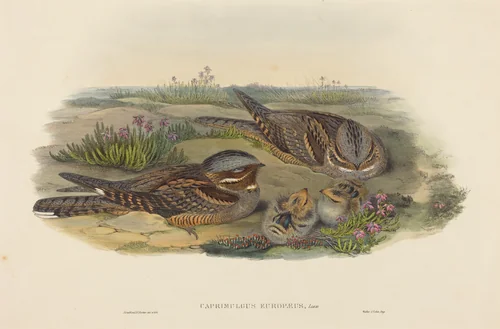
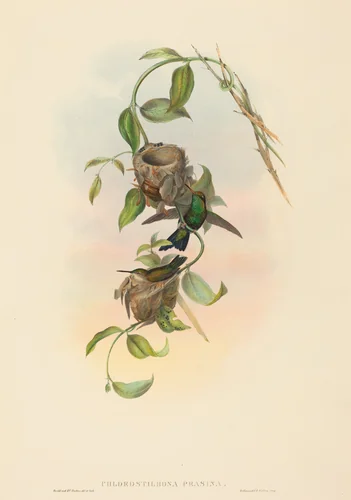
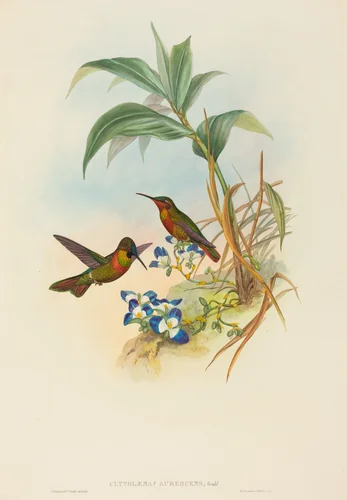
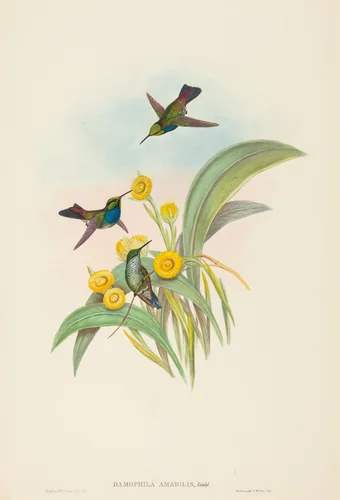
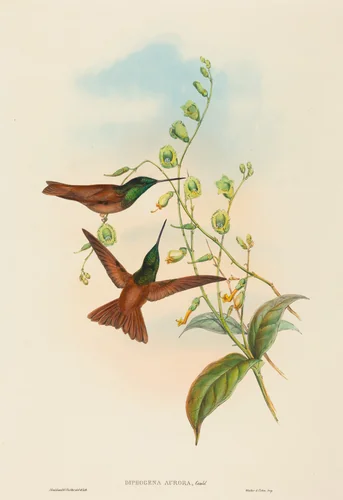
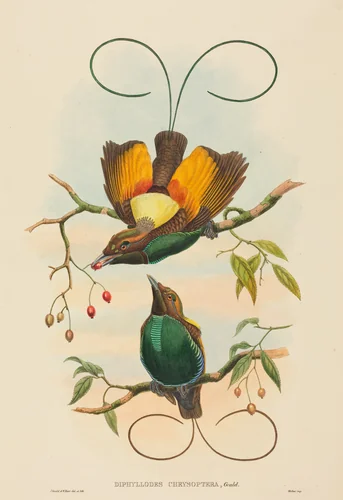
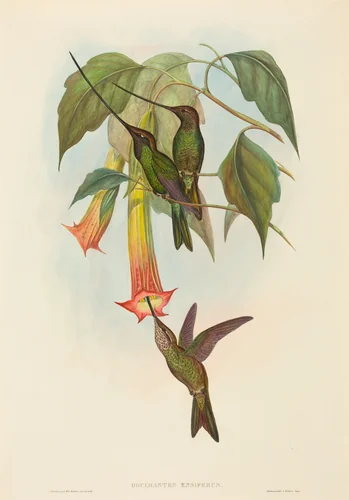
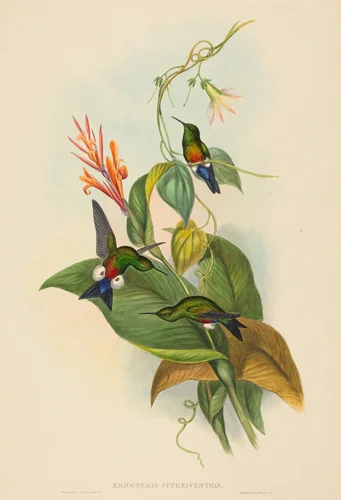
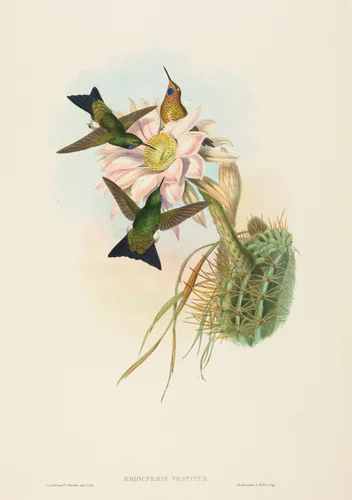
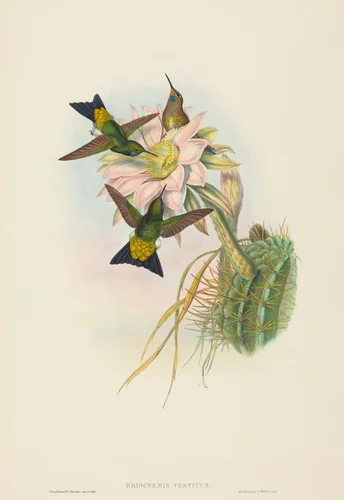
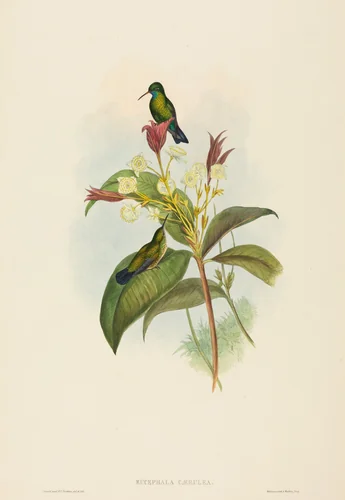
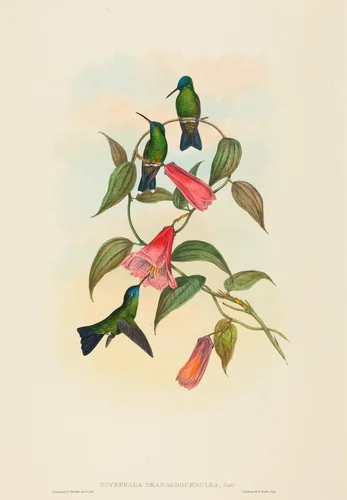
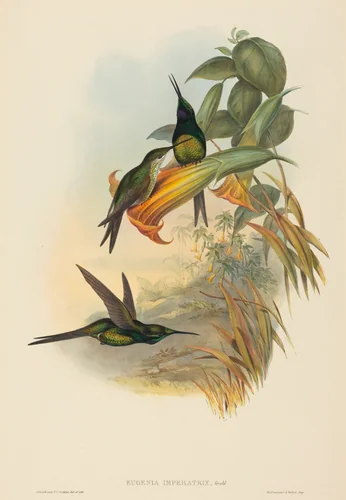
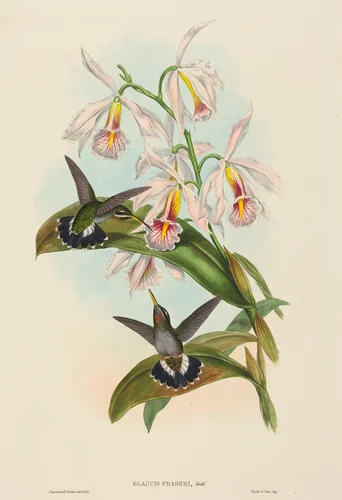
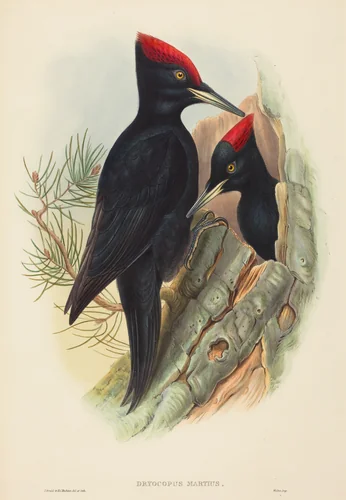
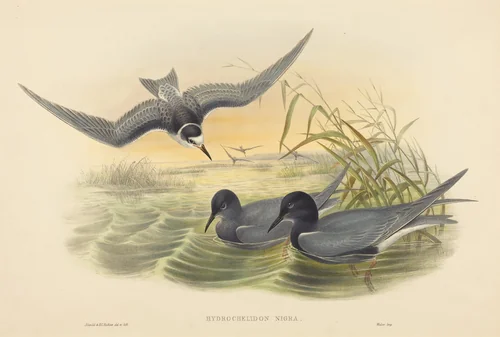
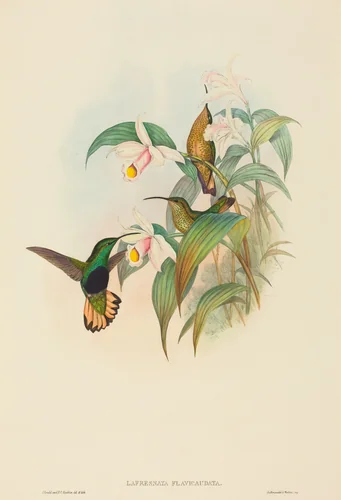
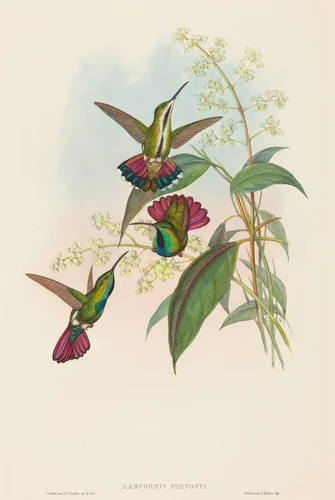
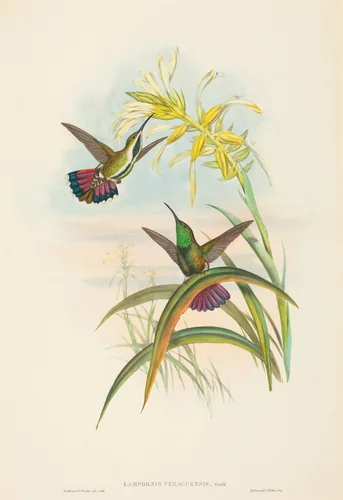
John Gould (1804–1881) secured his position in scientific history not solely through discovery, but through the sheer scale and visual splendor of his published monographs. The preeminent English ornithologist and scientific publisher of the 19th century, Gould oversaw the production of monumental folio volumes that meticulously documented birds from across the globe. These works relied on a highly collaborative artistic system: the descriptive plates were often realized by his wife, Elizabeth Gould, and later, by renowned natural history illustrators including Edward Lear, Henry Constantine Richter, and Joseph Wolf. These stunning, hand-colored lithographic John Gould prints transformed scientific documentation into museum-quality art objects, solidifying the visual standard for natural history illustration in the Victorian era.
Gould’s organizational acumen and scientific drive culminated in the seven-volume landmark series, The Birds of Australia (1840-1848). This work proved so foundational that he is recognized today as the father of Australian bird study, and the Gould League, established to promote environmental education, is named in his honor. Perhaps less known than his monumental Australian output, but equally crucial, was his early work on specimens collected during the voyage of HMS Beagle. His precise identification of the variations among the Galapagos finches, now known universally as “Darwin’s finches,” proved indispensable to Charles Darwin. Gould’s detailed observations were directly referenced in On the Origin of Species, demonstrating that the visual fidelity of his high-quality prints had immediate and profound theoretical consequences for natural science.
While Gould rarely executed the final drawing himself, he functioned as the essential artistic director, the impresario responsible for financing, commissioning, and ensuring the scientific accuracy of hundreds of plates. The continuing appeal of these natural history studies is evidenced by their sustained presence in major collections, including the National Gallery of Art. Because of their age and significance, many of these detailed ornithological images are now widely available in the public domain, allowing scholars and enthusiasts alike access to royalty-free downloadable artwork, ensuring that the legacy of John Gould’s visual monographs endures far beyond the confines of the 19th-century scientific library.
Source: Wikipedia · CC BY-SA 4.0