John Frederick Lewis
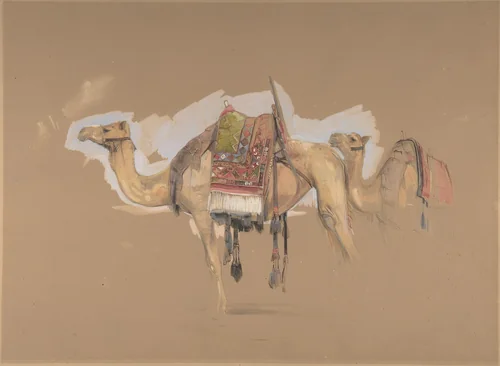
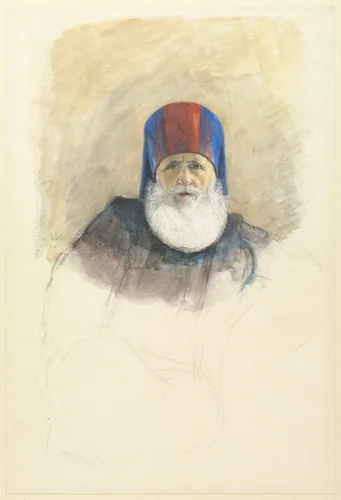
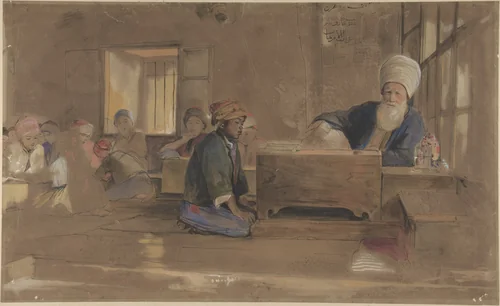
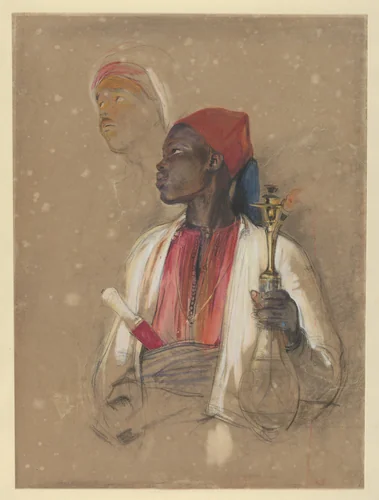
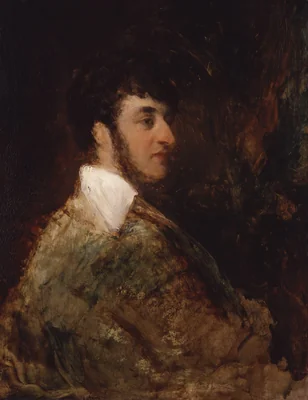
John Frederick Lewis (1804–1876) stands as a pivotal figure among English Orientalist painters of the Victorian era, renowned for his extraordinary technical precision and the ethnographic detail he brought to his Mediterranean and Middle Eastern subjects. Lewis established an unusual artistic methodology early in his career, often repeating a successful composition in both highly detailed watercolor and oil paint, leveraging the strengths of each medium to explore luminosity and texture.
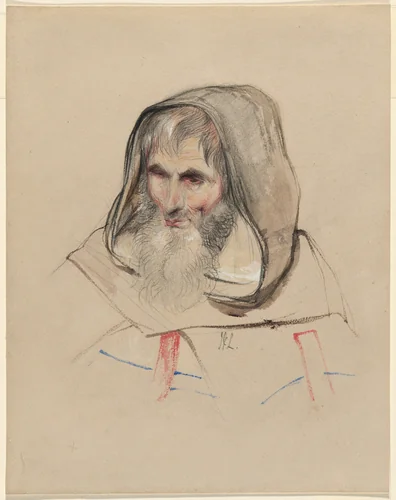
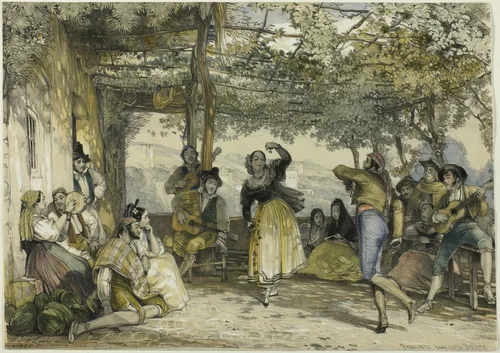
His career underwent a profound transformation marked by extensive travel, shifting from early focus on Spanish and Italian subjects, evident in works such as Head of a Spanish Monk and Spanish Peasants Dancing the Bolero. Lewis’s pivotal decade was spent living in Cairo, beginning around 1841. He took up residence in a traditional mansion, immersing himself entirely in local culture. This self-imposed separation from European expatriate life allowed him to develop a specialized body of work focused keenly on the visual authenticity of Middle Eastern life.
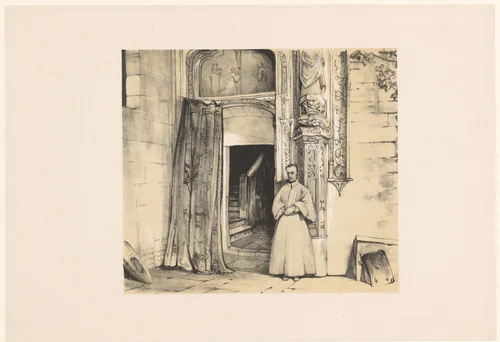
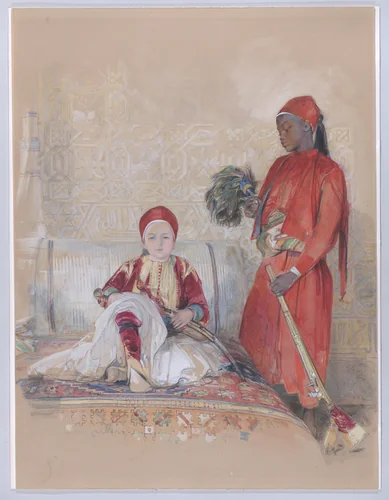
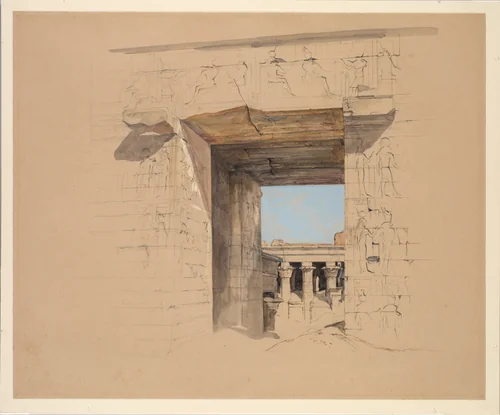
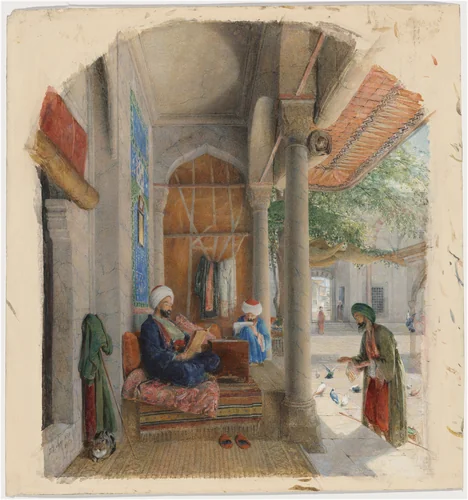
Upon his return to England in 1851, Lewis capitalized on his meticulous studies, producing his most celebrated series of highly finished compositions. These works fall into two key categories: vibrant, realistic genre scenes capturing daily street interactions, and meticulously rendered interiors of upper-class Egyptian homes. It is perhaps the sheer absence of apparent Western stylistic influence within these sun-drenched domestic spaces that grants his later John Frederick Lewis paintings their compelling air of exclusivity and preserved exoticism. His compositions, such as the architectural study Deur van het Convento de San Juan de los Reyes te Toledo, showcase his mastery of line, but his later depictions of Cairene daily life cemented his fame.
Lewis’s command of intricate detail and his groundbreaking approach to lighting greatly influenced subsequent generations of Orientalist artists. Today, his work is held in major international collections, including the Art Institute of Chicago and the National Gallery of Art. Due to the chronology of his output, many of the artist’s seminal works, including high-quality prints of his watercolors and various John Frederick Lewis prints, are now available as downloadable artwork in the public domain, ensuring global access to his remarkable visual record of the nineteenth-century Middle East.
Source: Wikipedia · CC BY-SA 4.0