John Fisk
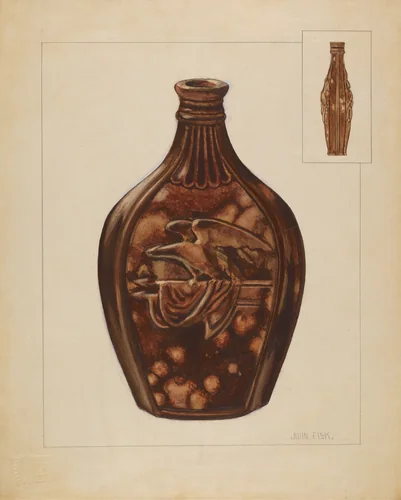
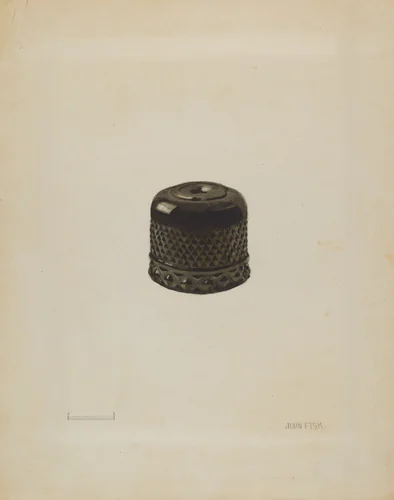
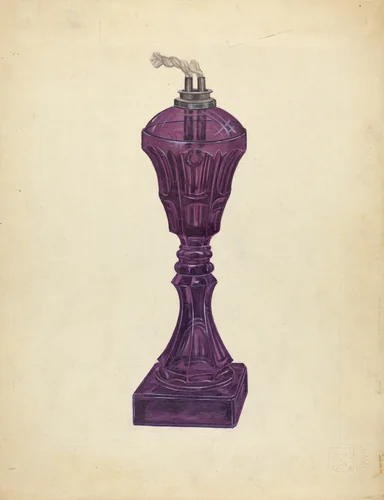
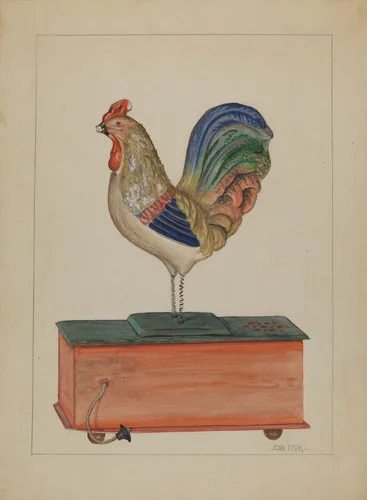
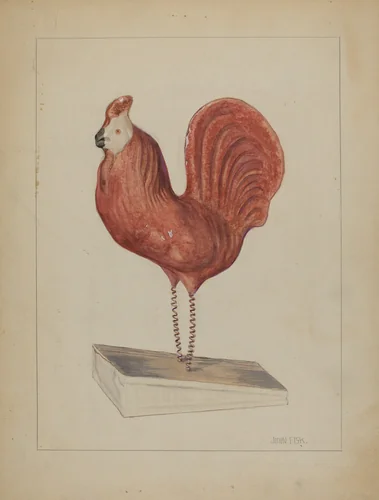
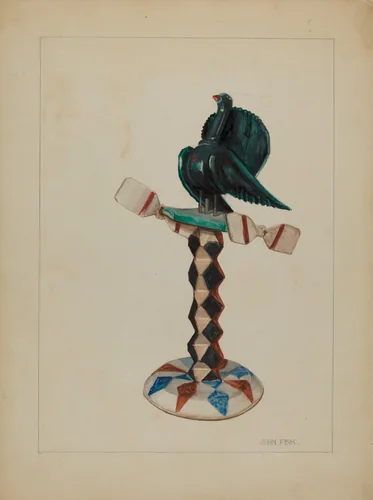
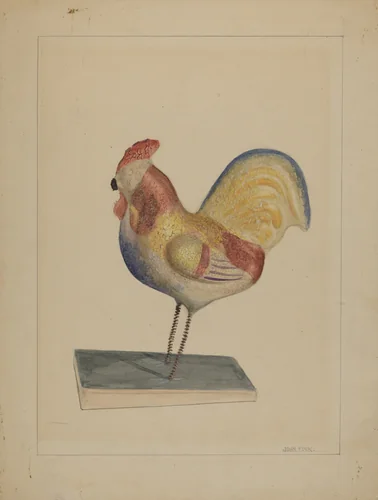
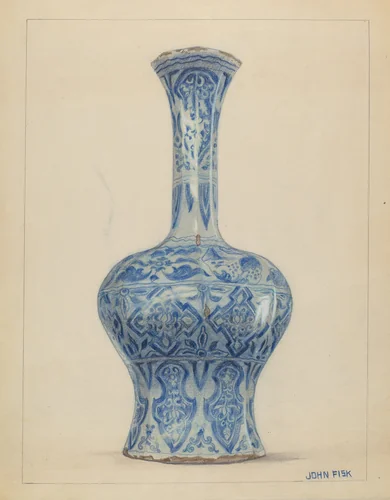
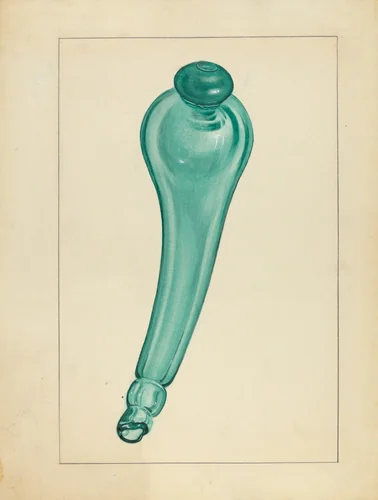
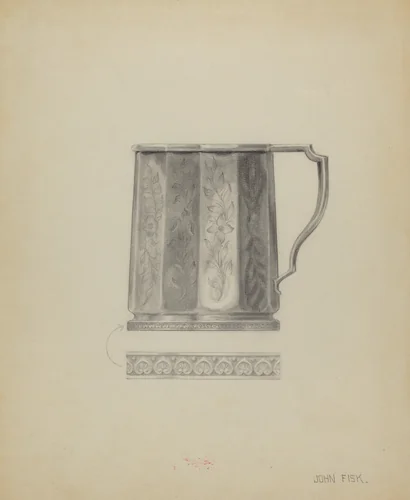
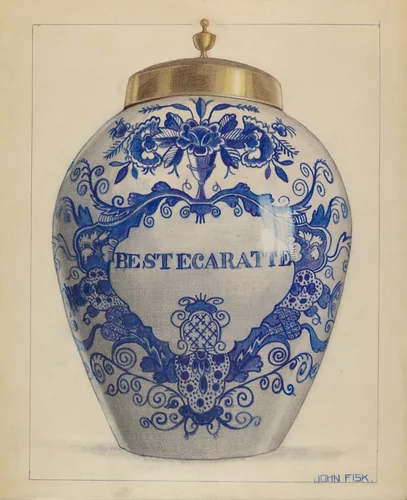
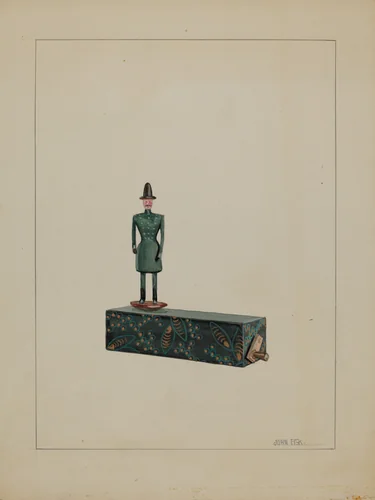
John Fisk’s enduring contribution to American visual culture is rooted in his focused, high-quality documentation work for the Works Progress Administration’s Index of American Design. Active during the pivotal years of 1935 and 1936, Fisk meticulously contributed fifteen detailed studies to the Index, a massive national effort designed to record and preserve traditional American decorative arts and folk objects that were at high risk of being lost to industrial modernization.
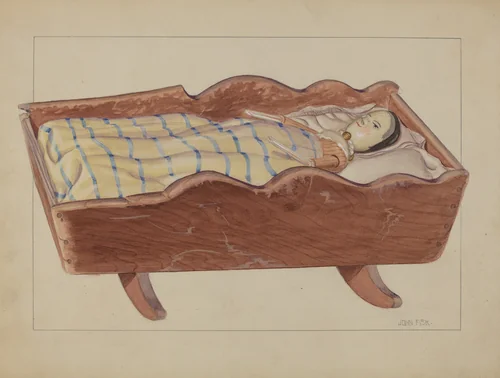
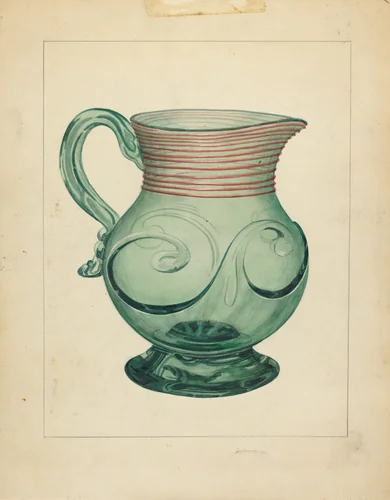
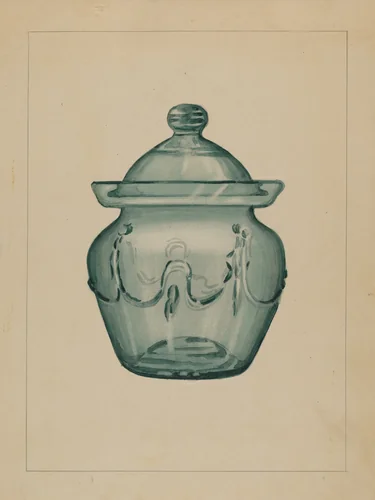
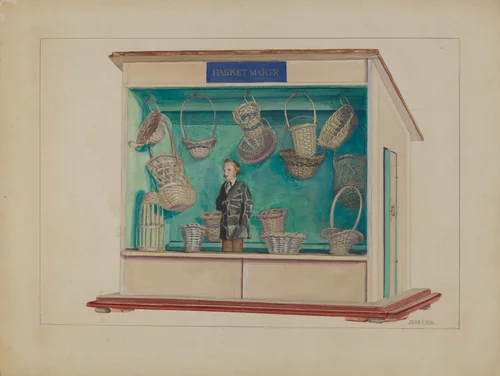
Fisk’s documentation focused primarily on utilitarian objects and domestic material culture derived from regional traditions, reflecting the New Deal project’s dedication to celebrating native craftsmanship over imported high art. His drawings functioned as early, museum-quality ethnographical records, ensuring that artifacts of daily life attained the dignity of historical objects. Key examples of his exacting studies, now held in the collection of the National Gallery of Art, include the intricate line drawings of a Pa. German Cradle with Doll & Coverlet, the simple geometry of a Pitcher, and the essential catalog entry for a Basket Maker's Store.
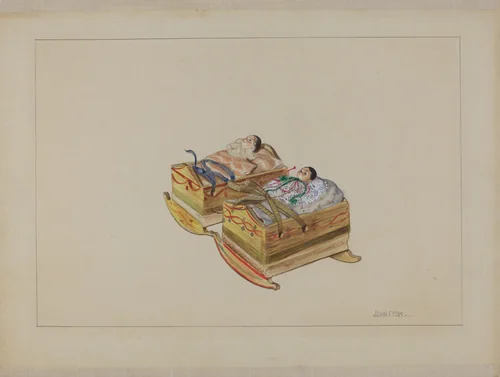
The precision inherent in Fisk’s style captures not just the form, but the historical function of these unique pieces. His renderings, such as Two Cradles with Dolls, demonstrate a dedication to context that elevated simple craft items into subjects worthy of permanent collection. This work was instrumental in forming a foundational visual lexicon for American design history.
Fisk’s contribution ensured that these often-overlooked pieces of American history achieved lasting visibility. Because the Index of American Design was produced under federal contract, many of Fisk’s studies are now securely established in the public domain, allowing historians and collectors worldwide access to downloadable artwork documenting this essential period of American design.
While Fisk’s definitive artistic legacy resides in these highly precise renderings, his professional life subsequently took an unexpected turn away from the drawing board and into the nascent world of broadcast media. He became a familiar American radio personality based in New York City, particularly known for his long association with the Pacifica Foundation’s WBAI-FM. This career transition highlights a surprisingly fluid trajectory, moving from the quiet, meticulous documentation of historical crafts to the immediate, ephemeral demands of live public dialogue.