John Faber
The name John Faber is central to the history of Anglo-Dutch printmaking, representing a highly successful, two-generation portrait dynasty active across the late seventeenth and early eighteenth centuries. The cumulative activity spanning 1660 through 1752 began with John Faber the Elder, a Dutch miniaturist and engraver who established a practice in London. It was, however, the prolific output of his son, John Faber the Younger, that cemented the family’s lasting impact on the visual culture of the Georgian era.
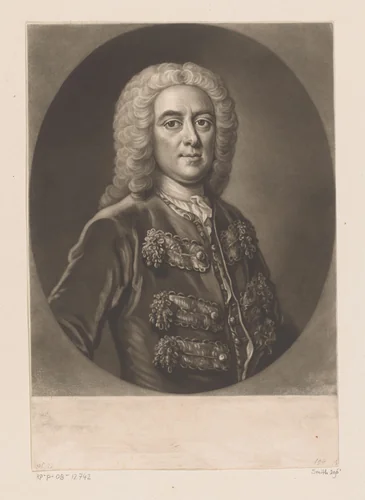
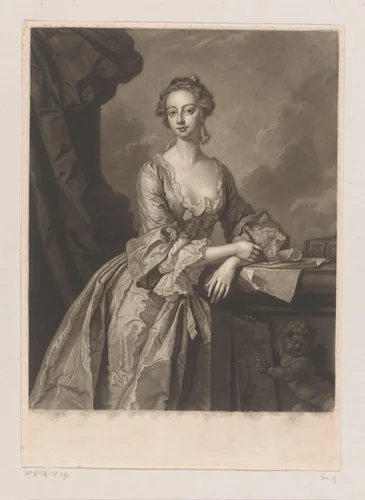
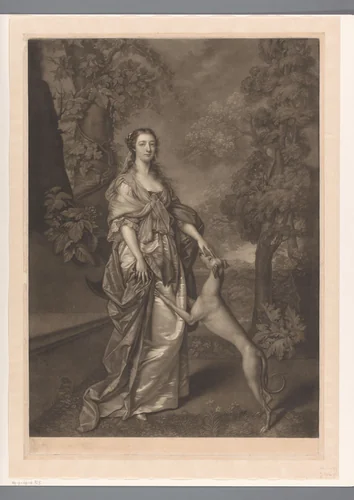
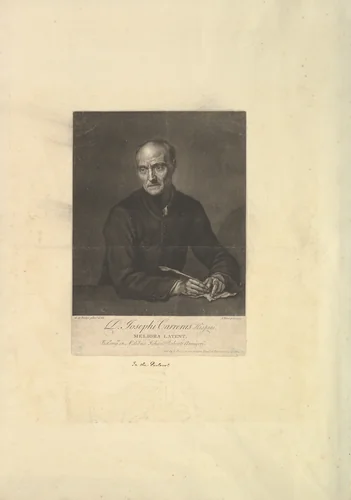
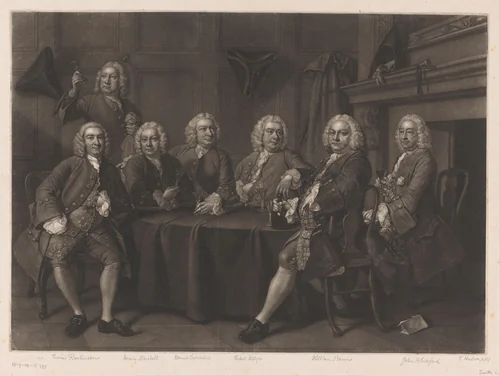
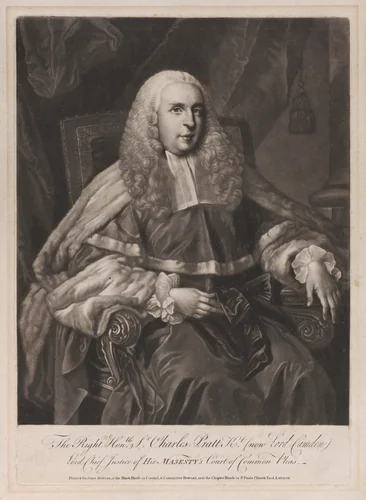
Working primarily as specialist portrait engravers, the Fabers were instrumental in the dissemination of the visual identities of Britain’s political and intellectual elite. While the Elder laid the technical groundwork, the Younger dramatically expanded the scope and complexity of the work. John Faber the Younger was particularly celebrated for his masterful use of the mezzotint technique, which allowed for unprecedented subtlety in shading and texture. This technique was crucial for translating the depth and nuance of oil paintings into reproducible forms, resulting in what were arguably the most sophisticated portrait prints of the period.
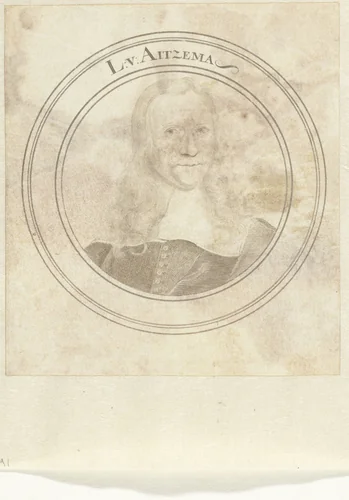
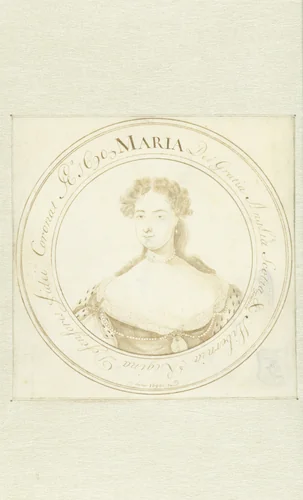
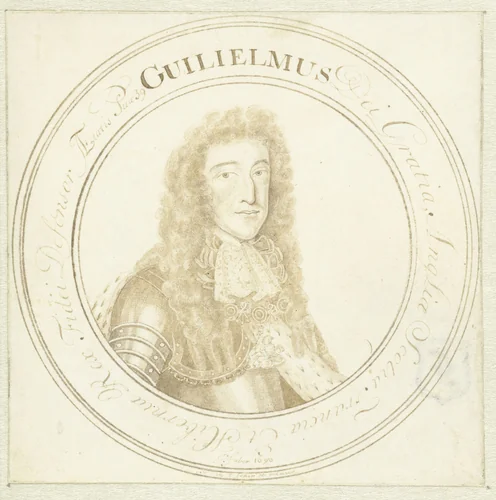
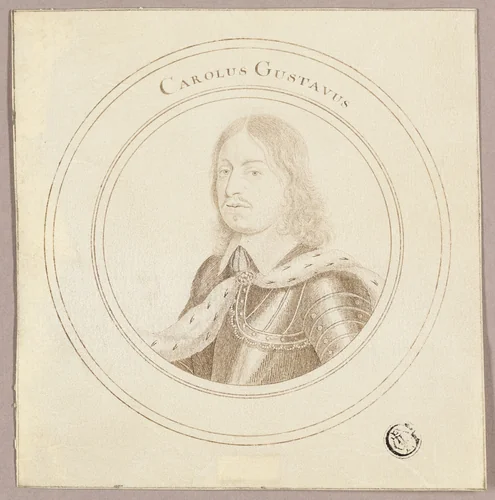
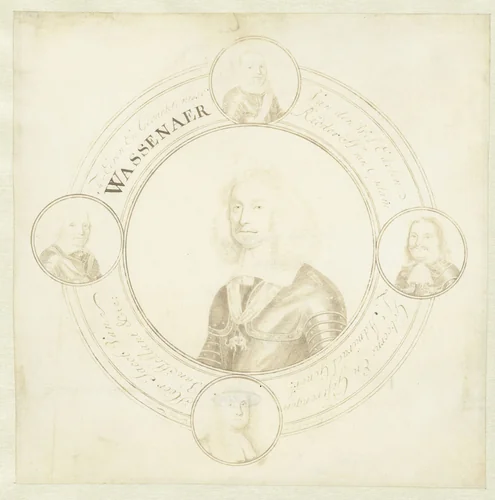
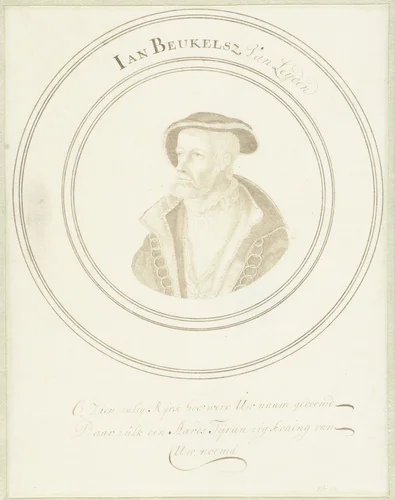
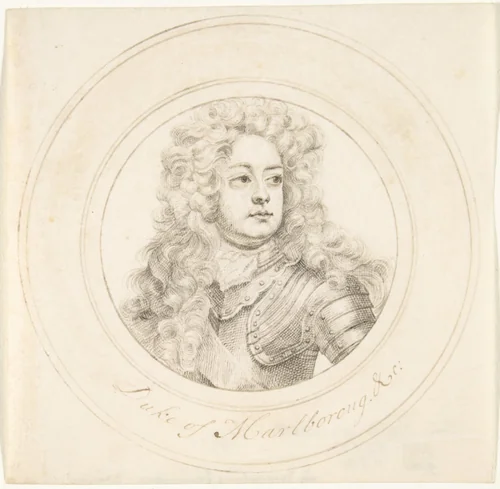
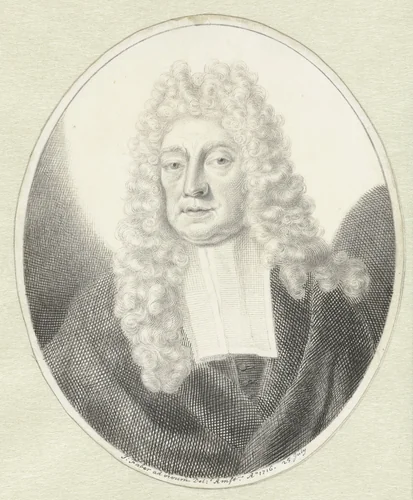
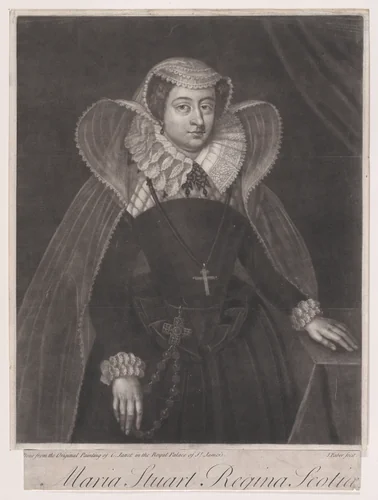
The Fabers’ commissions included pivotal historical figures, reflected in works such as Portret van Prins Willem III, Portret van Maria Stuart II, and the portrait of the diplomat, Portret van Lieuwe van Aitzema. While they specialized in capturing the likeness of the court and aristocracy, their true achievement lay in establishing a robust commercial market that effectively democratized the royal image, long before the age of mechanical reproduction. They transformed high-end portraiture into high-quality prints accessible to a wider non-aristocratic public.
Their combined body of work includes nine drawings and six surviving prints documented in major databases, though their commercial print run would have been far larger. The enduring museum-quality of their legacy is affirmed by institutional collections that hold their pieces, including the Rijksmuseum, the Metropolitan Museum of Art, and the Art Institute of Chicago. Today, much of the Fabers’ extensive catalog of portraiture is now in the public domain, ensuring these foundational pieces of historical documentation remain available as downloadable artwork for scholarly research and appreciation.