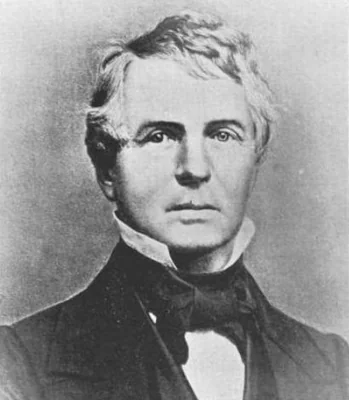
John Dana
John Dana occupies a significant, if specialized, place in the history of 20th-century American applied arts. Active primarily during a brief but critical period between 1935 and 1936, his career centered on the meticulous documentation and refinement of American industrial design objects. Dana’s work is inextricably linked to the Depression-era government initiatives that sought to define and catalog a native, vernacular design vocabulary, emphasizing utility, efficiency, and clarity of form.
His most recognized output is the series known as the 15 index of American Designs, a crucial artifact of this institutional effort. The index serves less as a portfolio of unique creations than as a study of industrial form, utility, and historical influence. Dana’s contributions, often rendered through detailed technical drawings or standardized prototypes, highlight the clean, functional lines characteristic of period modernity. These designs were intended for mass reproducibility and emphasized precision engineering over excessive ornamentation.
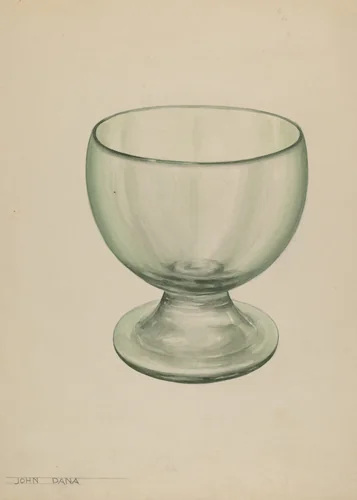
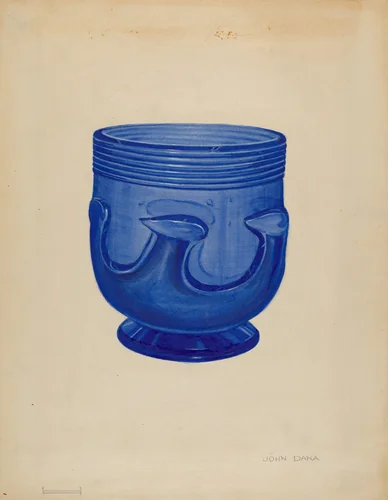
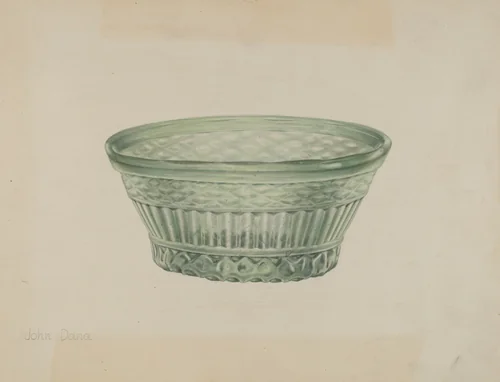
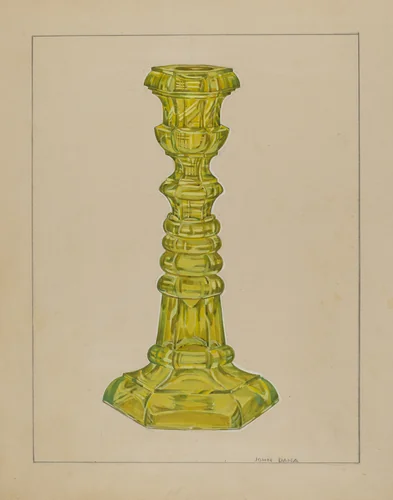
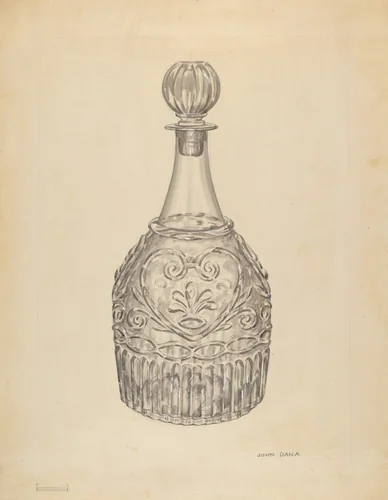
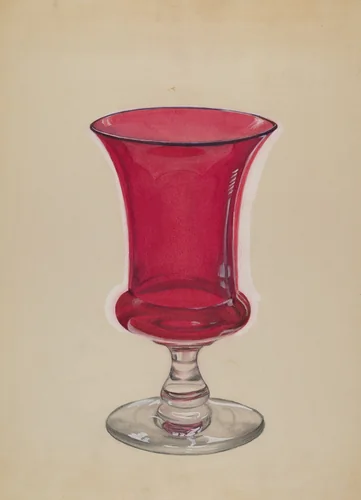
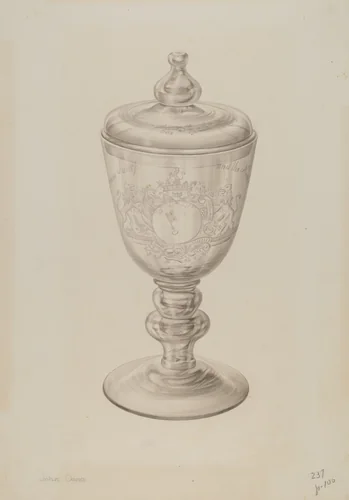
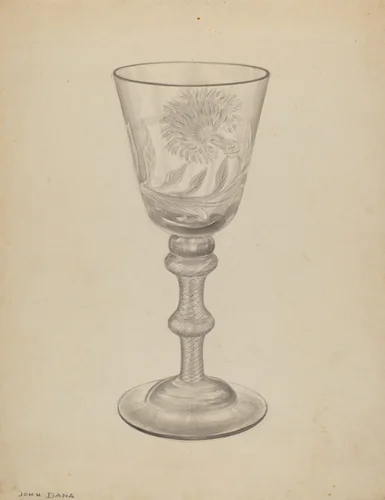
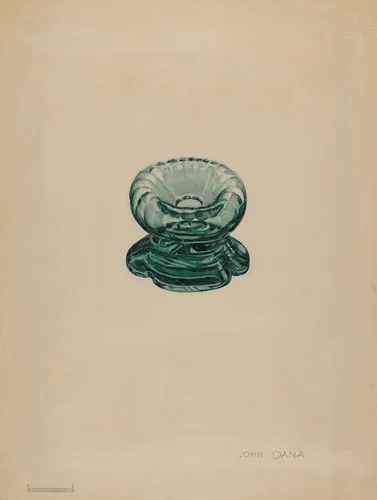
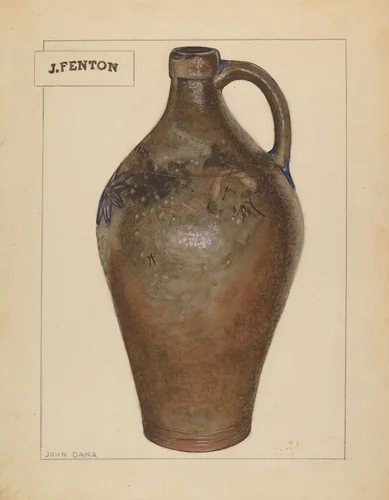
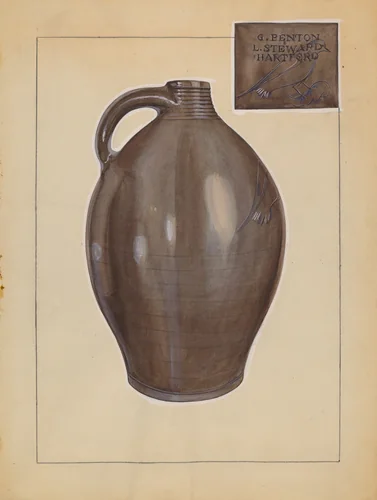
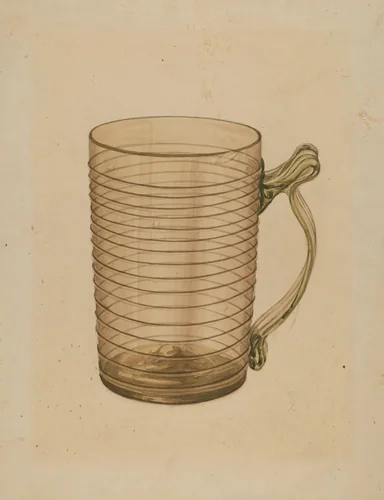
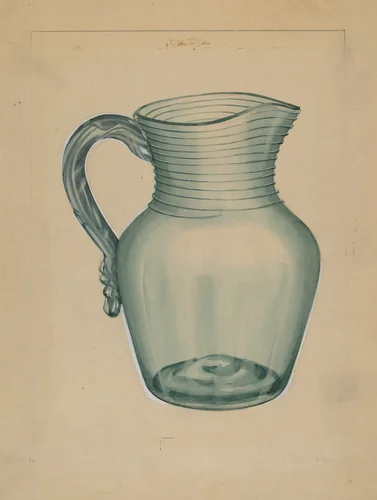
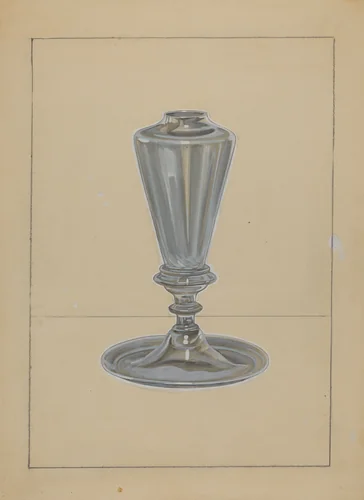
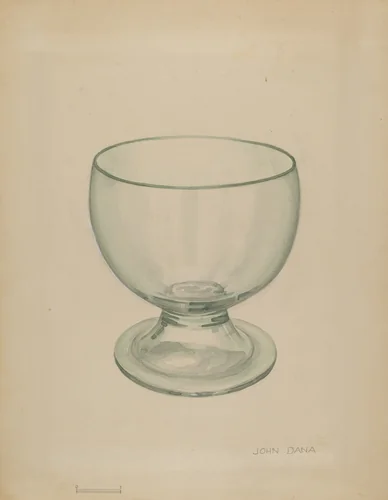
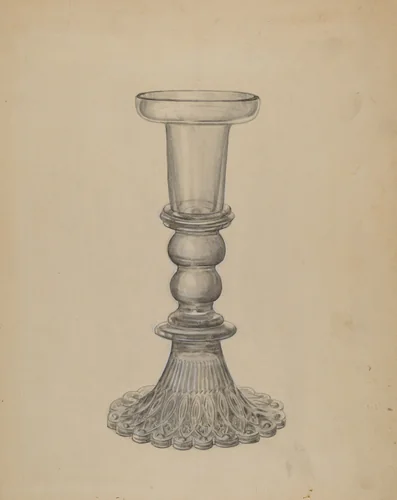
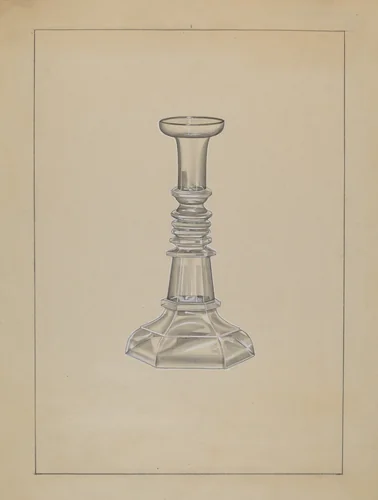
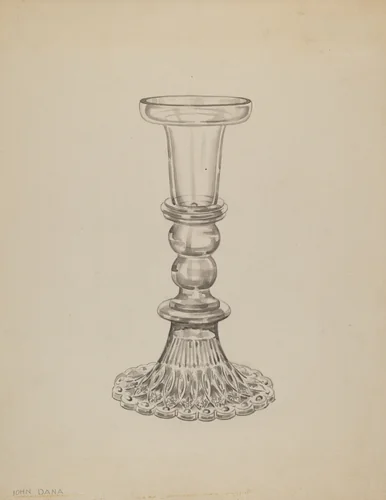
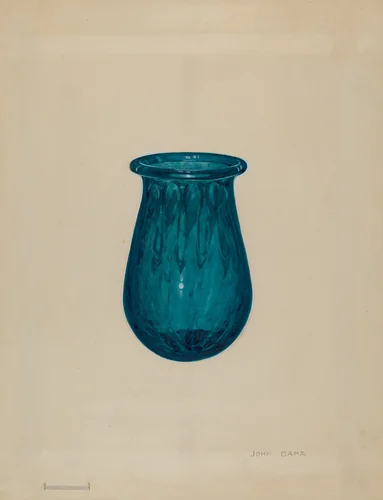
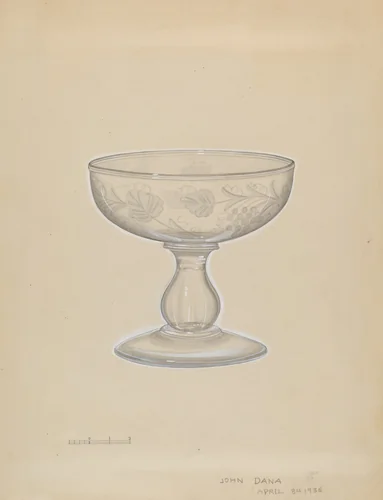
The surviving physical works and design documentation, housed in major institutional collections such as the National Gallery of Art, reflect this disciplined focus. The collection includes standardized yet elegant domestic objects, featuring several variations on the Bowl, as well as a refined Candlestick and a functional Decanter. It is worth noting, as a subtle observation regarding the designer’s commitment, that the precise repetition of form and dimension evident across the three recorded versions of the Bowl suggests an almost obsessive dedication to iterative perfection and the rigorous demands of industrial reproducibility.
Though details of Dana’s personal life remain sparse, the high museum-quality of his documented output ensures his lasting legacy. His work has since transitioned into the public domain, allowing for broad access and academic study. These influential index designs continue to inspire contemporary practice, and the original plates are frequently sourced for creating high-quality prints. Today, researchers and enthusiasts can often find downloadable artwork derived from his technical indices, underscoring the enduring appeal of these royalty-free historical records and confirming Dana’s essential role in cataloging American material culture.
Source: Wikipedia · CC BY-SA 4.0