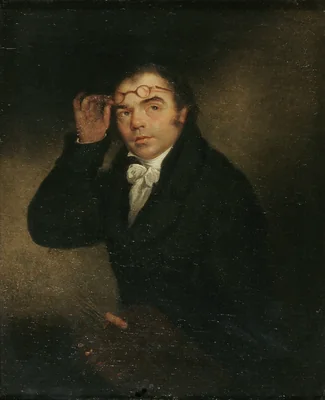
John Crome
John Crome (1768-1813) stands as a pivotal figure in English landscape painting, serving as a principal artist and founding member of the influential Norwich School. This regional movement distinguished itself by promoting landscape as a primary subject outside the restrictive conventions of the London Royal Academy. Crome's dedication to interpreting the local terrain established a vital counter-narrative to metropolitan artistic centers during the Romantic era, ensuring the humble topography of East Anglia achieved lasting artistic significance.
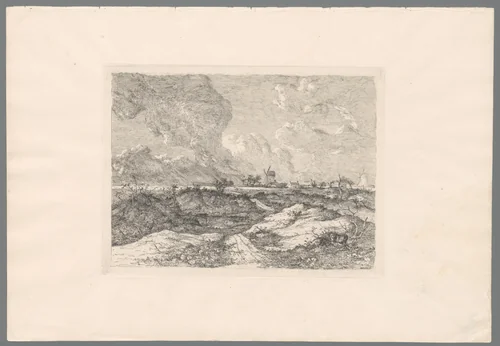
Operating exclusively from his native city, the artist, sometimes known retrospectively as "Old Crome," developed an aesthetic centered entirely on the subtle light and atmosphere of Norfolk. His body of work, though containing relatively few finished paintings, remains critical for its depth of observation, transforming local scenes like Road Scene, Hethersett and the familiar vista of Mousehold Heath into subjects of enduring contemplation.
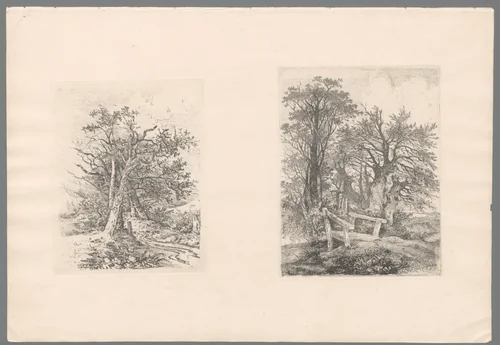
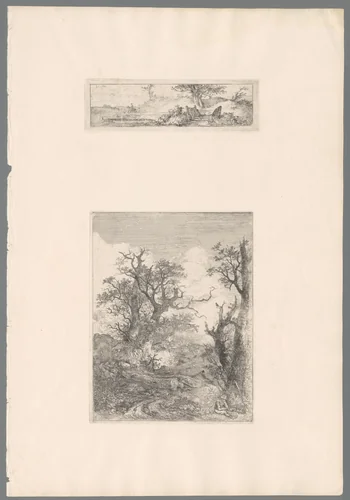
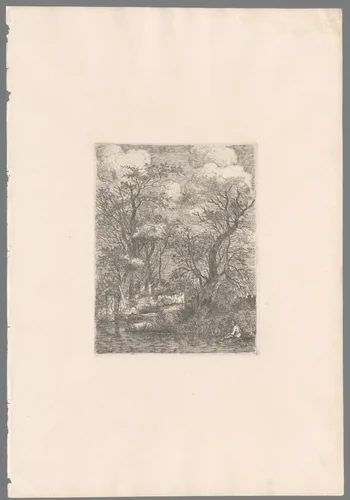
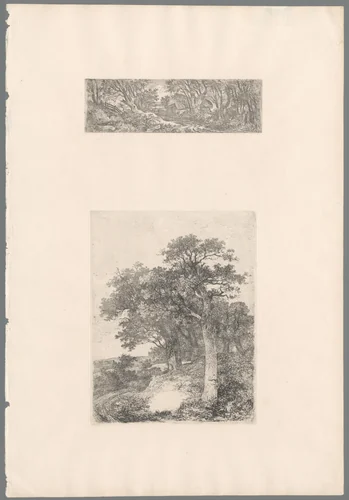
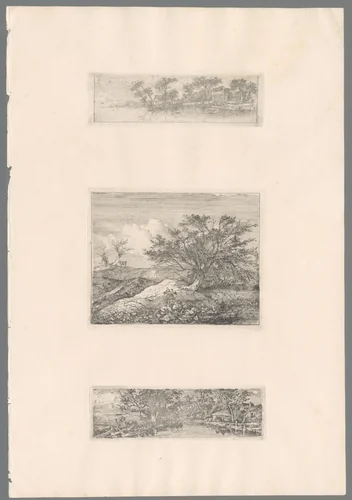
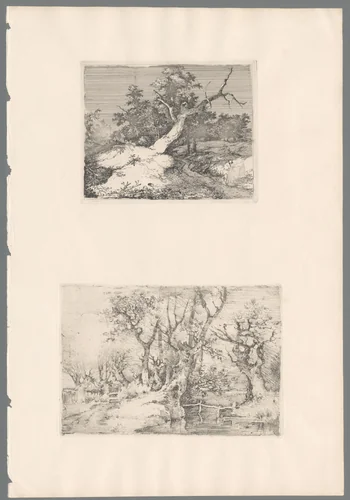
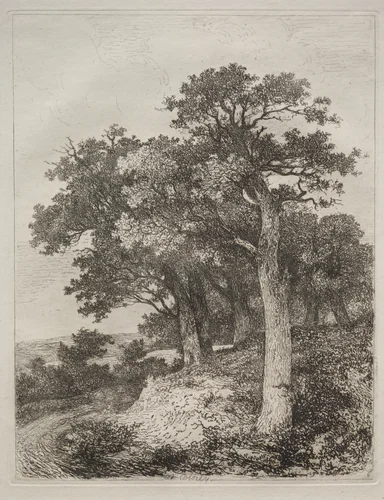
Crome’s creative methods reveal an appreciation for both 17th-century Dutch masters and the burgeoning English Romantic spirit. His commitment to studying nature directly resulted in an impressive catalogue of preparatory sketches and technical renderings. He was prolific in drawing and printmaking; surviving collections include dozens of drawings and 12 detailed John Crome prints. These studies, such as the compositional analysis present in Tree on a Mound, showcase his dedication to the structural integrity of the landscape.
Today, these vital documents of 18th-century English art are housed in major international collections, including the Rijksmuseum, the Metropolitan Museum of Art, and the Art Institute of Chicago. The widespread availability of high-quality prints derived from his portfolio ensures his foundational influence remains widely accessible to scholars and collectors.
Crome’s legacy stems from his successful synthesis of local subject matter and sophisticated artistic technique. His remarkable adherence to Norwich throughout his lifetime, painting nearly all his subjects within a small radius of the city, demonstrates a profound commitment perhaps unmatched among his peers. This focused vision allowed him to elevate the ordinary common or copse of trees into enduring, museum-quality studies of the natural world, reinforcing his position as a cornerstone of the English landscape tradition.
Source: Wikipedia · CC BY-SA 4.0