John Croker
John Croker (1670-1741), originally Johann Crocker, stands as a foundational figure in British numismatic and medallic art, bridging the artistic standards of the late Stuart period with the burgeoning aesthetic of the Hanoverian dynasty. German-born, Croker established himself firmly in Great Britain, where his intricate hand governed the official metallic portraiture of the realm for over three decades, contributing six confirmed masterpieces to the engraver’s catalog.
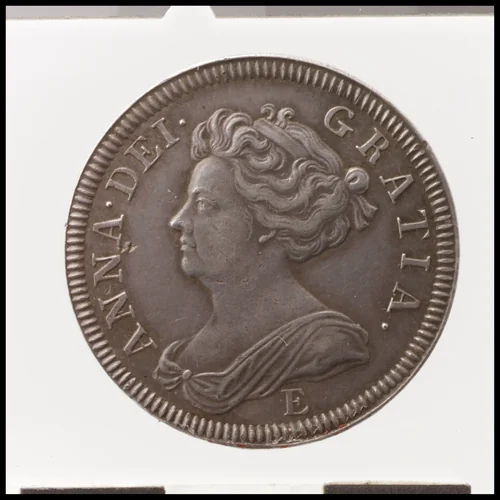
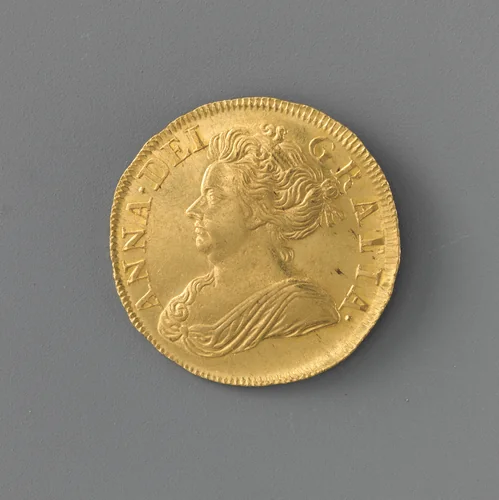
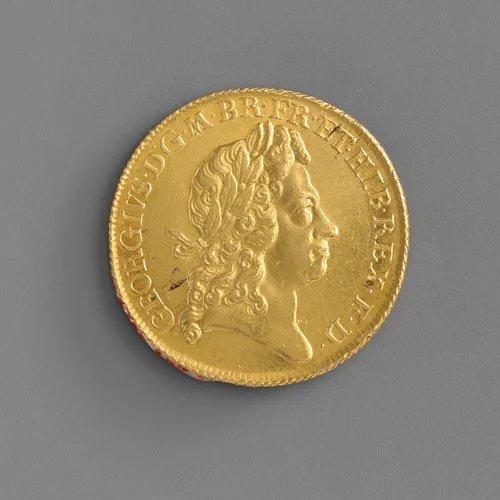
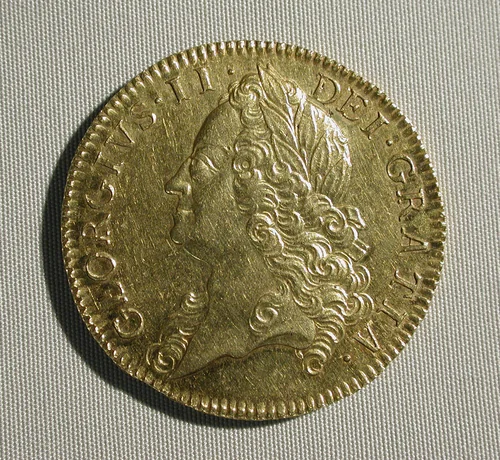
His tenure at the Royal Mint was defined by precision and consistency, vital qualities when producing the official coinage of the Crown. Croker’s output includes some of the most historically significant pieces of early 18th-century currency. These masterpieces span two major reigns, ranging from the refined silver surfaces of the Queen Anne proof shilling to the gold currency of the new dynasty, represented by the Half guinea of Queen Anne and the substantial Two guineas coin of George I. These small-scale sculptural achievements required superb draftsmanship, transforming the rough planchet into a symbol of economic stability and monarchical legitimacy.
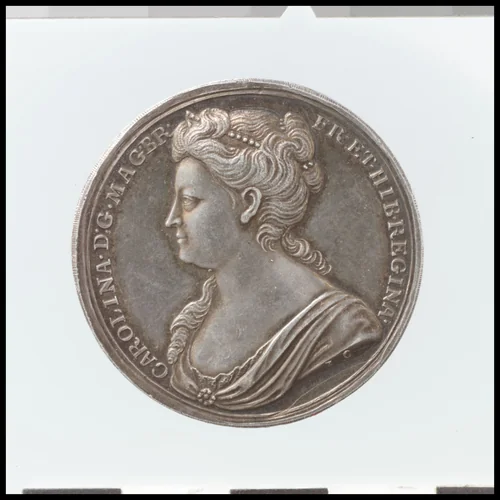
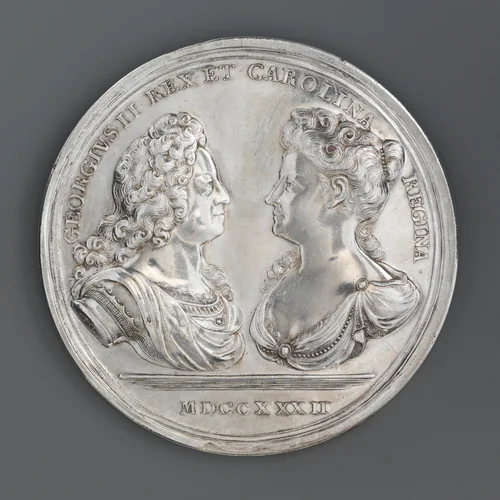
Croker was equally proficient in the commemorative field. His medallic works moved beyond functional currency to capture grand state occasions, demonstrating his skill in complex high-relief compositions. Notable among these is the ornate Coronation of Queen Caroline medal and the politically crucial Medal of George II and his Family. It is perhaps slightly amusing that while the coins he produced were designed to be circulated anonymously, Croker’s artistic influence ensured that nearly every subject in the kingdom carried a fragment of his German-trained skill in their pocket. Given their scarcity and historical import, extant examples of his output are highly prized and considered museum-quality artifacts.
Croker's mastery over steel and copper secured his place in the historical record, with his works now conserved in pre-eminent institutions globally, including the Metropolitan Museum of Art. His enduring legacy rests on his ability to define official British portraiture during a period of intense political change. While the originals remain secured in collections, the precision documented in images of John Croker prints ensures that his historical contribution remains accessible to scholars and collectors alike, often available today as downloadable artwork for academic study.
Source: Wikipedia · CC BY-SA 4.0