John Clerk
John Clerk (1728–1812), known professionally as John Clerk of Eldin, was a defining figure of the Scottish Enlightenment whose significant, though often overshadowed, contribution to the visual arts provides an essential topographical record of eighteenth-century Scotland. Although perhaps most widely remembered for his influential treatise An Essay on Naval Tactics, Clerk maintained a rigorous practice as an artist and etcher, actively producing a body of meticulous prints documenting the natural and architectural landscape. His earliest recorded artistic activity dates to approximately 1748.
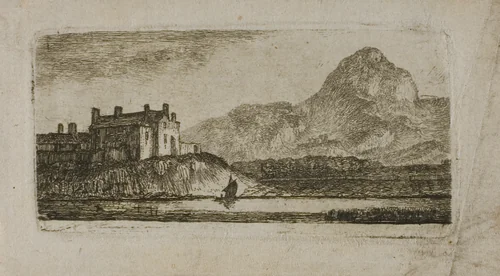
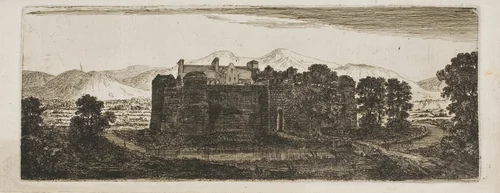
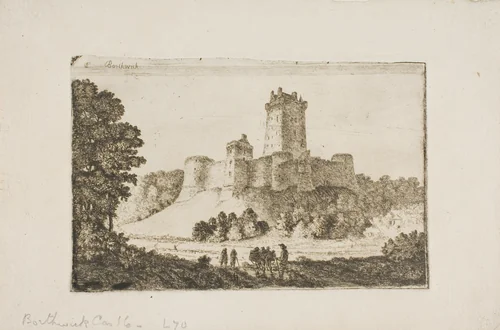
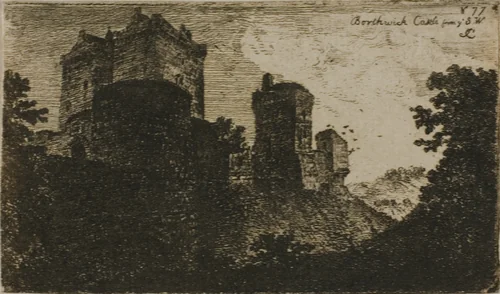
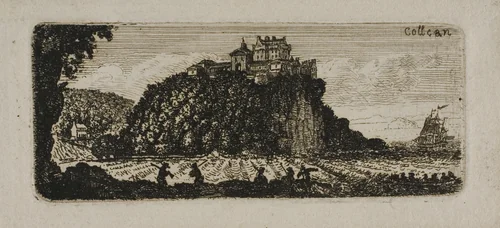
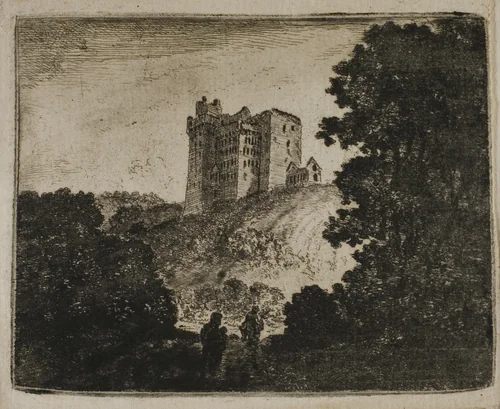
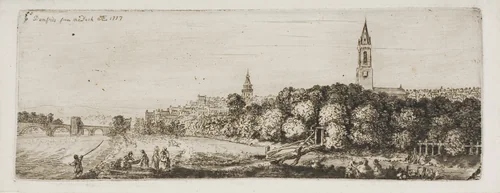
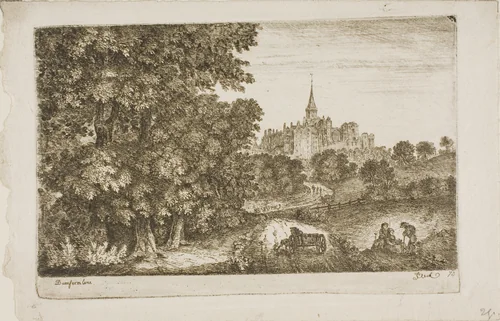
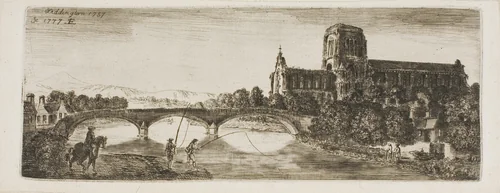
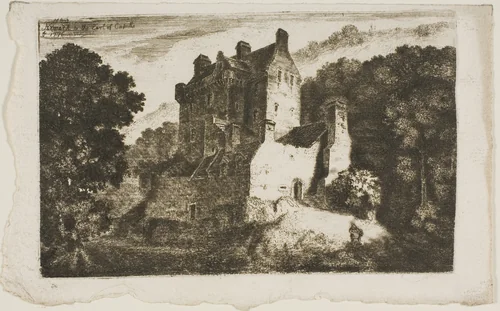
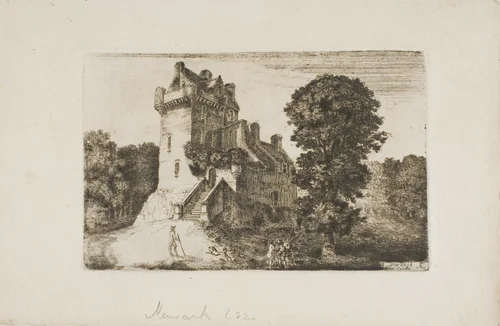
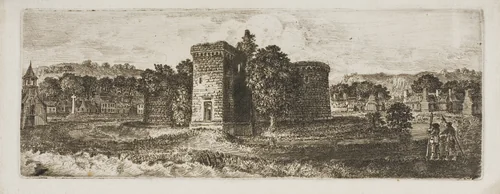
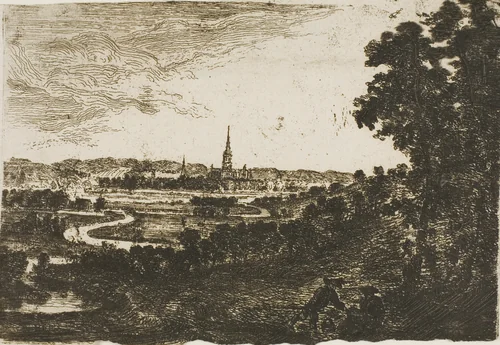
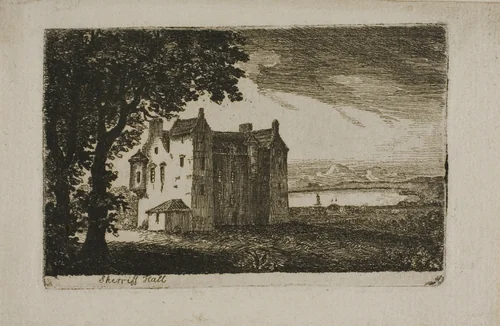
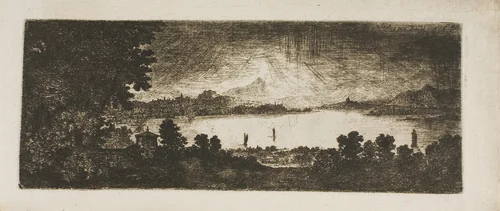
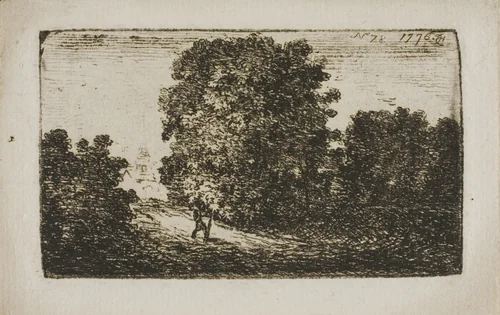
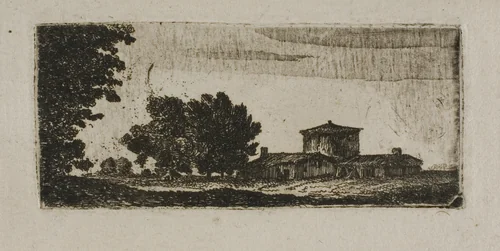
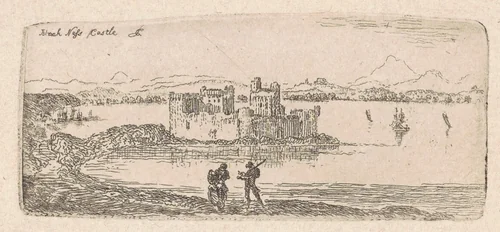
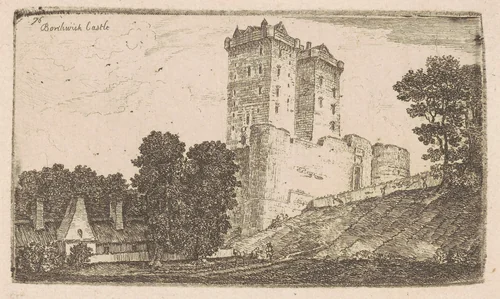
Clerk’s artistic catalog consists primarily of detailed views captured through the precise medium of etching. His focused studies document historic sites, military fortifications, and geographical markers with an analytical clarity befitting an intellectual engaged in both scientific and artistic observation. Key examples of his print work include the measured perspective of Borthwick Castle from the Southwest and the imposing profile of Colzean Castle. Other subjects, such as his rendering of Arthur's Seat and the pastoral view Boghall from Biggar, highlight his ability to translate vast Scottish scenery into compositions of technical rigor.
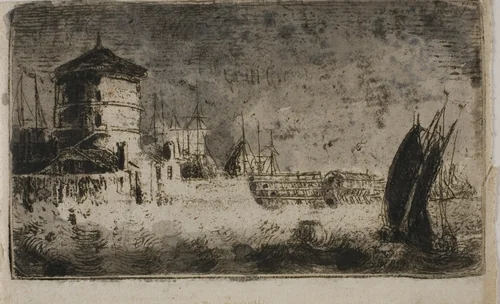
His oeuvre, totaling approximately fifteen original prints, often circulated among antiquarian and intellectual circles, fulfilling the era’s fascination with national history and picturesque ruins. It is a subtle irony that a mind so dedicated to outlining the geometries of conflict, as demonstrated in his foundational work on maritime strategy, devoted equal precision to capturing the tranquil decay of ancient domestic and military architecture.
Clerk’s dedication to capturing the visual facts of a site ensures the long-term historical value of his work. His prints are now held in significant public collections, including the Art Institute of Chicago, where they are valued not just as art, but as documentary resources. As these historic images transition fully into the public domain, researchers and art enthusiasts globally can access downloadable artwork. The resulting availability of museum-quality high-quality prints reaffirms John Clerk’s standing not merely as a theoretician, but as one of the most acute observers of his native land.