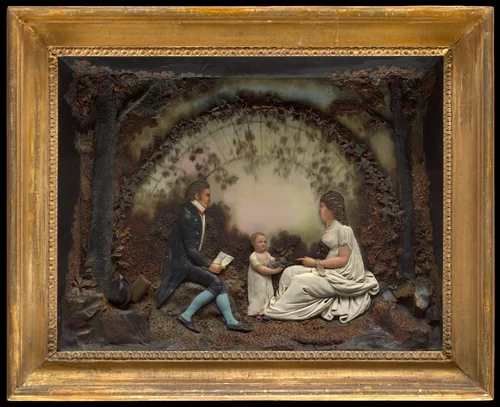
John Christian Rauschner
John Christian Rauschner, a German artist specializing in portraiture rendered in wax, established a distinct, albeit brief, profile within the early American art world. Active primarily between 1797 and 1805, Rauschner traversed the newly formed Republic as an itinerant professional, documenting the emerging Federal-era populace in major urban centers including Boston, New York City, and Philadelphia.
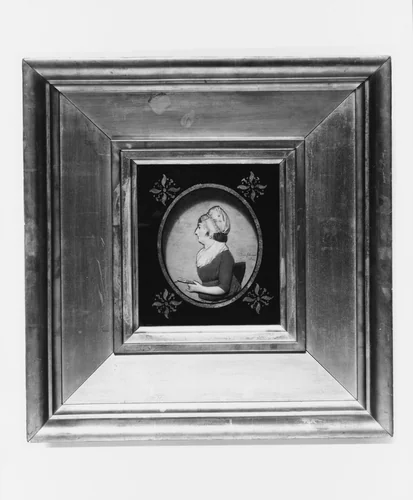
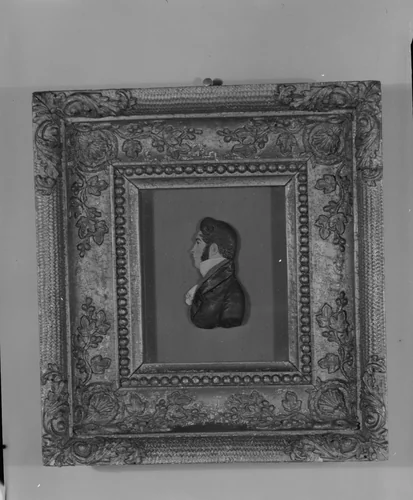
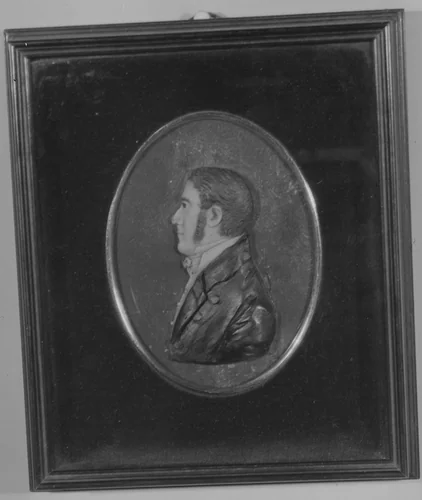
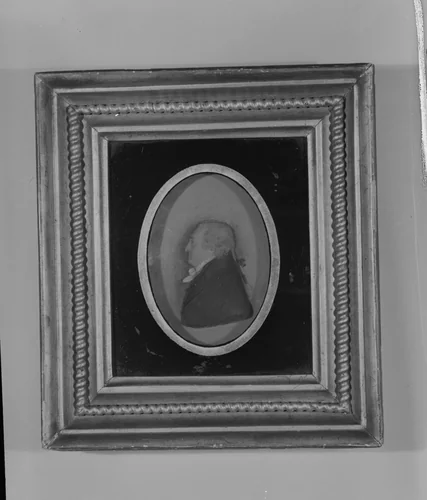
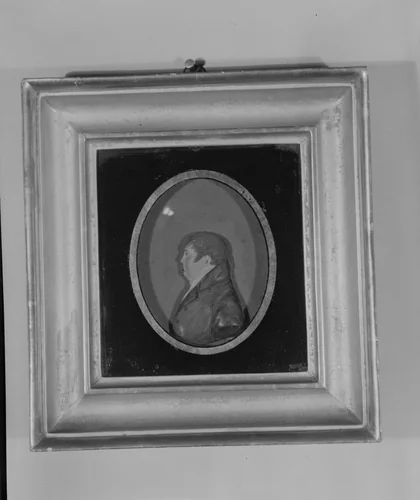
Rauschner’s chosen medium was highly specialized. Executing profiles in pigmented wax allowed him to blend the precision of the silhouette with the dimensionality of sculpture, creating intimate yet finely detailed likenesses. His sitters, drawn largely from the aspiring merchant and professional classes, benefited from a sophisticated form of portraiture that was generally more accessible than traditional oil paintings. These three-dimensional profiles were often housed in glass and frame, providing a durable, museum-quality memento of the sitter.
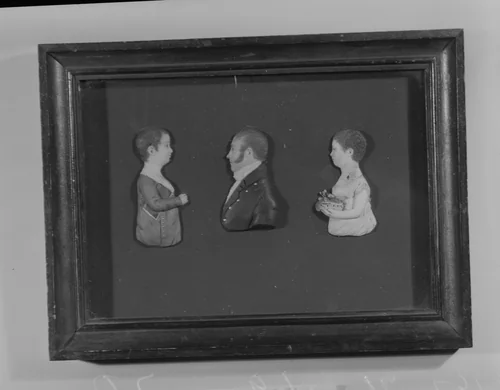
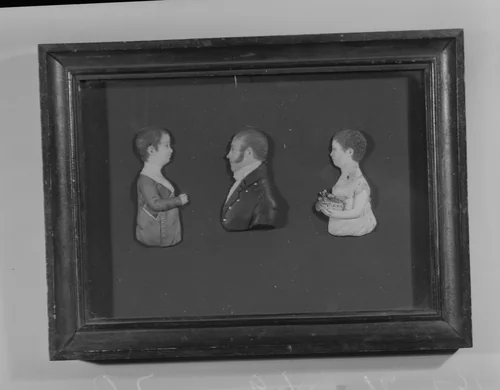
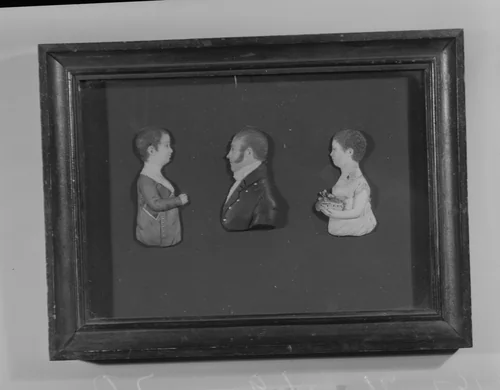
His technique demanded acute attention to physiognomy and often resulted in works of surprising consistency and clarity. Rauschner appears to have treated every profile with the same precise, almost industrial efficiency, whether rendering a prominent figure or a young woman of modest standing. This consistency in production helped define the scope of his legacy. Key examples, such as the suite of portraits held by the Metropolitan Museum of Art, chronicle specific local populations, including the highly detailed Profile Bust of a Salem Boy, the Profile Bust of a Salem Girl, and the dignified Profile Bust of a Salem Gentleman. Other important surviving works include Profile Bust of a Woman and Profile Bust of a Young Man.
The success of Rauschner’s eight-year American sojourn is quantified by the impressive institutional placement of his works today. His output resides in premier collections spanning the country, including the Museum of Fine Arts, Boston, the Metropolitan Museum of Art, the Philadelphia Museum of Art, the Peabody Essex Museum, and the permanent collection of the White House. For scholars and collectors of Americana, many records of John Christian Rauschner prints and related materials are now entering the public domain, increasing the potential for academic study and providing access to high-quality prints of his historic portraits. Rauschner’s innovative specialization ensures his place as a uniquely skilled observer of the American populace at the turn of the nineteenth century.
Source: Wikipedia · CC BY-SA 4.0