John Carlin
John Carlin (1813-1891) established himself as a prominent American painter during the middle decades of the 19th century, an era characterized by the surging demand for documentary portraiture among America’s expanding professional class. Active between 1835 and 1857, Carlin specialized in commissions that prioritized accurate likeness and social documentation, securing his historical standing through inclusion in significant institutional collections, notably the Metropolitan Museum of Art.
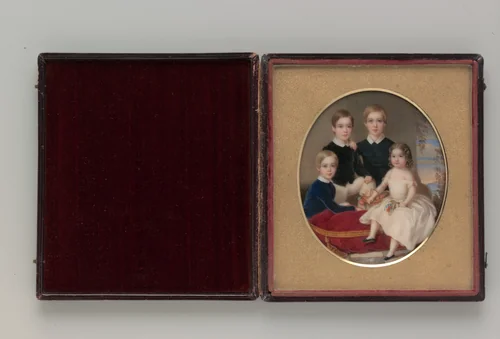
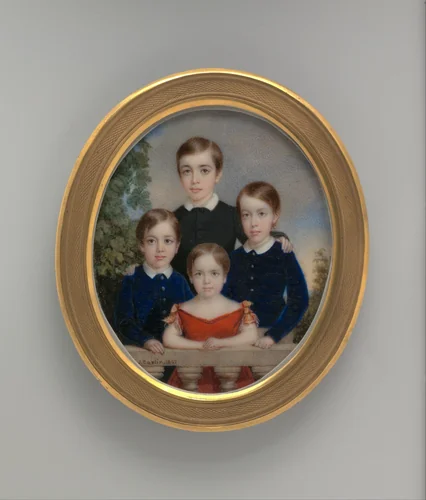
Carlin's works provide a precise window into the domestic stability and societal aspirations of the antebellum period. His technical skill is evident in complex family studies such as The Thompson Children and The Allen Children, where he managed multiple sitters with a controlled sense of composition and an objective approach to human detail. Unlike the dramatic flair of earlier Romantic artists, Carlin employed a clear, measured style that rendered his subjects approachable and grounded, focusing keenly on the textures of contemporaneous fashion and the specifics of domestic environment.
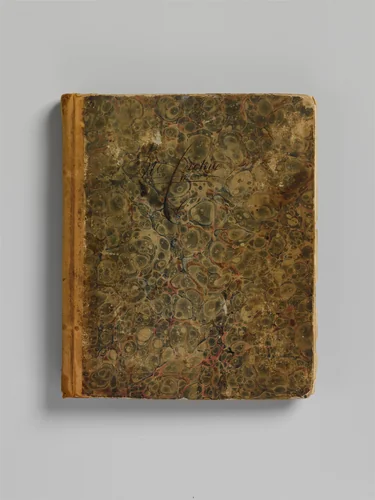
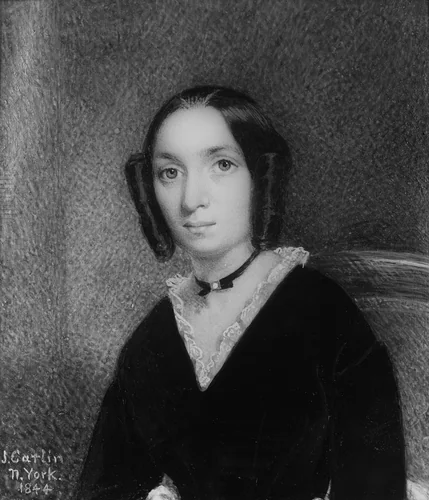
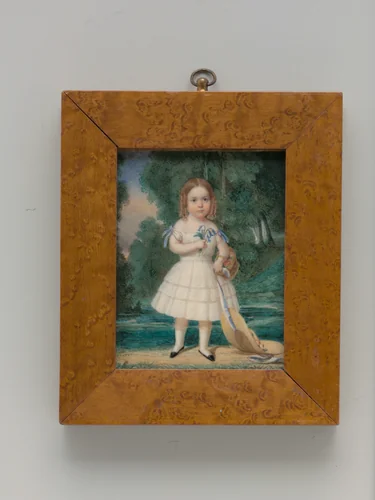
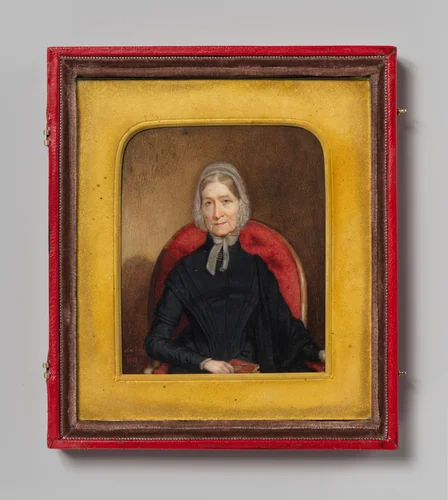
His individual commissioned portraits, including Portrait of a Lady and the likeness of Florine Turner, demonstrate the quiet dignity he consistently afforded his sitters. He was an artist deeply rooted in the practical economy of his profession; in a revealing instance of archival history, one of the official recorded works attributed to him is simply the Account Book Ledger, a unique inclusion that offers a dry but telling reminder that even artistic excellence relied heavily upon sound 19th-century business management.
Carlin's enduring legacy is tied to the historical record preserved in his distinctive style. As many John Carlin paintings have moved into the public domain over the intervening centuries, there has been a significant increase in their accessibility. The clarity and historical integrity of these works make them highly suitable for museum-quality reproductions. Today, the opportunity to secure high-quality prints of his important social documents ensures that his contribution to early American visual culture remains relevant and widely studied.
Source: Wikipedia · CC BY-SA 4.0