John Baptist Jackson
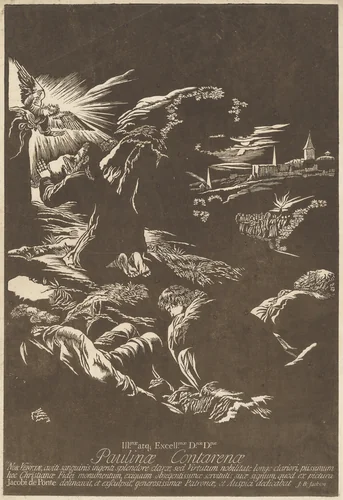
John Baptist Jackson (1701–1780) stands as one of the most ambitious and technically innovative British woodcut printmakers of the eighteenth century. Though British by birth, Jackson’s productive career flourished across the continent, primarily in the cultural and commercial capitals of Paris and Venice. His commitment was to fundamentally elevate the status of the woodcut, a medium often relegated to simpler forms of reproduction.
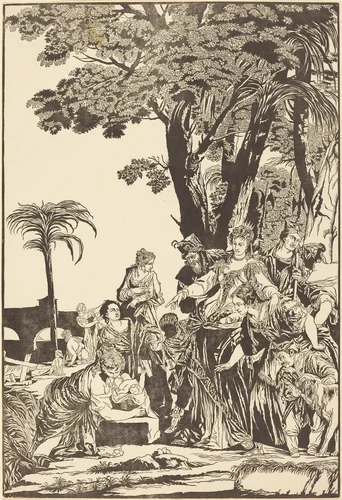
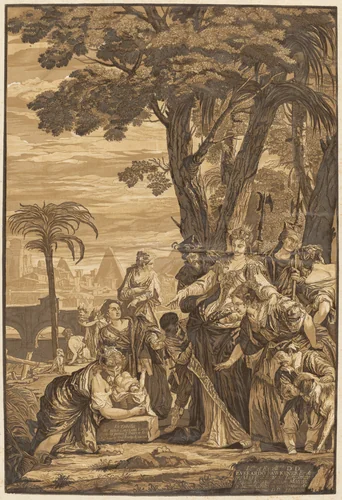
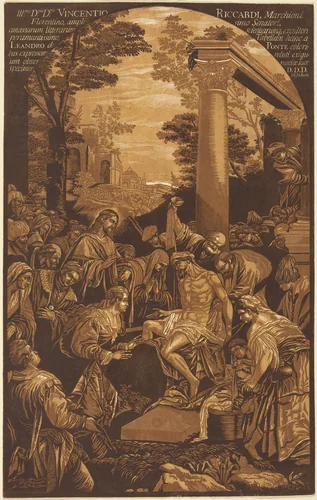
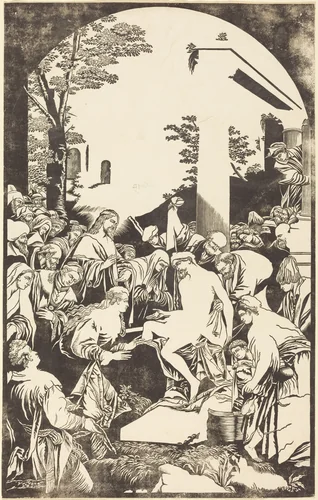
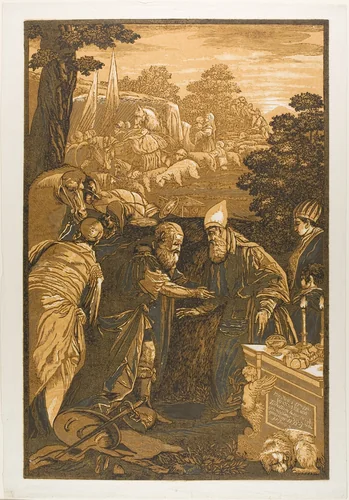
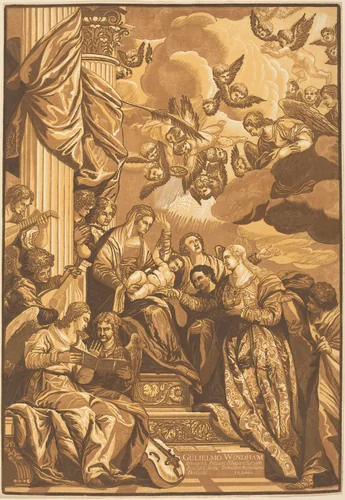
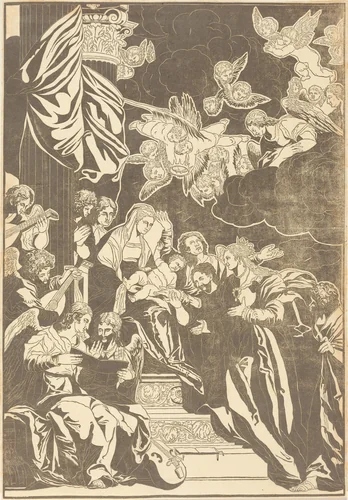
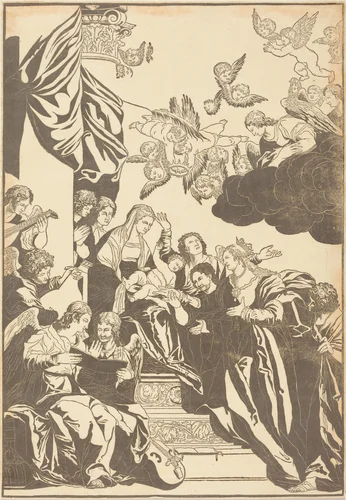
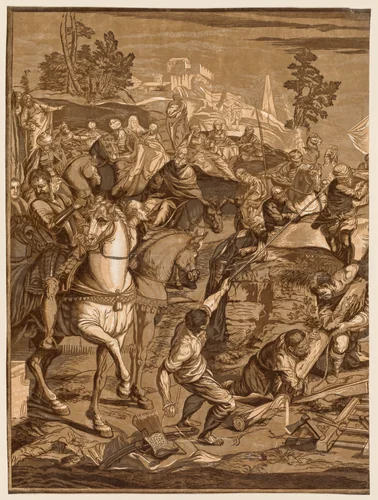
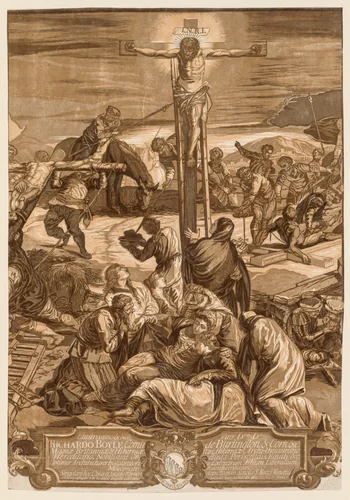
Jackson’s significance rests squarely on his pioneering role in color printing. He was instrumental in expanding the use of multiple blocks to achieve complex tonal ranges, pioneering both sophisticated chiaroscuro techniques and rich, full-color polychrome prints. This technical prowess allowed him to take on monumental subjects and scale, often attempting to translate large Italian Renaissance and Baroque paintings into reproducible graphic formats. Works such as the complex two-part composition The Miracle of Saint Mark and the finely detailed Mystic Marriage of St. Catherine demonstrate his technical mastery and dedication to rendering painterly effects using multiple superimposed color blocks.
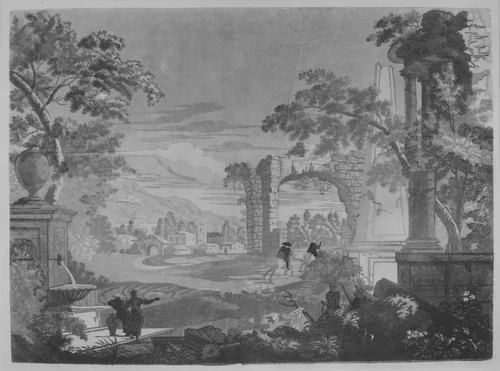
His prolific output was fueled by an entrepreneurial spirit that saw him apply his considerable printing skills across various markets. It is a subtle observation, perhaps, that an artist dedicated to translating high art masterpieces was equally comfortable applying his color printing mastery to commercial projects, including the production of elaborate decorative wallpaper. This dual focus underscores his practical vision for the woodcut medium, proving it viable for both fine arts and decorative applications.
Jackson’s prints, active roughly between 1701 and 1739, represent a crucial juncture in the history of graphic arts, demonstrating the woodcut’s potential for museum-quality presentation. Today, many John Baptist Jackson prints reside in prestigious institutional collections, including the Art Institute of Chicago and the National Gallery of Art, attesting to his historical importance. Fortunately for scholars and enthusiasts, a substantial number of these early, high-quality prints are now in the public domain, offering accessible artwork for detailed study and appreciation.
Source: Wikipedia · CC BY-SA 4.0
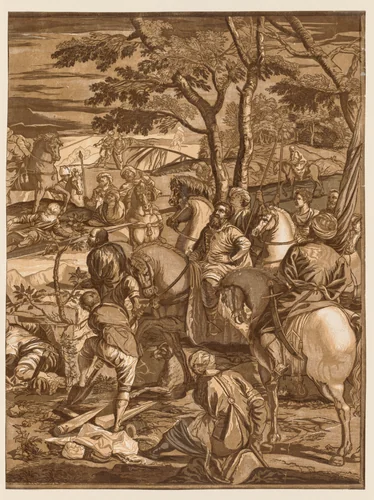
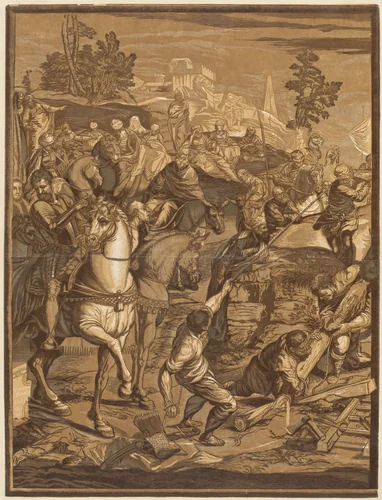
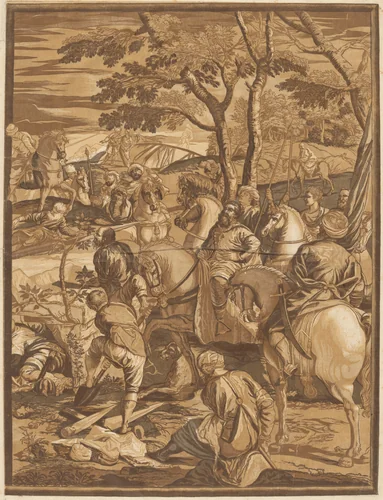
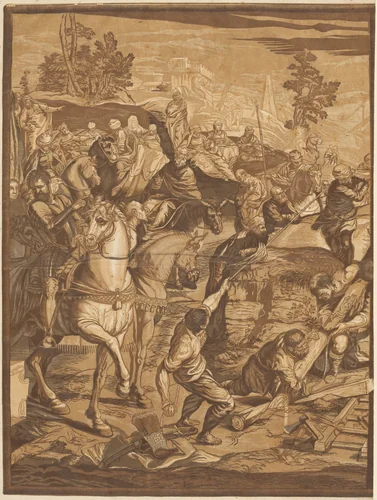
![The Crucifixion [Center Panel] by John Baptist Jackson, print, 1741](https://img.artbee.org/772c6f6e-edf2-4ad5-bf96-bf036b7cd9a4/small.webp)
![The Crucifixion [center plate] by John Baptist Jackson, print, 1741](https://img.artbee.org/bb055eaf-a5f7-46b8-bf13-d2c3bb549af4/small.webp)
![The Crucifixion [left plate] by John Baptist Jackson, print, 1741](https://img.artbee.org/8e87e3fd-ce49-4a60-a36e-ff23f60a3c76/small.webp)
![The Crucifixion [right plate] by John Baptist Jackson, print, 1741](https://img.artbee.org/c0059699-223f-419e-ac7f-1810b845dcde/small.webp)