John B. Greene
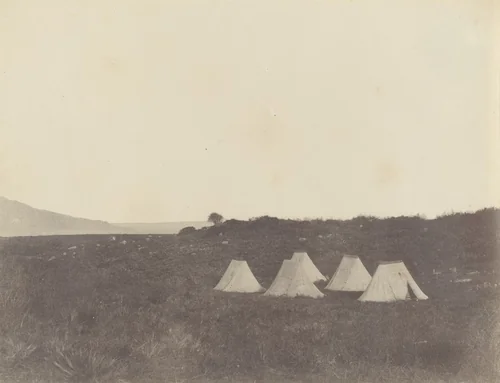
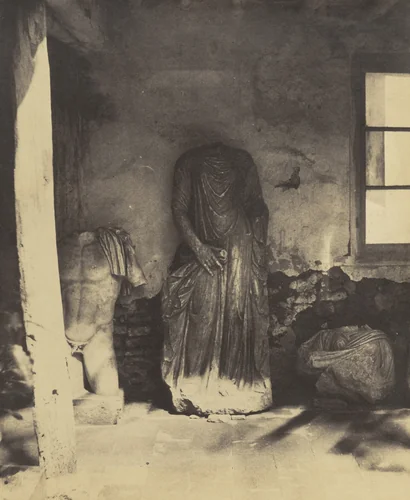
John B. Greene was a photographer whose documented career was highly concentrated, active primarily between 1852 and 1855. His historically significant body of work centers on landscape and architectural studies produced during extensive travels across North Africa and Europe, demonstrating an early focus on archaeological and geographical documentation.
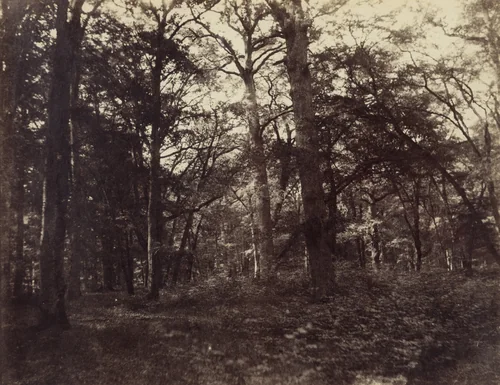
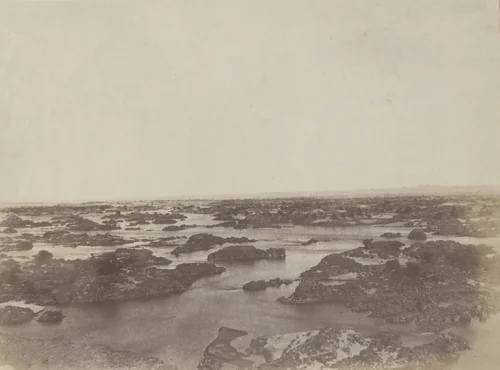
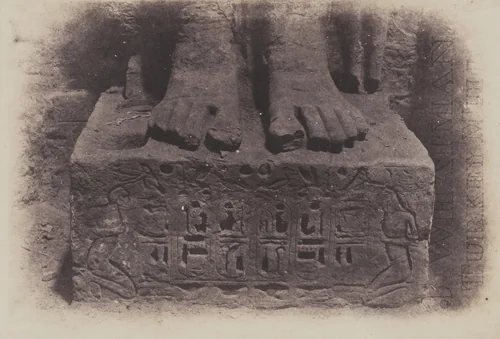
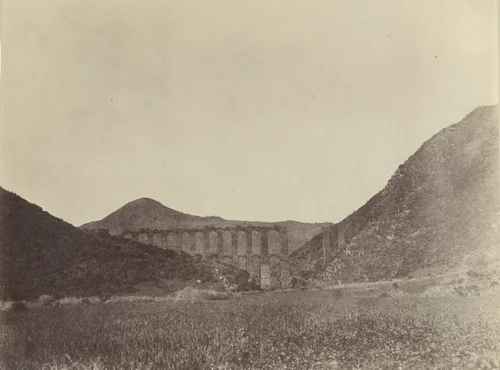
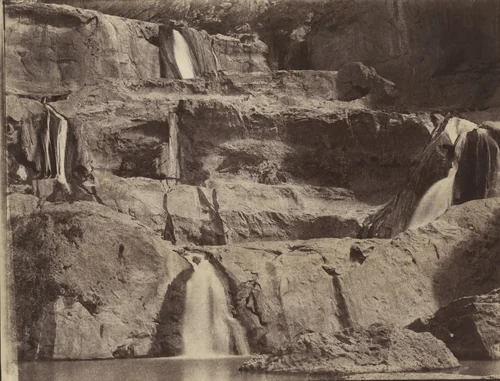
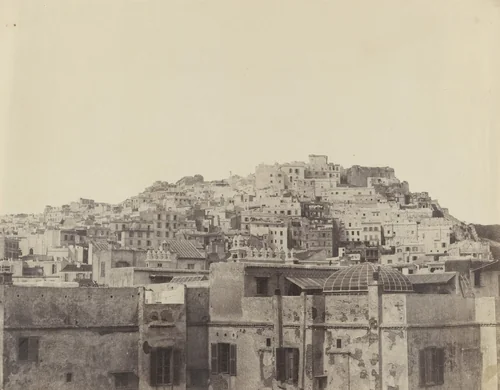
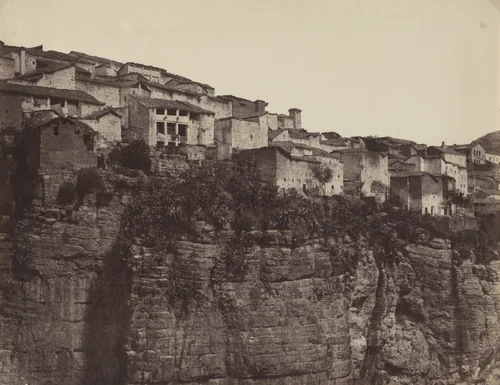
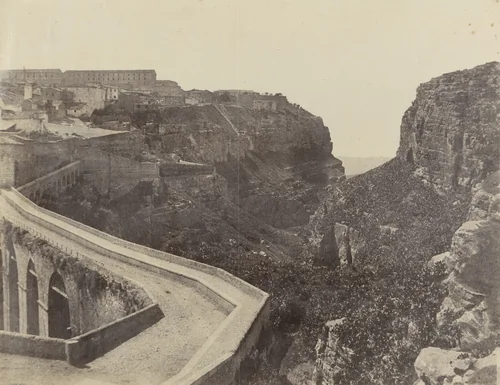
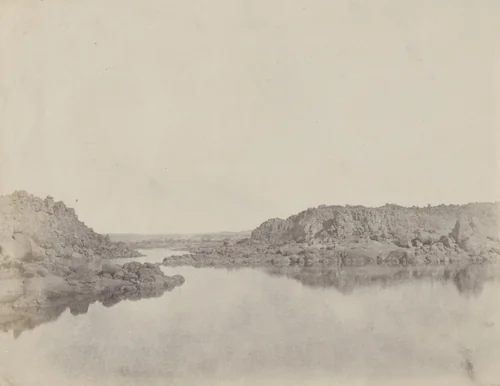
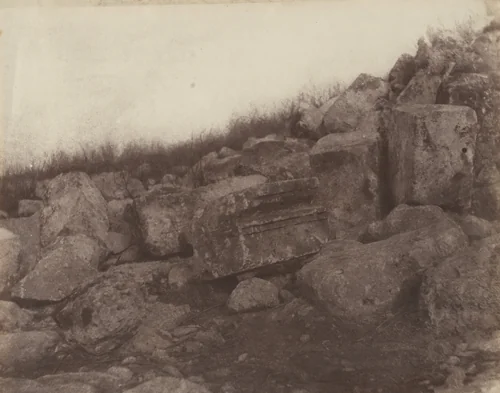
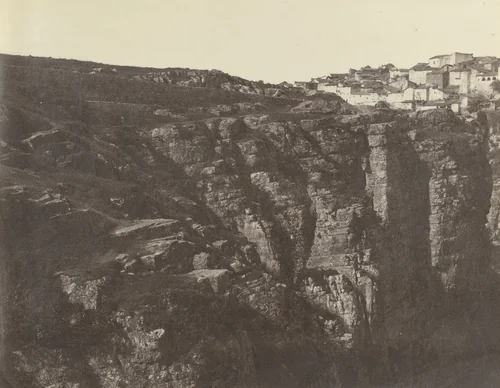
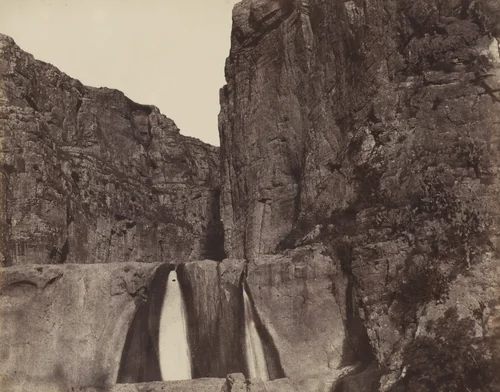
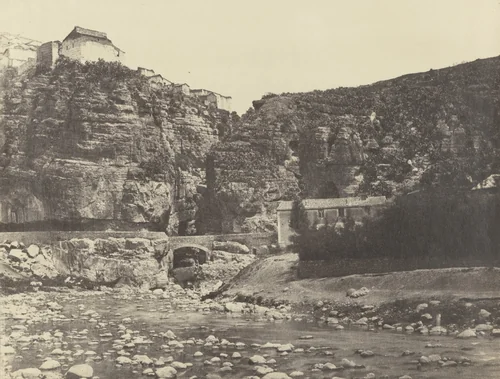
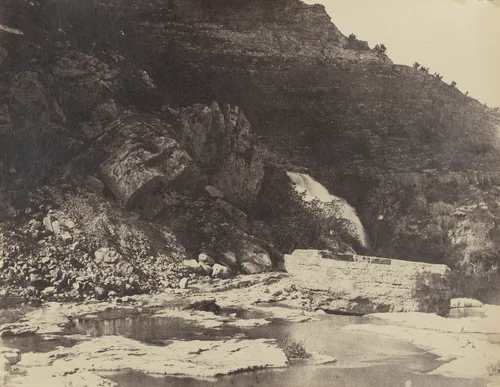
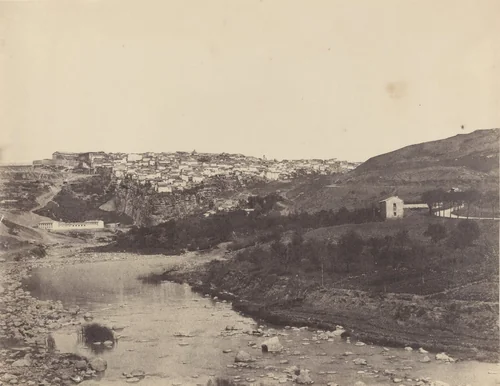
Greene’s output captured exotic and monumental sites ranging from ancient Egyptian ruins to North African infrastructure. His documentation includes studies along the Nile, such as the Second Cataract of the Nile and the archaeological close-up Feet of Ramses III, Medinet Habu. His Algerian work covers both natural and man-made structures, including the Aqueduct of Cherchell and the dramatic natural feature Cascade d'El-Ourit, Tlemcen, Algeria. Greene also documented European sites, exemplified by his landscape study Forest of Fontainebleau, Great Forest of Cedars, West of Teniet-el-Had, Algeria.
Fifteen of John B. Greene's prints are represented in institutional holdings, confirming their historical and artistic value. Major collections preserving his museum-quality work include the Museum of Modern Art. As historical artifacts, the original John B. Greene prints, along with many high-quality reproductions, are often found in the public domain, allowing for scholarly study of this early photographic documentation.
Source: Wikipedia · CC BY-SA 4.0