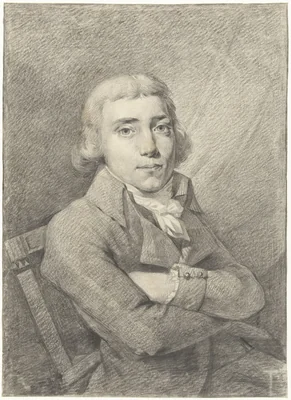
Johannes Pieter de Frey
Johannes Pieter de Frey (or Freij) was a versatile Dutch figure in the graphic arts, operating during the late eighteenth century. Based in the Netherlands, he distinguished himself not merely as an engraver, but as a central node in the art distribution network, capably holding the triple role of printmaker, painter, and publisher. His documented activity spans the period from 1770 to 1796, a focused two and a half decades where technical precision was highly valued.
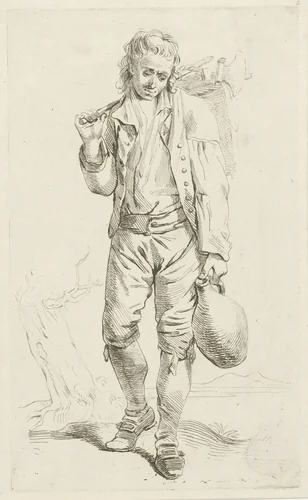
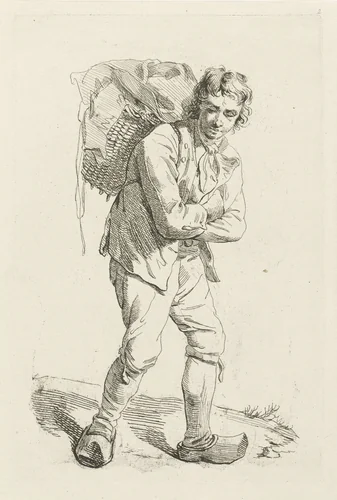
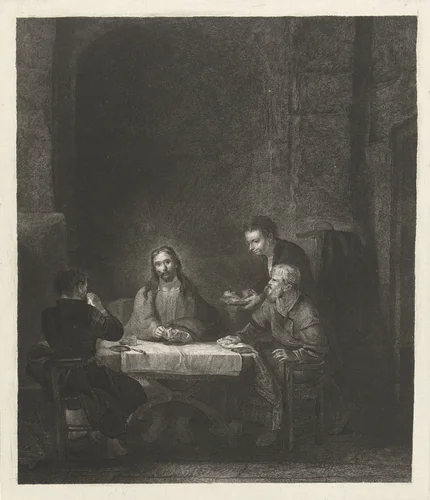
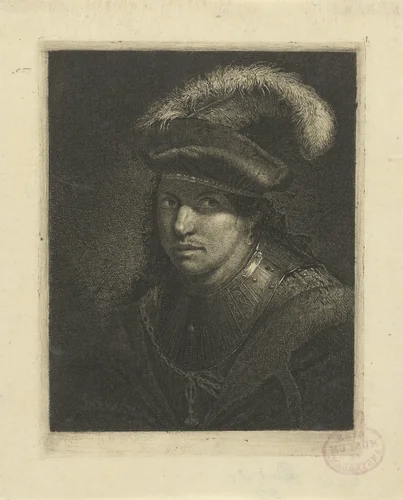
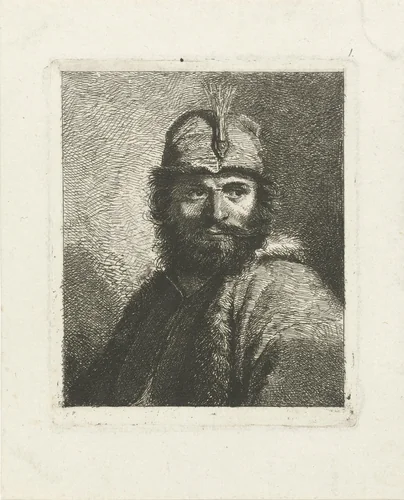
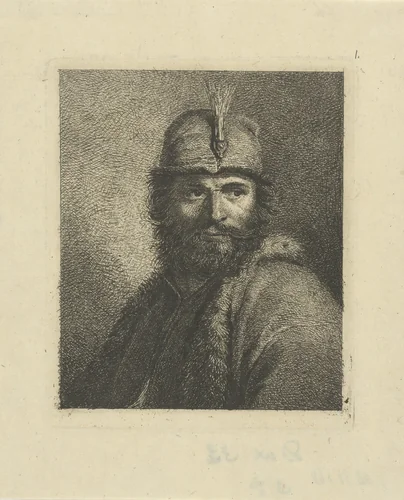
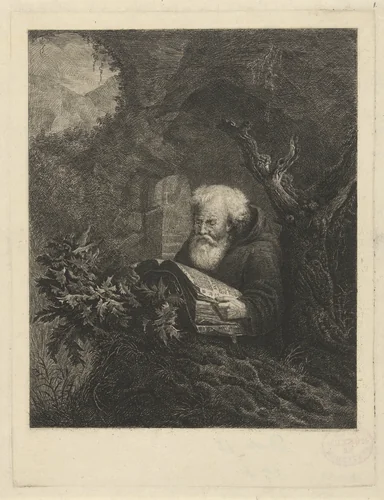
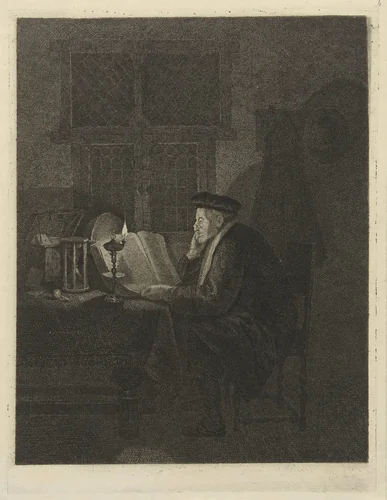
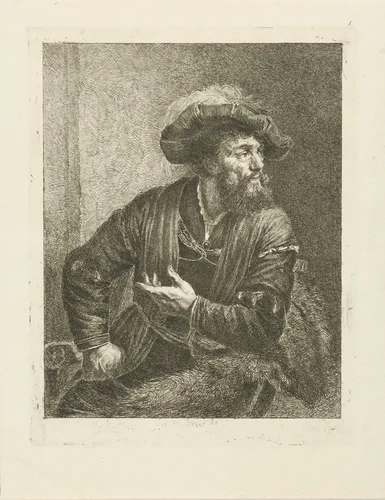
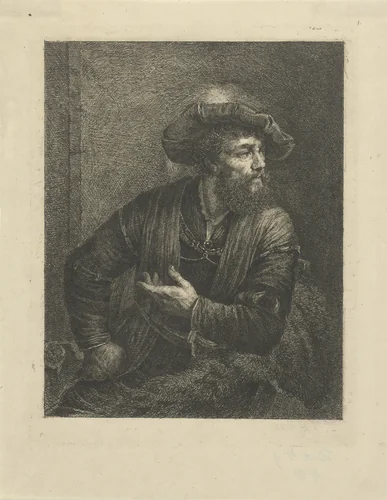
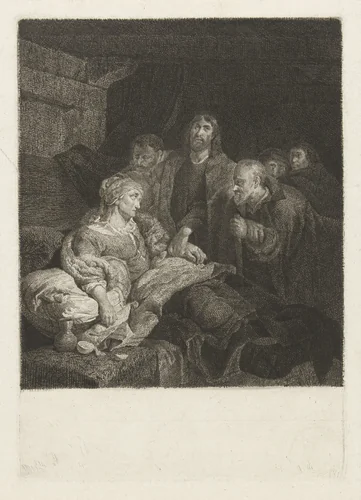
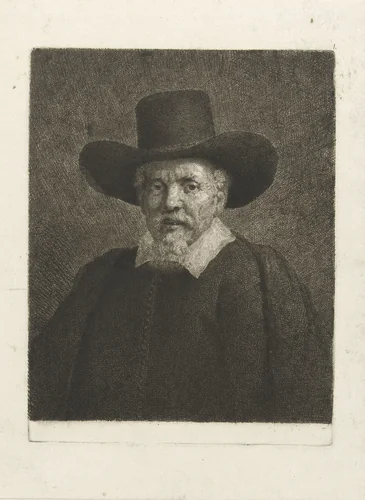
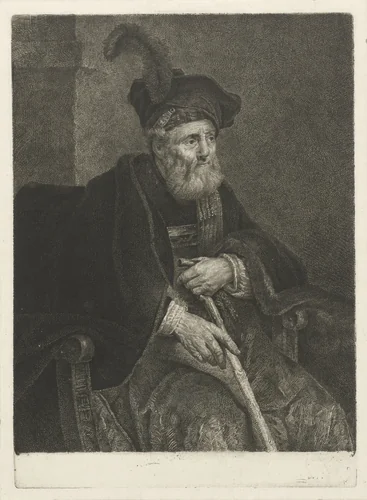
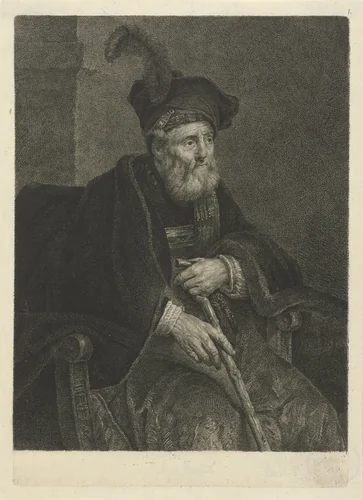
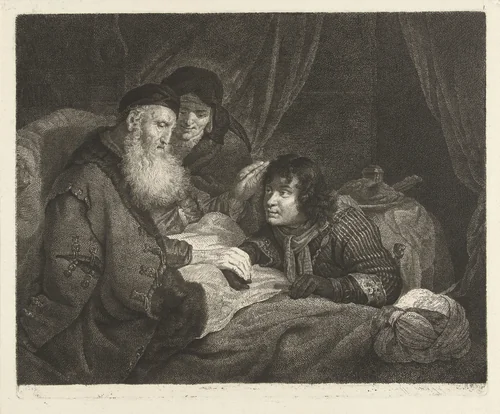
De Frey’s output, comprising at least fifteen documented prints, demonstrates a mastery of line engraving and etching techniques. His subject matter was neatly bifurcated, addressing both the popular demand for detailed genre scenes and the enduring market for traditional biblical narratives. Works such as Boer met mand op de rug (Farmer with Basket on his Back) and Boer met kruik (Farmer with Jug) exemplify his keen engagement with contemporary Dutch genre painting, translating the mundane realities of agricultural life into compelling visual documents. By contrast, his handling of spiritual narratives, including De barmhartige Samaritaan and the subtle drama of Maaltijd te Emmaüs, showcases his ability to convey emotional depth through composition. The need to succeed as both a printmaker and a publisher during this period suggests De Frey was less an ethereal artist and more a sharp-minded entrepreneur operating efficiently at the intersection of commerce and draftsmanship.
While the number of surviving Johannes Pieter de Frey paintings remains modest, the longevity and institutional preservation of his prints confirm his technical stature. His output was integral to supplying affordable imagery to a broad audience, and these works form an important part of the collection held by the Rijksmuseum in Amsterdam. Today, De Frey’s legacy continues to thrive through digital accessibility. Because much of his activity occurred before 1800, his output is generally in the public domain, allowing institutions worldwide to offer downloadable artwork derived from his originals. This democratization ensures that Johannes Pieter de Frey prints, once circulated narrowly, remain available as high-quality prints and museum-quality resources for contemporary study and appreciation.
Source: Wikipedia · CC BY-SA 4.0