Johannes Meursius
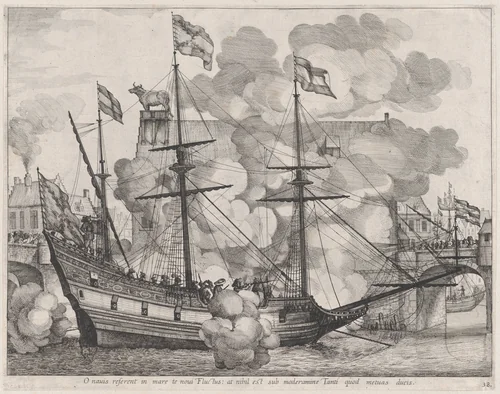
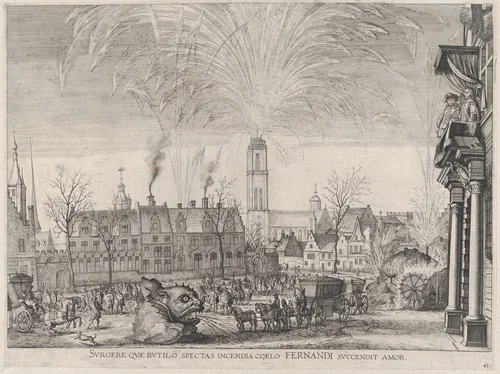
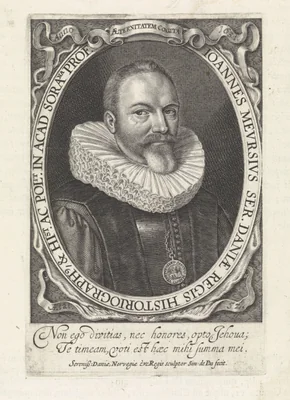
Johannes Meursius (d. 1639) is historically recognized foremost as a Dutch classical scholar and respected antiquary. Yet, his brief, highly focused activity within visual culture around 1636 left an indelible record of sophisticated Baroque ceremony. Meursius’s artistic legacy is anchored entirely in his work as a printmaker, specifically documenting the magnificent and politically charged Joyeuse Entrée of the Spanish Prince Ferdinand into the city of Ghent, an event that took place in January 1635.
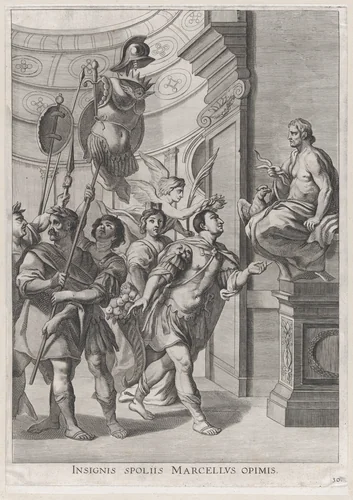
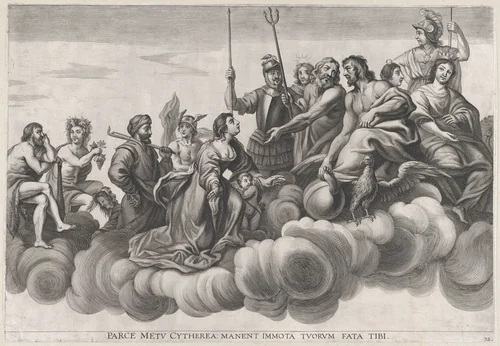
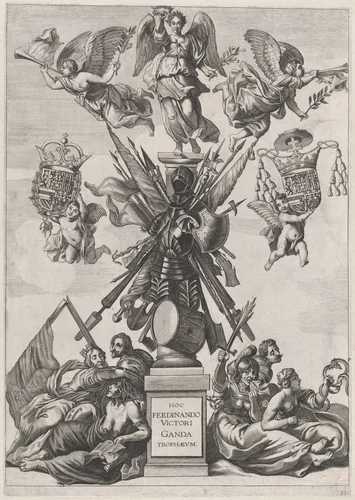
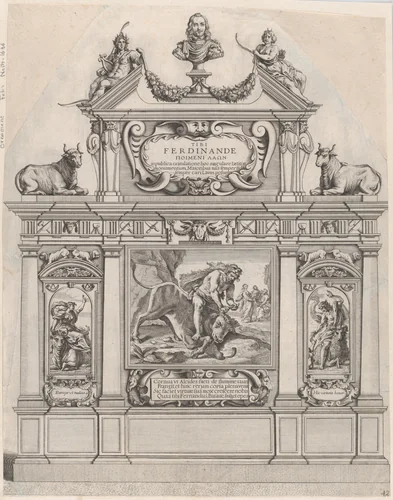
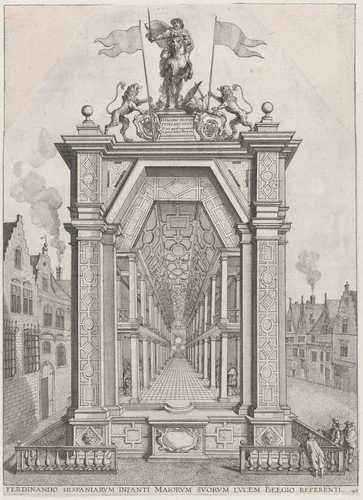
His commissions resulted in fifteen detailed plates for Guillielmus Becanus’s comprehensive commemorative volume, Serenissimi Principis Ferdinandi, Hispaniarum Infantis…. These copperplate etchings served not merely as illustrations, but as essential visual records of the temporary architectural structures erected for the procession, functioning as high-stakes political iconography. Meursius demonstrated precision in capturing both the large-scale architectural reality and the intricate classical allegories that dominated seventeenth-century courtly performance.
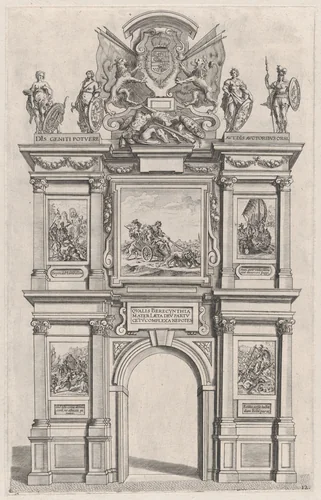
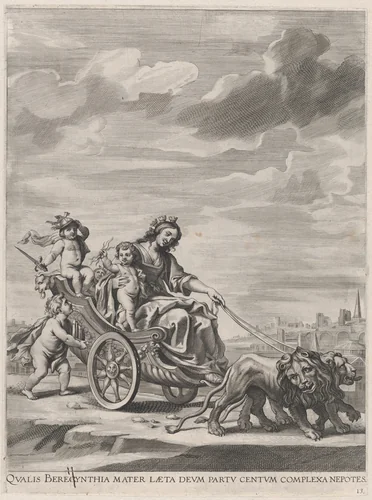
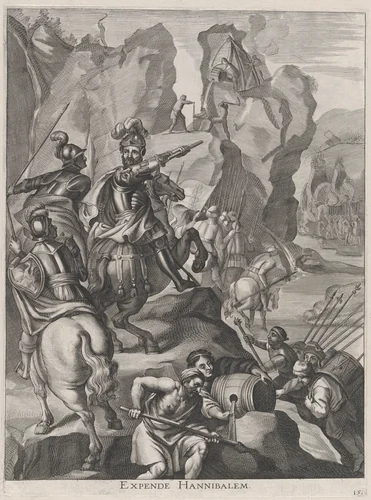
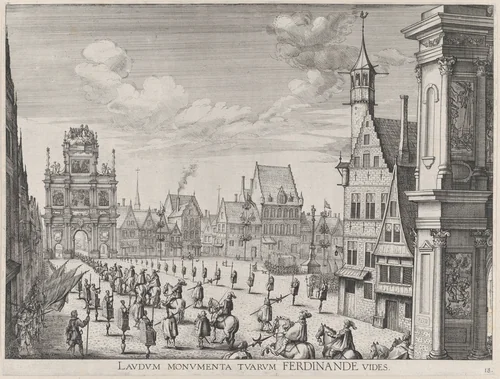
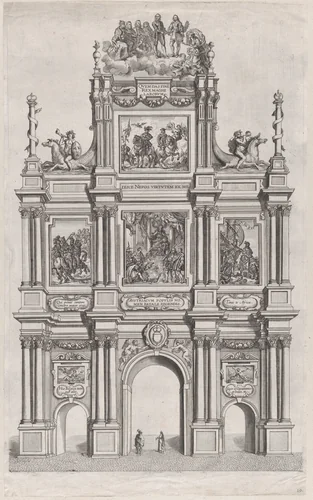
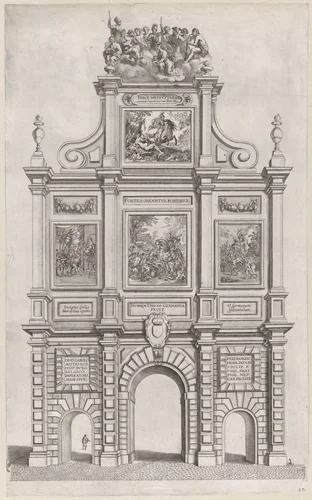
His compositions successfully merged these genres, depicting structures ranging from detailed facades, as seen in Plate 12: Triumphal arch, elevation of the back facade, to complex mythological tableaux, such as Plate 13: Cybele in her chariot, drawn by lions. Furthering the political agenda, Meursius elevated Ferdinand from Spanish governor to legendary military figure, notably in Plate 15: Ferdinand as Hannibal crossing the Alps, a piece of classical flattery often required by Baroque public relations. The procession itself was documented with reportorial clarity, exemplified by Plate 18: Procession of the Spanish Prince Ferdinand into the city of Ghent, January 28, 1635.
The enduring significance of Meursius’s contribution lies in its detailed documentation of early Baroque courtly spectacle, providing unique insight into seventeenth-century ephemeral design and political staging. Although few Johannes Meursius paintings exist-his output being concentrated entirely in graphic arts-his original Johannes Meursius prints are preserved in major institutional collections, including the Metropolitan Museum of Art. Their historical and aesthetic value ensures that high-quality prints derived from these important copper plates remain central to studies of ceremonial design. Today, these historic compositions are often available for educational purposes as public domain downloadable artwork, ensuring the visual record remains accessible and royalty-free for scholars globally.
Source: Wikipedia · CC BY-SA 4.0