Johannes Lutma
Johannes Lutma the Elder (c. 1615-1681), often recorded simply as Janus Lutma, holds a pivotal position among Dutch Golden Age craftsmen. Although his primary reputation rests on his achievements as a preeminent silversmith, his surviving artistic output reveals an equally accomplished draftsman and etcher whose graphic works offer rare, documentary insight into the aesthetics and production mechanics of seventeenth-century applied arts. His distinguished career, stretching over six decades, confirms his status as a master artisan based chiefly in Amsterdam.
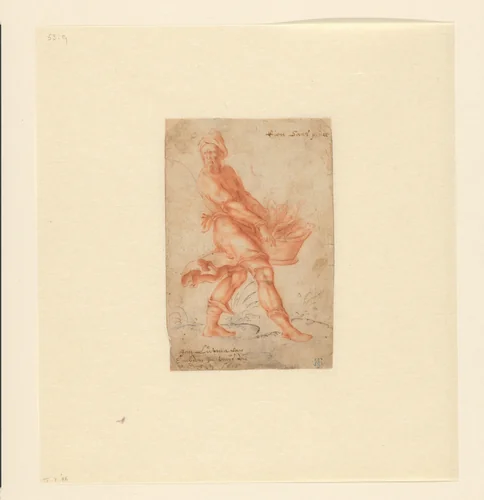
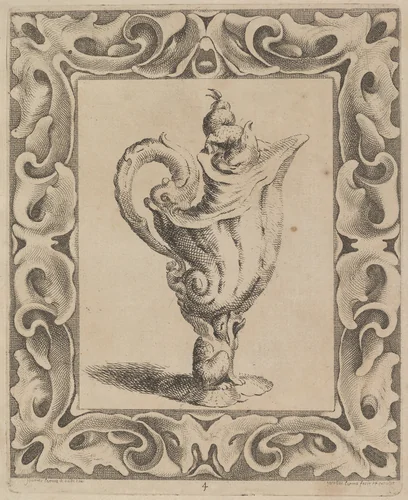
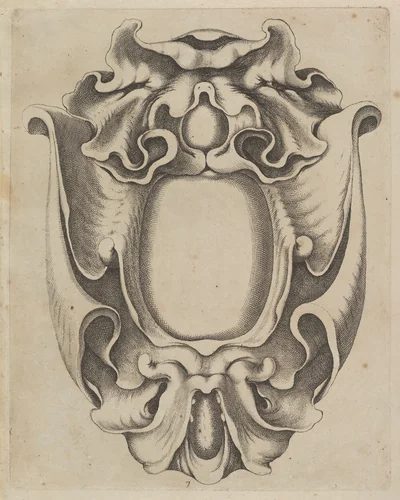
While Lutma’s grand commissions in precious metals largely defined his professional stature, the corpus of work accessible today, housed in major institutions like the Rijksmuseum and the Metropolitan Museum of Art, includes a selection of high-quality prints and drawings. These pieces often serve as reflections on his primary vocation. For instance, the print Sculptor (?) with a Basket Full of Statuettes appears to document the specialized production methods required for intricate metalwork or small-scale sculpture, capturing the tools and ancillary labor involved in creating objects often relegated to the decorative arts category.
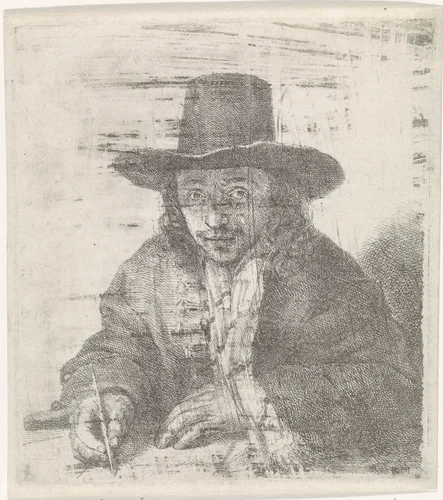
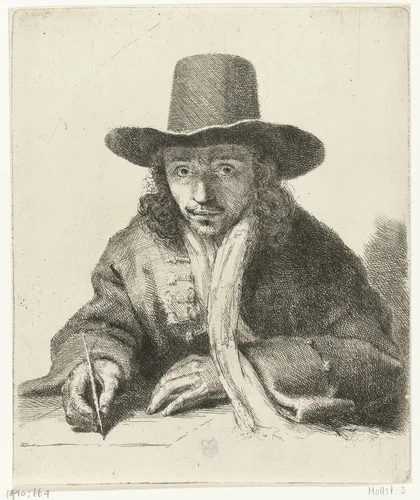
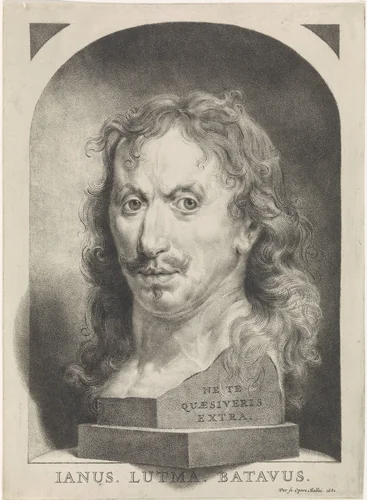
Lutma’s commitment to self-documentation is particularly notable. He produced several known self-portraits, such as the compelling print Zelfportret van Johannes Lutma, tekenend, where he deliberately portrays himself not merely as a technician of metal but as an intellectual artist, captured mid-sketch. This conscious elevation of status through self-representation speaks directly to the shifting regard for skilled craftsmen during the Dutch Golden Age.
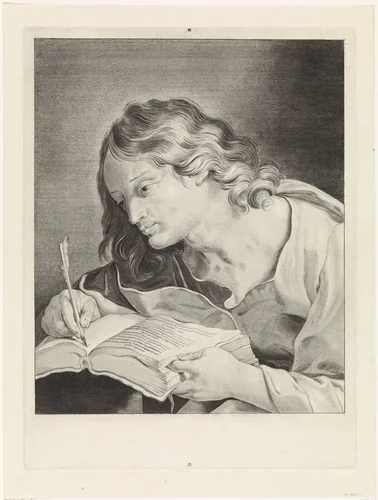
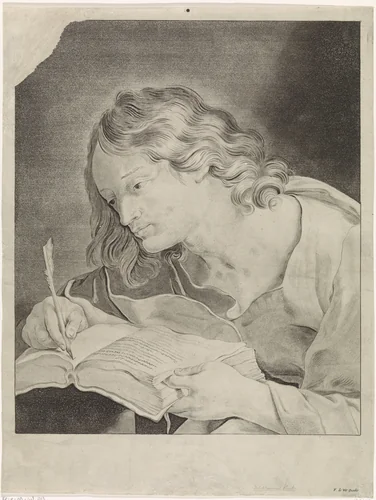
Furthermore, his engagement with printmaking indicates a savvy understanding of broader dissemination. The multiple iterations of religious themes, such as the two known versions of Johannes de Evangelist, schrijvend in een boek, suggest that these images may have been intended for commercial distribution. In modern context, such etchings provide compelling subjects for downloadable artwork, expanding the availability of free art prints from the period. Lutma’s relatively concise surviving graphic record, comprising five known prints and a handful of drawings, ensures his visibility long after many of his ephemeral silver creations were dispersed. He stands as an exceptional example of a Golden Age master whose technical skill transcended medium, leaving a legacy crucial for understanding the intersection of draftsmanship and the decorative arts in the Netherlands.
Source: Wikipedia · CC BY-SA 4.0