Johannes Lingelbach
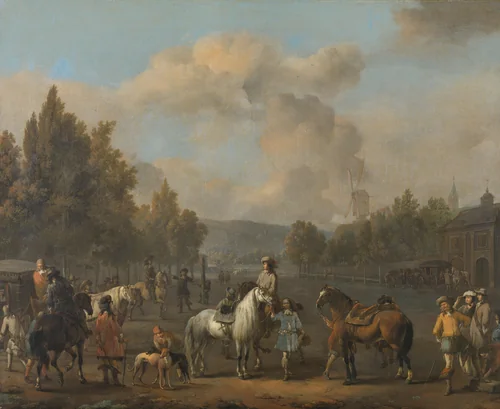
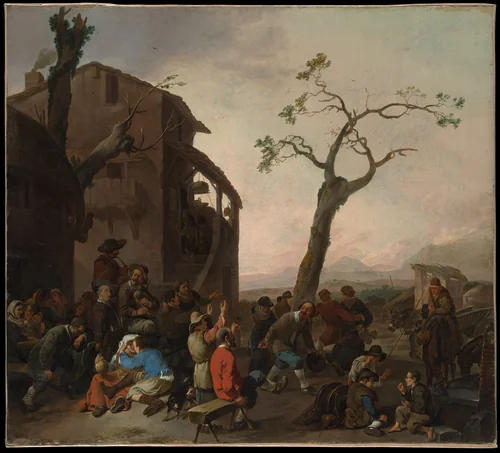
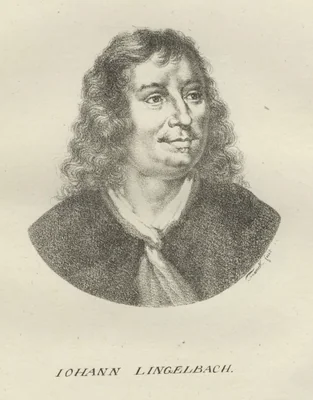
Johannes Lingelbach (1622-1674) holds a significant position among the Dutch Golden Age painters who traveled south, fully absorbing the visual culture of Italy. Active between 1644 and 1671, he is fundamentally associated with the second generation of the Bambocciate, a group of northern European genre specialists based in Rome who focused on naturalistic, often chaotic scenes of quotidian life. Unlike many of his predecessors in the movement, Lingelbach mastered the complex integration of detailed, energetic figures within grand, sun-drenched architectural settings, effectively bridging the detailed realism of the North with the light and scale of the Italian peninsula.
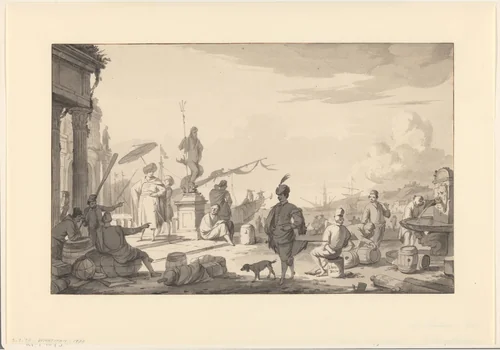
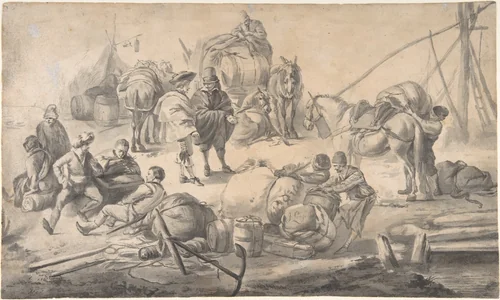
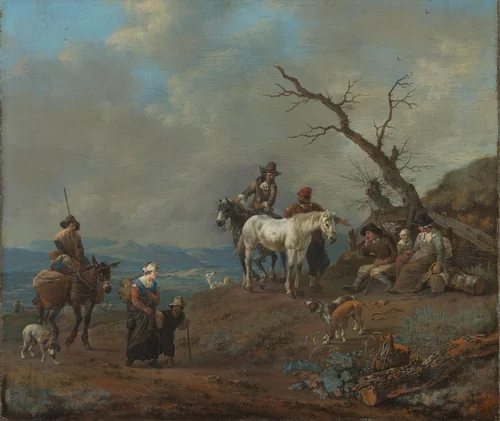
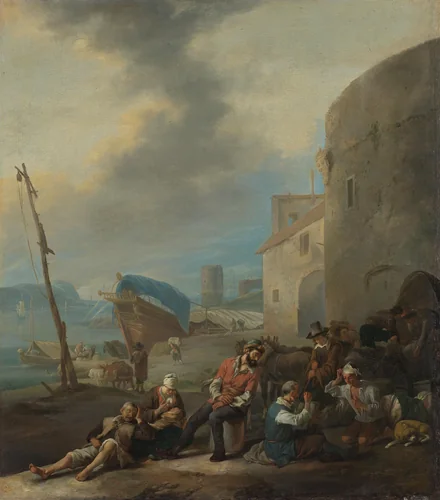
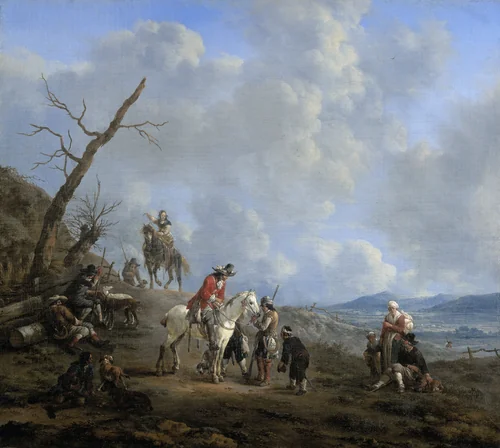
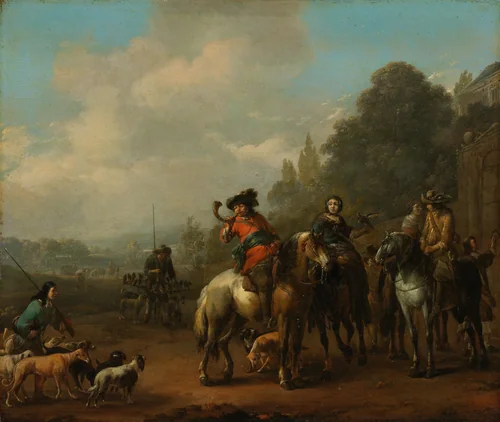
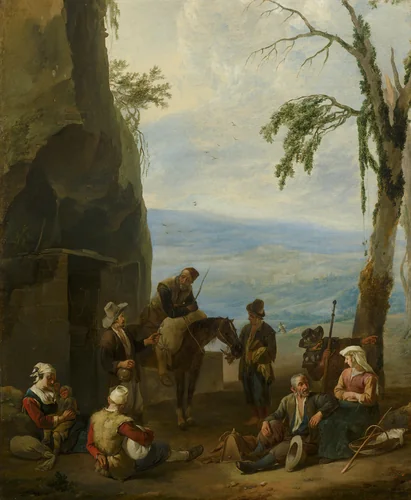
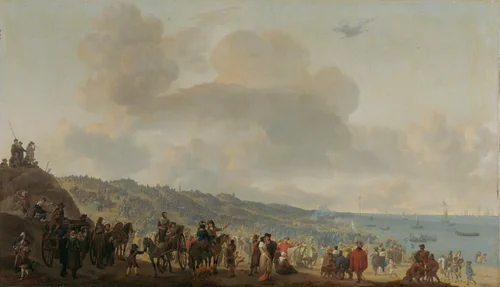
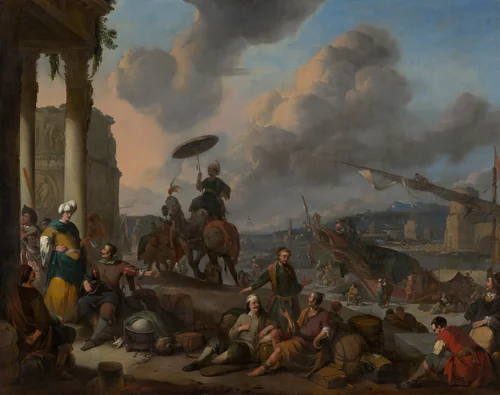
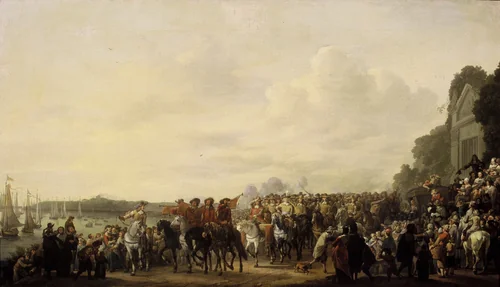
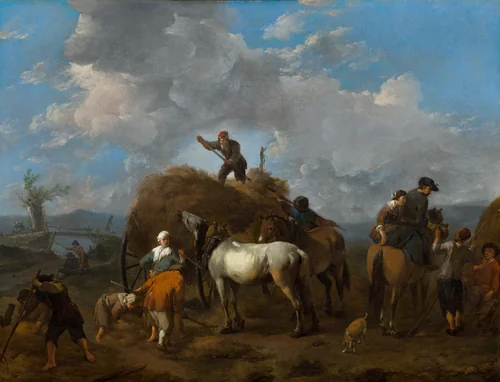
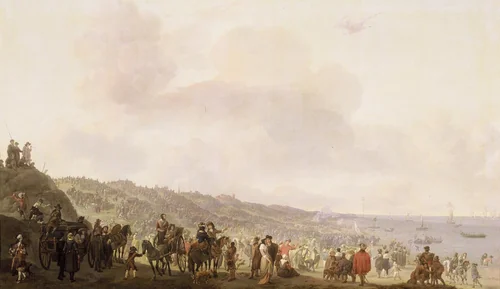
Lingelbach’s prolific output demonstrates a consistent focus on the bustling, clamorous Mediterranean world. Works such as Kade van een Oosterse haven and Italian Harbor showcase his technical mastery in rendering busy quaysides, market crowds, and exotic ports. His compositions are characterized by a striking liveliness; he populated his canvases with a cast of characters ranging from Turkish merchants and soldiers to beggars and hunters, as seen in Country Road with Hunter and Peasants. This dedication to documenting the precise chaos and activity of the common populace, often overlooked by those pursuing formal history painting, provides a fascinating, detailed record of seventeenth-century street life.
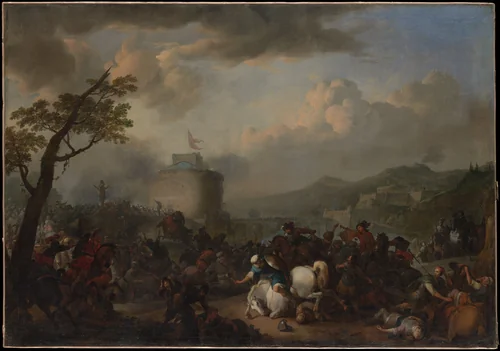
After his crucial years spent in Italy, Lingelbach returned to Amsterdam, successfully transplanting the Roman visual sensibility into the Netherlands. His output, which includes five notable paintings and two drawings, solidified his reputation as an innovator in Italianate genre painting. Today, his Johannes Lingelbach paintings are found in prestigious collections globally, including the Rijksmuseum, the Mauritshuis, and the Metropolitan Museum of Art, affirming their museum-quality status. Due to their age and historical importance, many of his significant images are now in the public domain, allowing access to high-quality prints and downloadable artwork for scholars and enthusiasts alike. His singular ability to capture the vivacity and grit of the street, bathed in Roman illumination, ensures his permanent place in the canon of Dutch art.
Source: Wikipedia · CC BY-SA 4.0