Johannes Jelgerhuis
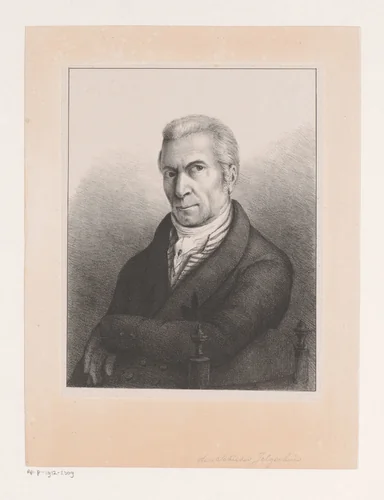
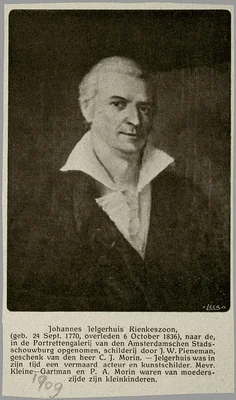
Johannes Jelgerhuis (active 1786-1830) occupied a unique and compelling position in early 19th-century Dutch culture, maintaining parallel careers as both a celebrated stage actor and a respected visual artist. This dual practice allowed him to transition seamlessly between performance and documentation, resulting in a small but focused body of work that captures the theatrical and political energies of the late 18th and early 19th centuries. His artistic output, comprising approximately six known paintings and nine documented prints, is preserved in significant national collections, notably that of the Rijksmuseum.
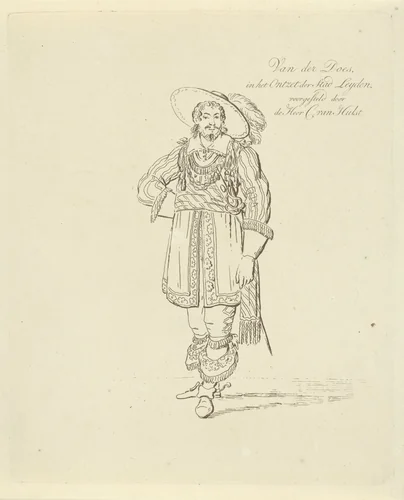
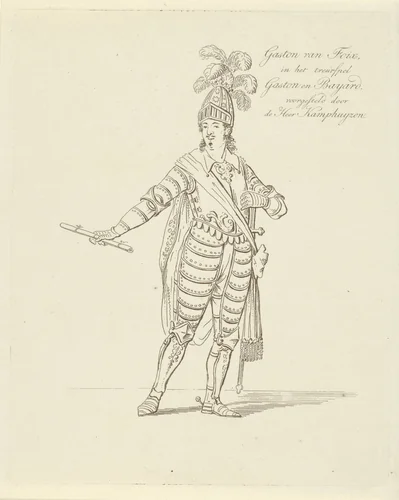
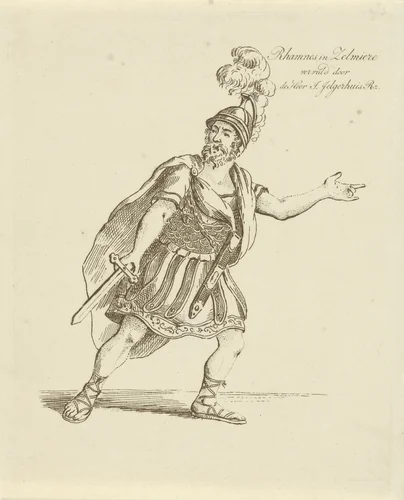
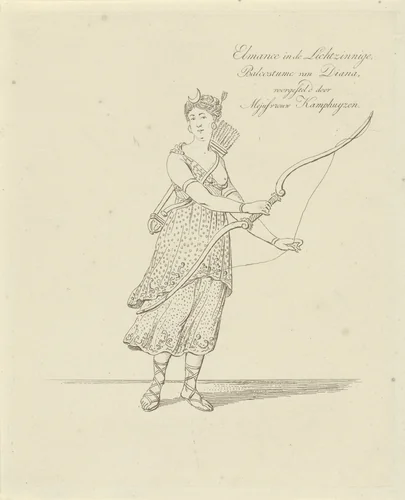
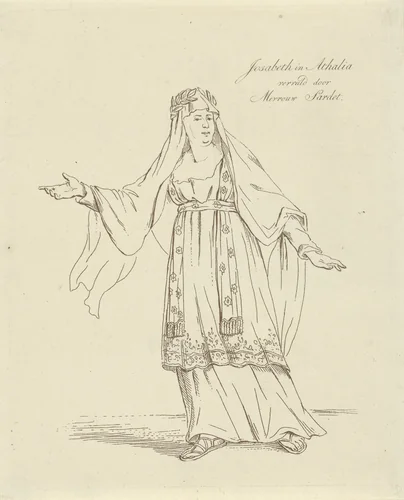
Jelgerhuis’s artistic specialization centered on character portraiture, often capturing his contemporaries not in formal attire, but in media res or deep in theatrical roles. These works move beyond conventional commissioned likenesses to emphasize the dramatic energy and costume design of the period. Key examples include the powerful depiction of C. van Hulst in de rol van Van der Does and the dignified portrayal of Mevrouw Kamphuijzen in de rol van Diana. This visual record of staged performance is perhaps best encapsulated by his own self-documentation, the striking Johannes Jelgerhuis in de rol van Rhamnes. Such works often circulated as high-quality prints, providing the general public a lasting record of favorite performers and historical roles.
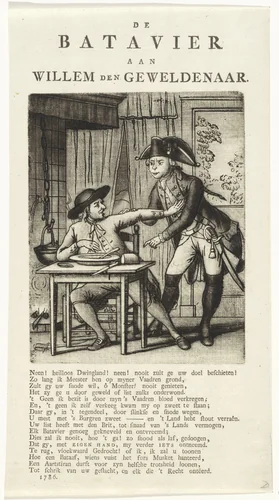
Beyond the intimate world of the stage, Jelgerhuis demonstrated a sharp awareness of political reality. One of his earliest surviving pieces, the 1786 print Spotprent op Willem V die een Gelderse boer zijn eten wil afnemen, offers a pointed and humorous critique of political tensions during the declining years of the Stadtholderate. It is perhaps unsurprising that an artist so adept at portraying high drama on stage would be equally skillful in capturing political absurdity off it. Though his catalog of Johannes Jelgerhuis paintings is modest, his focus on the expressive capacity of the human figure, whether in satire or performance, provides invaluable documentation. Today, much of this material resides in the public domain, available as downloadable artwork, ensuring its continued study by scholars interested in Dutch character study and theatrical history.
Source: Wikipedia · CC BY-SA 4.0