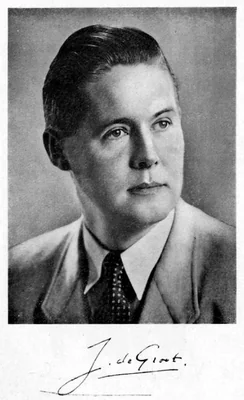
Johannes de Groot
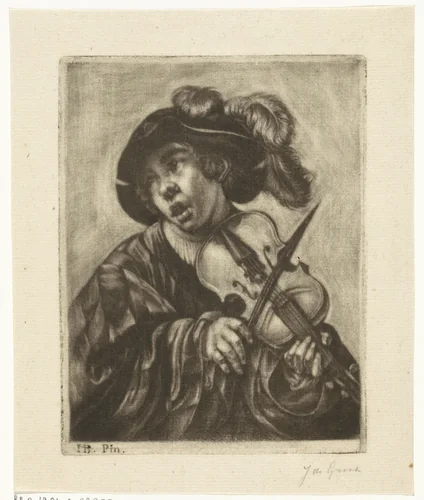
Johannes de Groot secured his historical footnote within the late Dutch Golden Age, active primarily between 1679 and 1698. His artistic legacy rests on a concise but focused body of graphic work, comprising two known drawings and thirteen surviving prints, the majority of which are conserved today within the comprehensive collection of the Rijksmuseum.
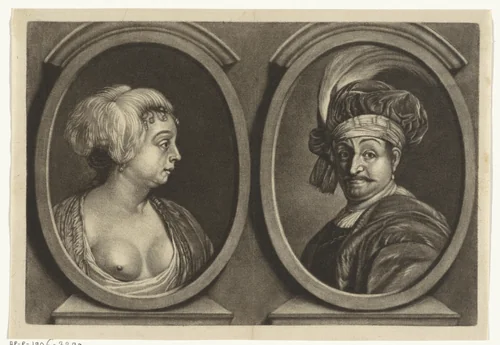
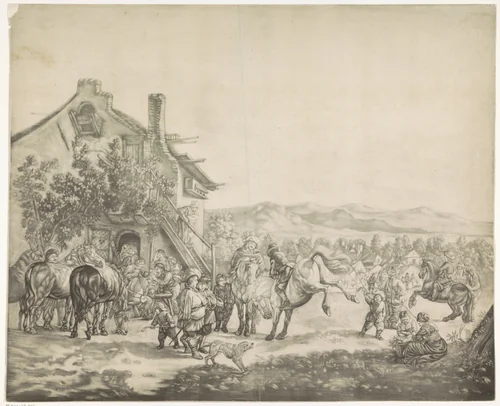
De Groot operated within the well-established tradition of 17th-century genre scenes, specializing in the depiction of peasant life and intimate, often humorous, domestic episodes. His printmaking captured the casual, unscripted reality of everyday existence, a thematic interest prevalent among his contemporaries. Works such as Herbergscène and Boerenherberg offer meticulously rendered glimpses into the communal, sometimes rowdy, atmosphere of Dutch taverns. These scenes, though ostensibly simple, required a sophisticated command of composition to balance narrative density with sharp, economic line work.
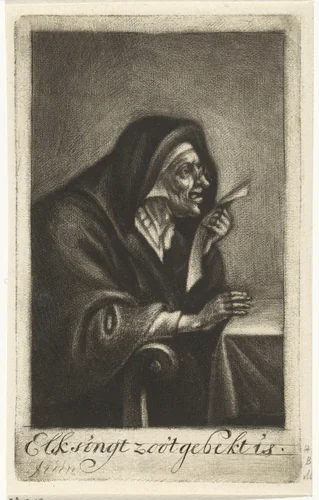
A closer look at specific character studies reveals De Groot’s eye for human behavior and mild comedy. The print Een vrouw luist een man (A woman delousing a man) or the curious study Gehurkte man voor een spiegel (Squatting man before a mirror) treat mundane moments as worthy subjects, utilizing the print medium to disseminate these intimate observations to a wider audience. De Groot’s reliance on prints, rather than painting, ensured his stylistic innovations were accessible.
The technical proficiency necessary to produce such durable, high-quality prints contributes to their lasting appeal. Today, the enduring interest in these works has led to the inclusion of many Johannes de Groot prints within institutional databases, ensuring that this segment of historical art is widely available as downloadable artwork for researchers and enthusiasts alike. The careful cataloging of these pieces highlights the artist’s unique contribution to the visual record of his time. It is a curious footnote for the scholar, however, that the name Johannes de Groot is also famously attached to a leading Dutch topologist who worked centuries later, a dual identity that occasionally lends an unexpected layer of complication to the provenance and indexing of his 17th-century graphic output.
Source: Wikipedia · CC BY-SA 4.0