Johannes Bosboom
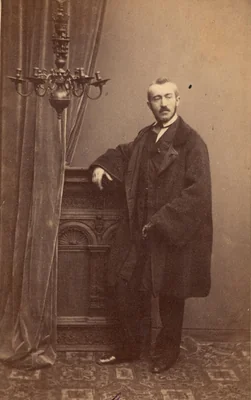
Johannes Bosboom (1817-1891) established himself as a central figure in 19th-century Dutch art, principally recognized for defining the modern interpretation of the church interior genre. A versatile painter and prolific watercolorist, Bosboom was a foundational member of the Hague School, whose realist objectives shaped the trajectory of Dutch visual arts during his active period from 1825 to 1846.
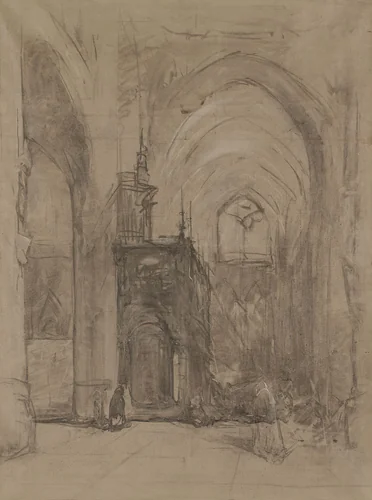
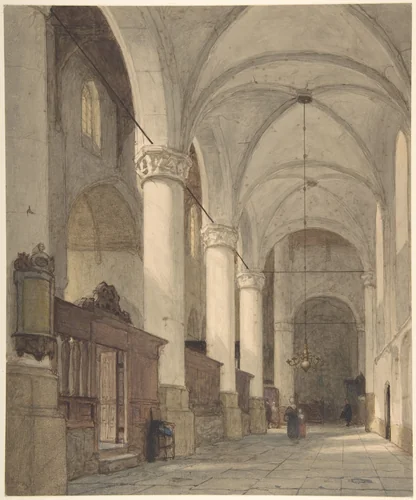
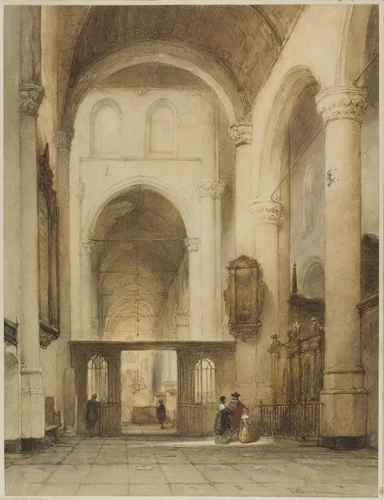
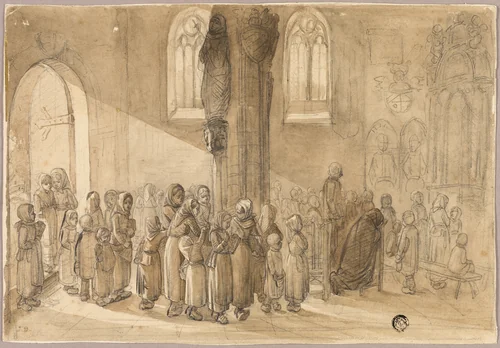
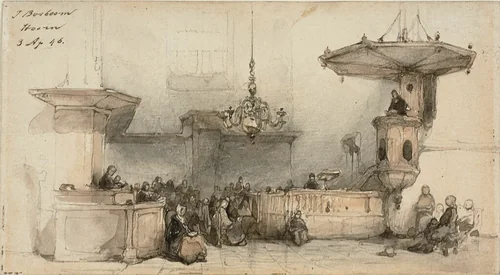
Unlike his 17th-century predecessors, who often prioritized strict architectural precision, Bosboom treated the ecclesiastical space less as a static blueprint and more as an atmospheric container for light and human activity. Works such as Gezicht op het oxaal van de St Janskerk te 's-Hertogenbosch and Vaulted Side Aisle of a Church, with Figures demonstrate his masterful technique in rendering the complex interplay of shadow and diffused daylight filtering through high windows. His ability to fuse intricate architectural detail with intimate genre observations, often featuring small, indistinct figures performing daily rites like the First Communion, lent his church interiors an exceptional sense of tranquility and scale. This focus on capturing shifting light and atmosphere marked a significant departure from Neoclassical rigidity, aligning him firmly with the rising European Realist movement.
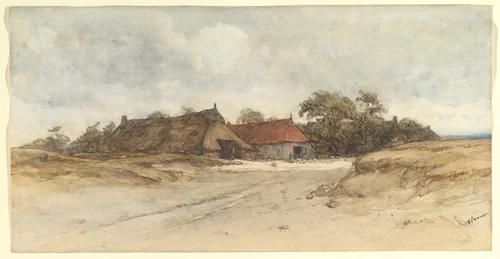
One interesting observation about Bosboom is that despite his profound documentation of these sacred spaces, his paintings rarely feel overtly religious; they remain focused on the visual physics and mood of the environment. His early versatility, however, is evident in secular pieces such as Farmhouses. Bosboom’s dedication to depicting the environment and the effect of light solidified his position as the premier interpreter of this genre in the 19th century, influencing successive generations of realist painters who sought atmosphere over narrative grandiosity.
Today, important Johannes Bosboom paintings and preparatory works are held in prestigious international institutions, including the Rijksmuseum, the Metropolitan Museum of Art, and the Art Institute of Chicago. Through these museum-quality collections, much of his downloadable artwork has entered the public domain, allowing access to high-quality prints and facilitating continued scholarship and appreciation of his concise yet impactful artistic career.
Source: Wikipedia · CC BY-SA 4.0