Johann Theodor de Bry
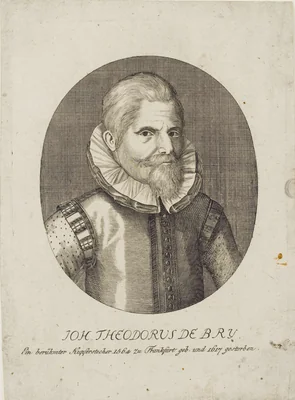
Johann Theodor de Bry (active 1528-1580) stands as a significant figure in the history of Northern European printmaking, recognized equally for his dual role as a master engraver and a dynamic publisher. Operating during a critical period when reproductive prints became the primary vehicle for artistic and intellectual exchange across the continent, de Bry’s robust output was instrumental in circulating visual culture. His technical proficiency ensured that his compositions, such as the fifteen works currently attributed to him, achieved a notable finesse that guaranteed their widespread appeal and longevity.
The enduring appeal of these finely executed works is demonstrated by the fact that significant examples of Johann Theodor de Bry prints are held in the collections of major institutions, including the Cleveland Museum of Art and the Metropolitan Museum of Art, confirming their museum-quality and historical importance.
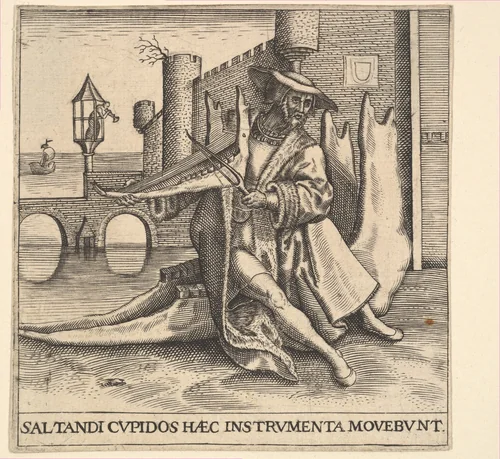
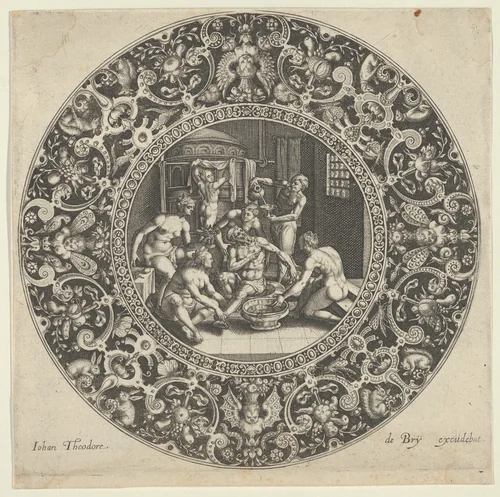
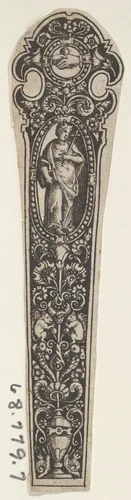
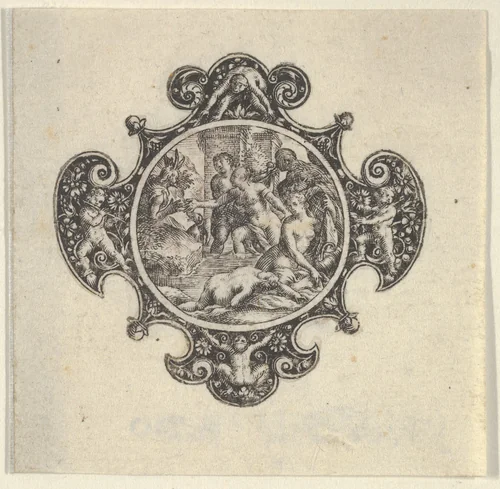
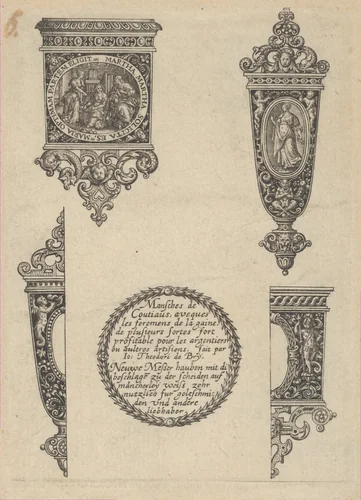
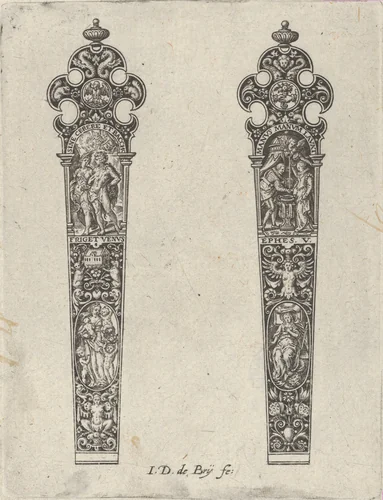
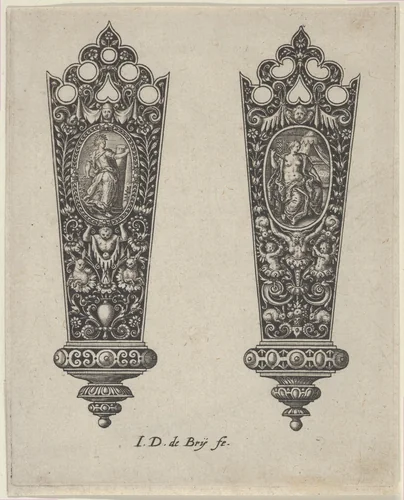
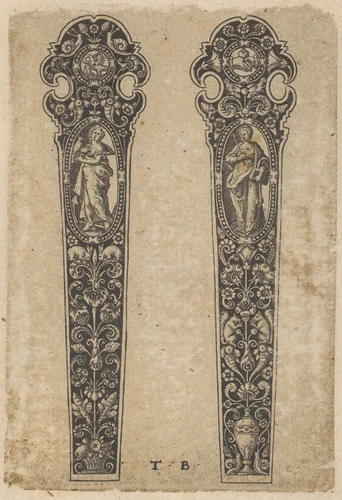
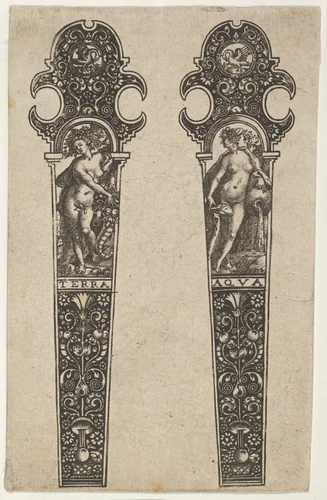
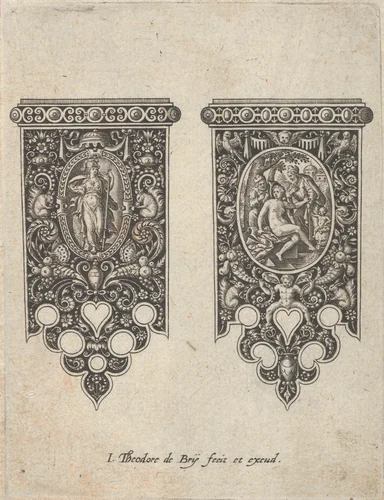
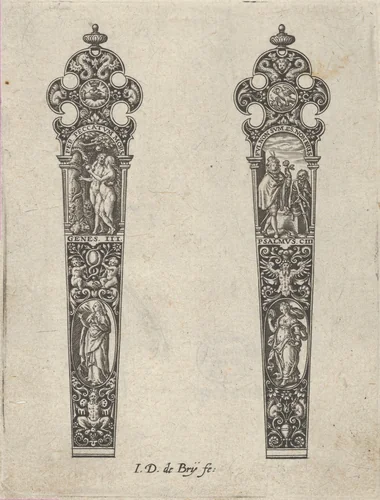
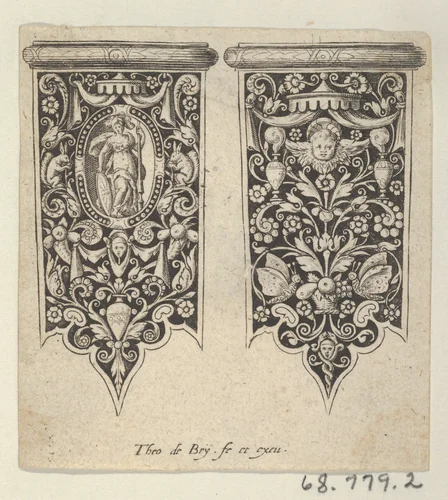
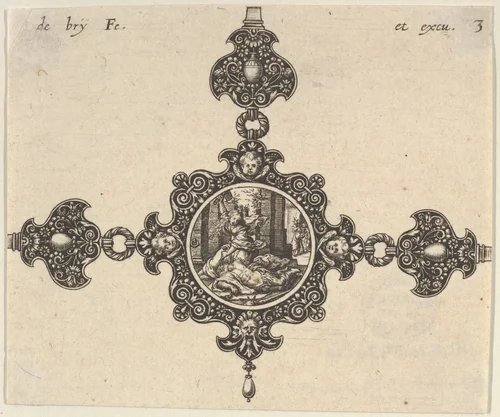
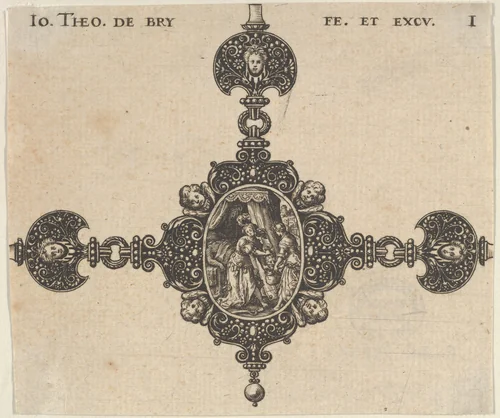
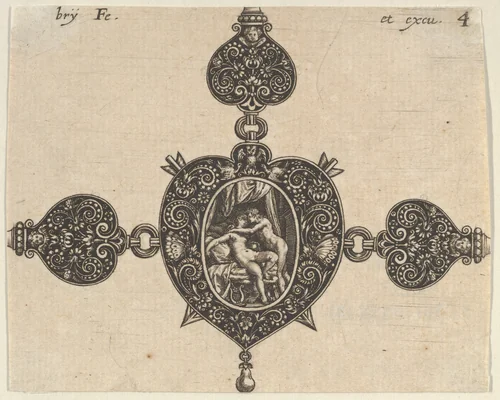
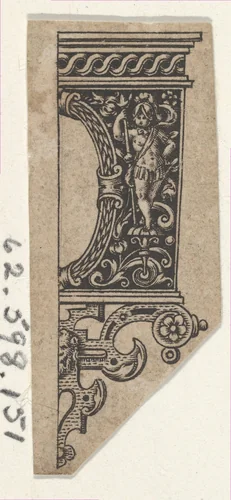
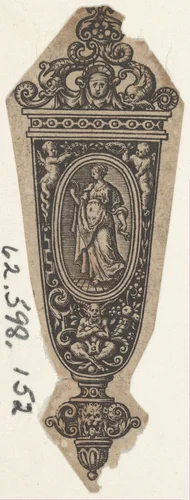
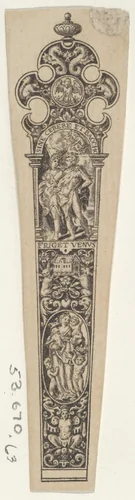
De Bry excelled across a varied iconography, with his practice encompassing sophisticated allegories, classical narratives, and intricate designs for the decorative arts. Pieces like The Rich Man Playing Violin on a Jaw Bone demonstrate a keen engagement with the moralizing fables prevalent in the 16th century, delivered with sharp detail and dramatic composition. Conversely, works like Sardanapal in the Bath reveal his aptitude for interpreting classical texts and mythologies for a burgeoning educated audience. Perhaps most telling of his publisher’s eye for market demand is his precise rendering of functional objects, evidenced by the Copy of a Design for a Knife Handle with the Personification of Faith. This design showcases how printmaking provided essential models for craftsmen working in luxury media.
As both an artist who created original works and a publisher who disseminated the designs of others, de Bry played a crucial role in standardizing and spreading late Renaissance aesthetics across the Low Countries and Germany. Today, his surviving copperplate prints are valued not only for their technical merit but also for the historical documentation they provide of contemporary tastes. Given their age and historical importance, much of his corpus now resides in the public domain. This accessibility allows researchers, educators, and enthusiasts worldwide to access and utilize high-quality prints of his work, often available as downloadable artwork directly from institutional archives, offering invaluable access to 16th-century visual media.
Source: Wikipedia · CC BY-SA 4.0