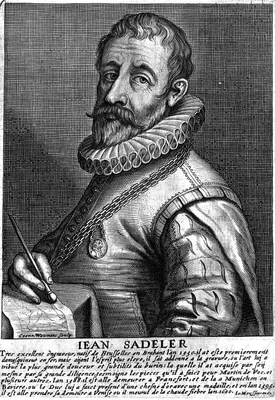
Johann Sadeler
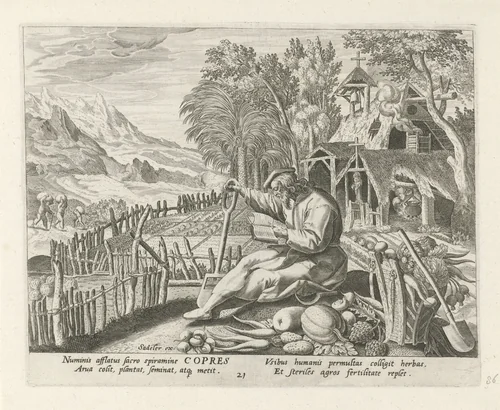
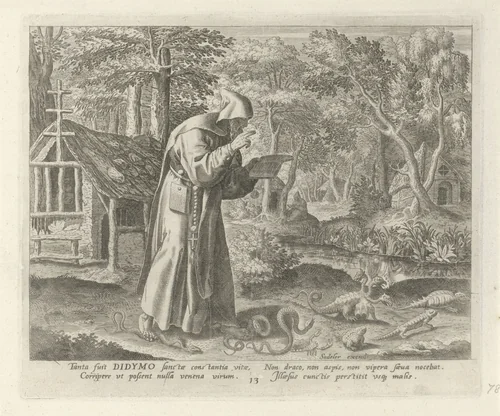
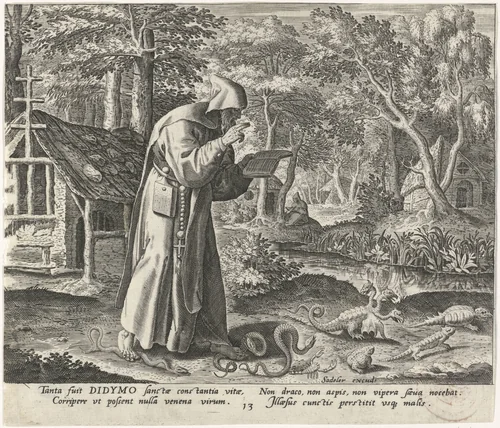
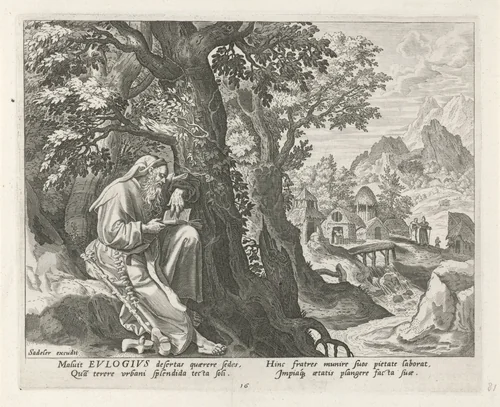
Johann Sadeler was an artist active primarily in printmaking during the mid-to-late sixteenth century, with documented production spanning the period from 1560 to 1575. His documented works establish him as a significant figure in historical print culture. The scholarship surrounding Johann Sadeler is supported by a key collection of his work preserved at the Rijksmuseum.
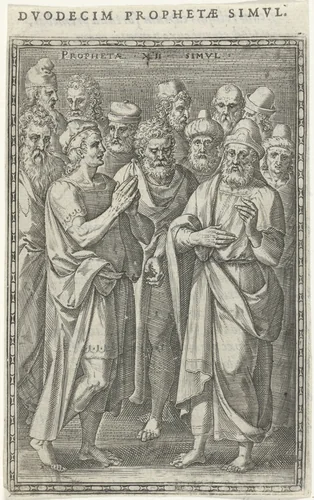
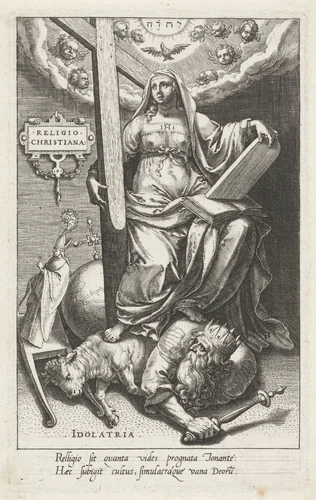
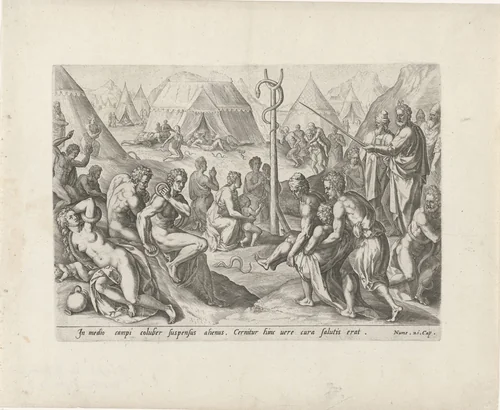
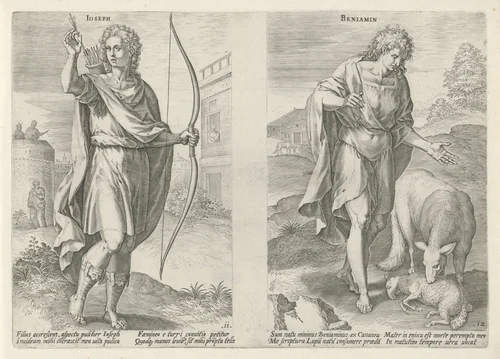
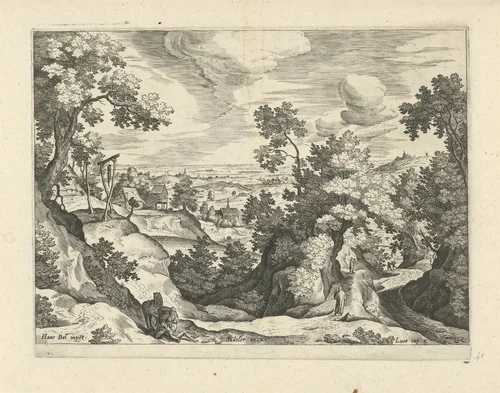
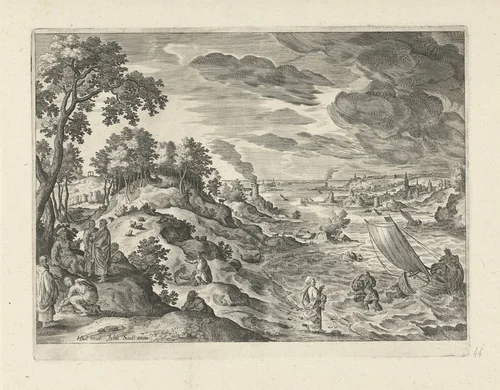
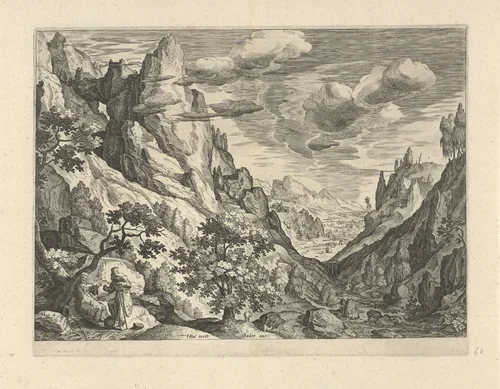
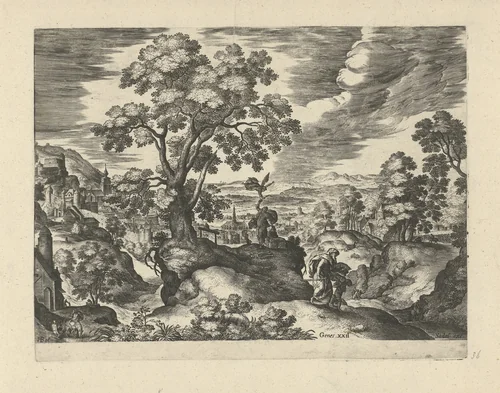
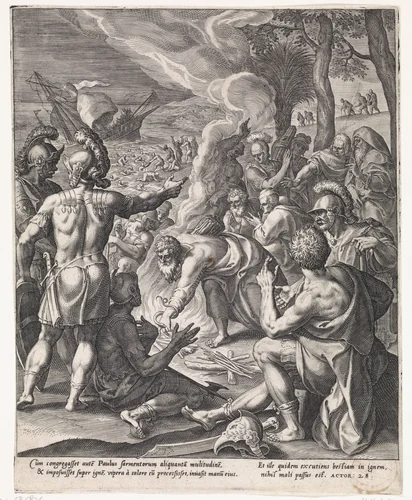
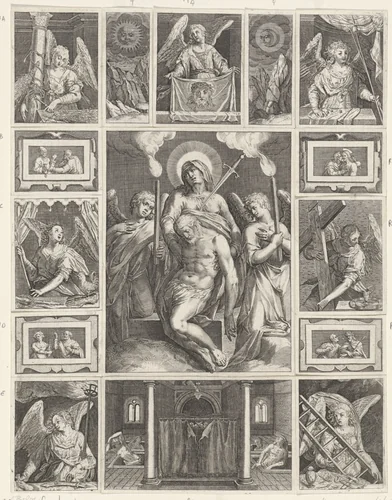
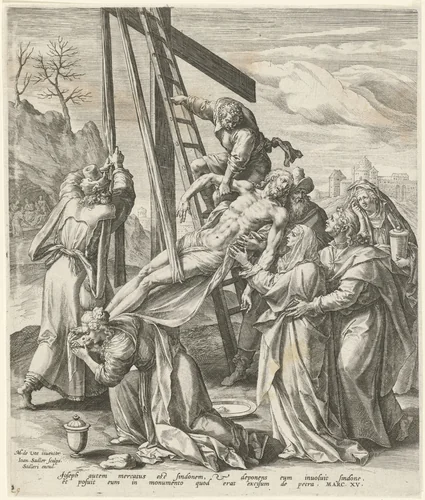
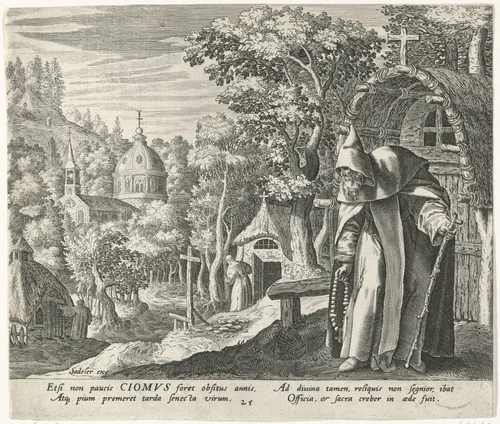
The existing body of work held in institutions suggests Sadeler focused heavily on religious themes derived from the New Testament, alongside descriptive genre scenes. Notable examples of his devotional output include Christus in de tuin van Getsemane, Bewening van Christus (The Lamentation of Christ), and Christus voor Kajafas. His prints also encompassed daily life, represented by works such as Dorpsgezicht met rechts een huifkar (Village view with a wagon on the right). In total, 15 Johann Sadeler prints are represented across major collections, providing a strong basis for scholarly examination.
As historical graphic works, the surviving prints maintain substantial art historical value. Their detailed execution identifies them as desirable museum-quality objects. Due to their age, these original sixteenth-century images often reside in the public domain, making high-quality reproductions available today as downloadable artwork for educational and non-commercial purposes.