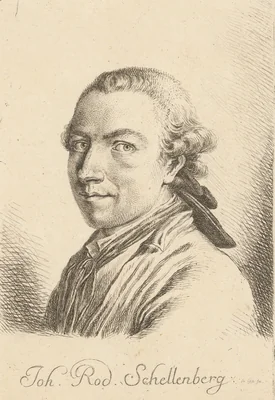
Johann Rudolph Schellenberg
Johann Rudolph Schellenberg (1740-1781) was a pivotal figure in 18th-century Swiss intellectual life, successfully merging the disciplines of fine art, literature, and natural science. Prolific across his active period, Schellenberg achieved lasting significance not only as a writer and painter but primarily as a master illustrator dedicated to entomological subjects. This unique focus positioned him at the forefront of the Enlightenment drive to classify and visualize the natural world with exacting precision and artistic integrity.
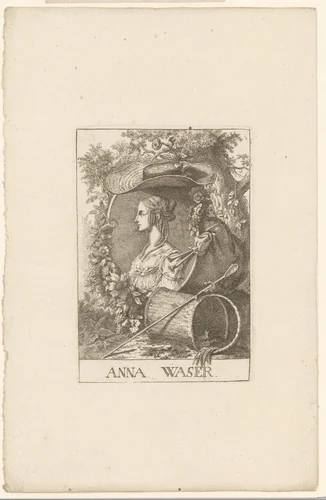
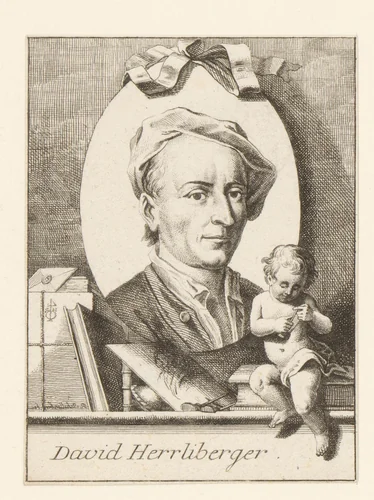
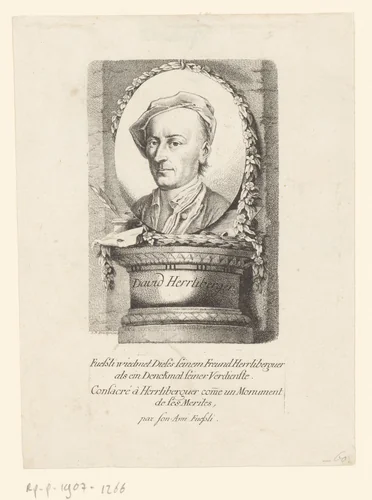
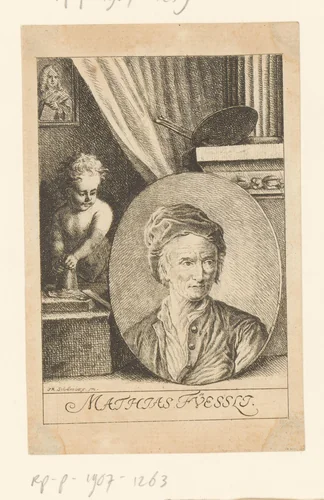
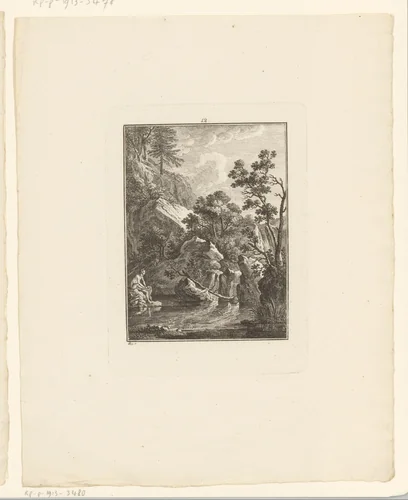
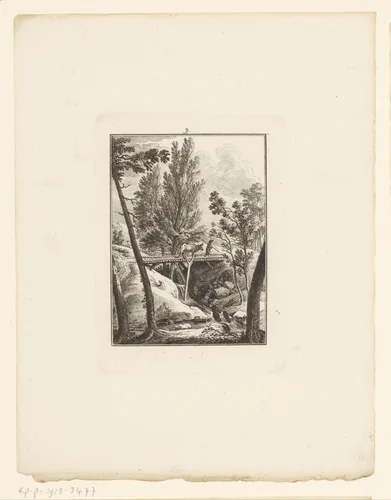
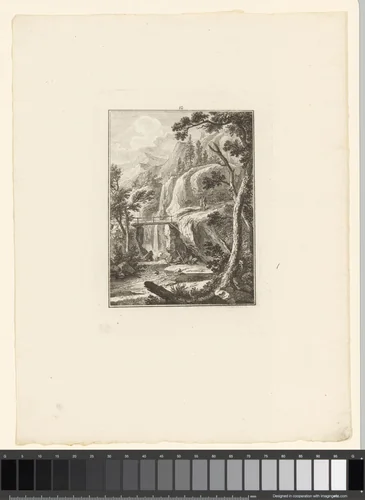
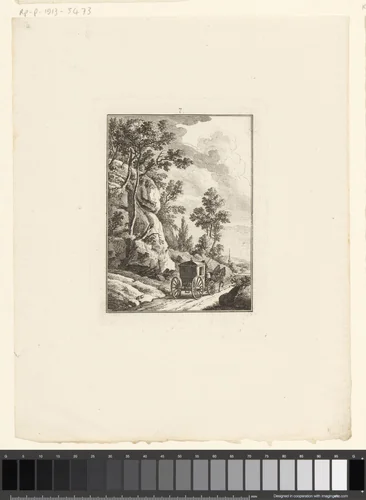
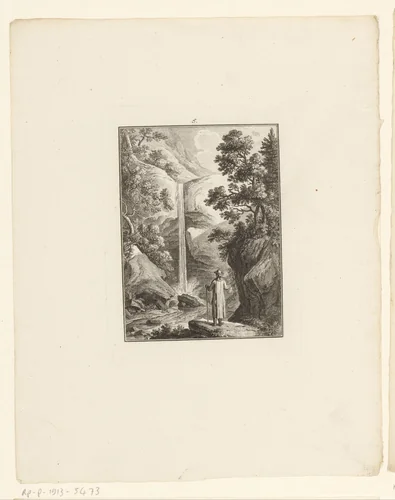
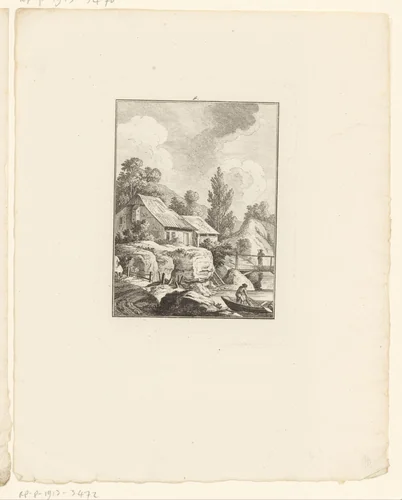
His technical command is evident across his surviving body of work, which includes delicate ink and graphite drawings alongside sophisticated copperplate prints. While his portfolio includes significant figurative works, such as the commissioned portraits Portret van Anna Waser and Portret van David Herrliberger, his critical legacy rests on his detailed observations of insects. These studies transcended mere technical diagrams, presenting their minute subjects with an anatomical clarity and compositional elegance that elevated the status of scientific illustration.
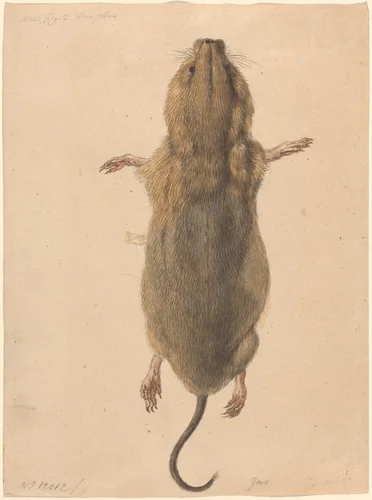
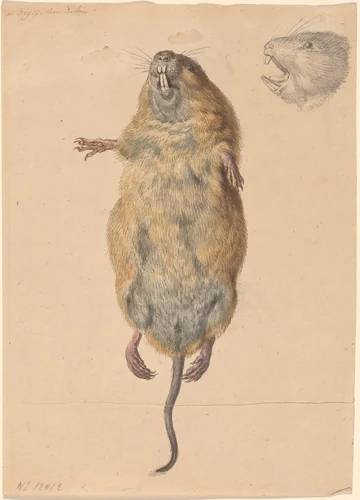
Schellenberg demonstrated an almost whimsical dedication to documentation, exploring creatures from every conceivable perspective. This methodology is perfectly encapsulated in companion studies such as A Field Mouse, from Above and A Field Mouse, from Below, which reflect an intense, almost obsessive focus on accurate rendering. The artist’s insistence on detail ensures that interest in Johann Rudolph Schellenberg prints remains consistently high among scholars and naturalists alike.
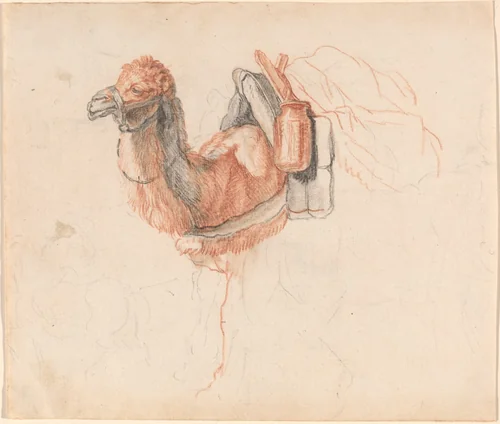
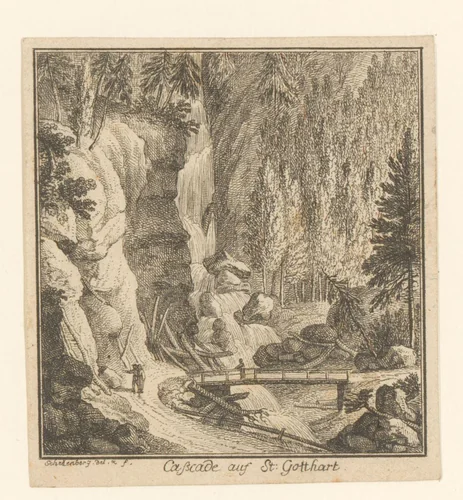
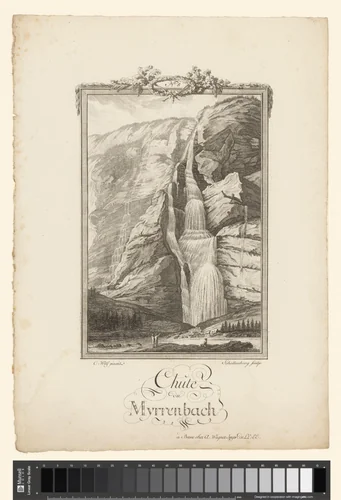
The sheer quality of Schellenberg’s draftsmanship secured his place in major international collections. His remaining output, comprising 11 known prints and four drawings, is preserved in institutions such as the Rijksmuseum and the National Gallery of Art. Today, the enduring value and museum-quality detail of these historic illustrations benefit modern accessibility. Because many of these works are now firmly in the public domain, they are available as high-quality prints, ensuring his significant contribution to both art history and entomology continues to influence new generations of visual thinkers.
Source: Wikipedia · CC BY-SA 4.0