Johann Heinrich Wilhelm Tischbein
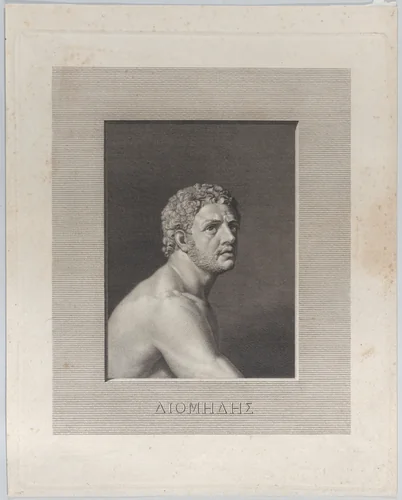
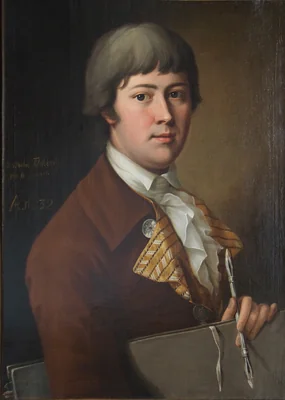
Johann Heinrich Wilhelm Tischbein (1726-1803), a distinguished member of the extended Tischbein family of German painters, holds a singular position in the history of German Neoclassicism. He is perhaps most widely recognized through his deep professional association with the writer Johann Wolfgang von Goethe, an alliance so defining that it earned the artist the enduring moniker, “the Goethe Tischbein.” Tischbein’s extended career, stretching across seven decades, saw him contribute significantly to late eighteenth-century European art, primarily through portraiture, detailed genre scenes, and idealized landscapes.
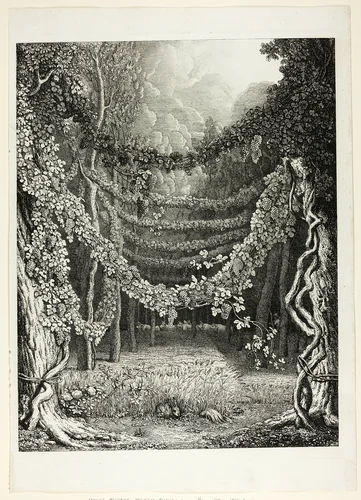
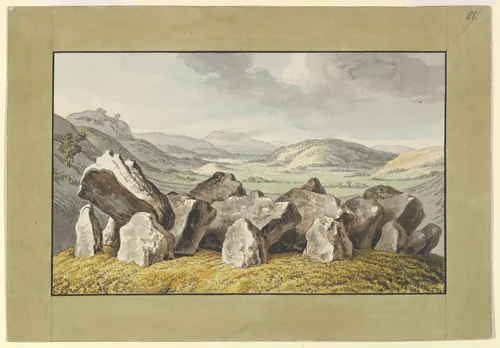
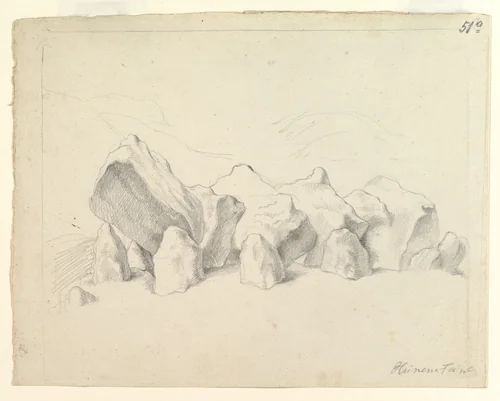
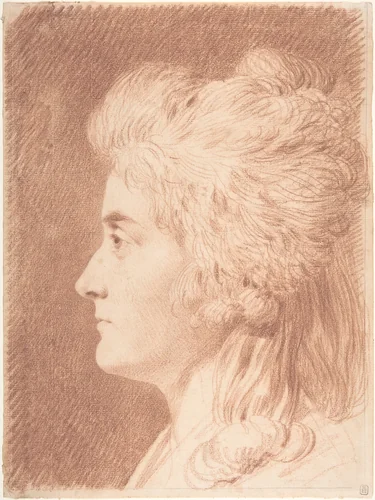
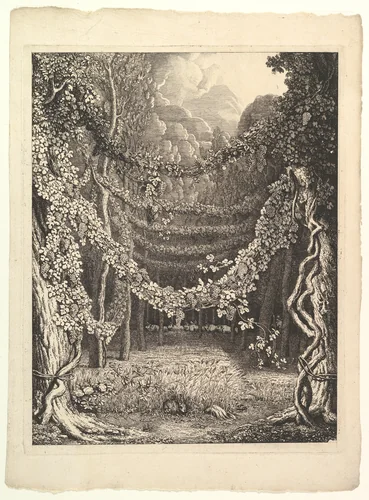
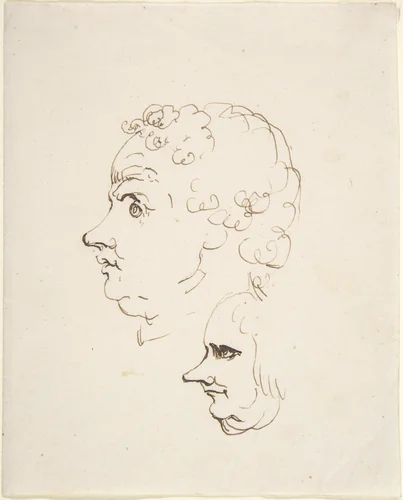
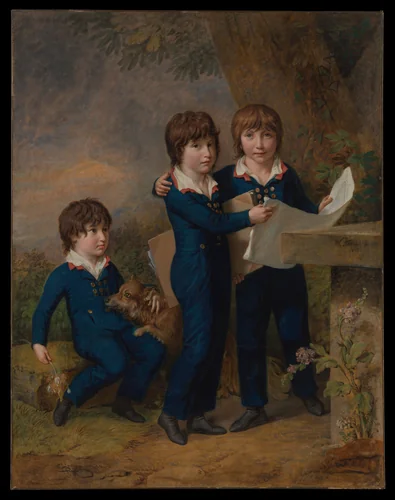
Tischbein demonstrated a masterful command across diverse subject matter. His compositions often reflect the contemporary fascination with antiquity, blending meticulous observation with classical refinement. Works like Oenotria Telus, An Idealized Woodland Scene Near Naples exemplify the Neoclassical impulse to capture perfect, balanced nature, while the atmospheric study A Prehistoric Stone Circle on a Mound, an Extensive Landscape Beyond illustrates his capacity to imbue topographical realism with archaeological seriousness. This versatility is further underscored by the elegant formality of his portraiture, such as the refined Profile Portrait of Miss Wieling.
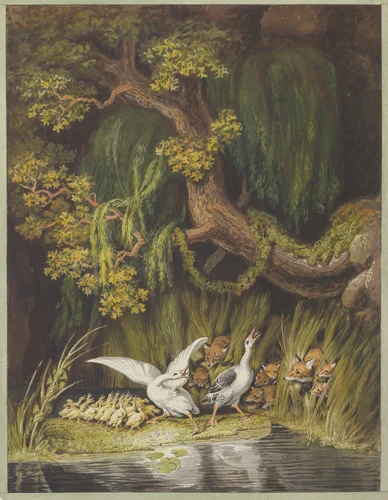
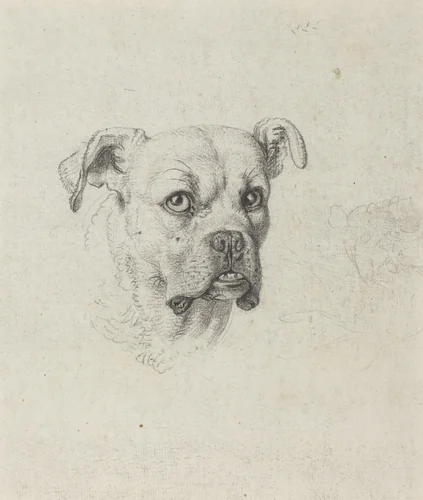
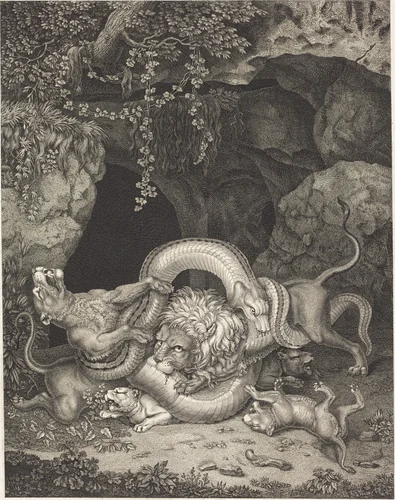
While Tischbein is perhaps less known for his surviving finished canvases, he was a prolific draftsman whose graphic output forms a crucial component of his legacy. His drawings and etchings often reveal a remarkable narrative precision, sometimes bordering on the wonderfully eccentric. A prime example is his dramatic animal study, A Goose and a Gander with their Goslings Honking in Alarm as Two Foxes with their Cubs Emerge from the Rushes, a work whose expansive title hints at the artist's acute, almost literary, attention to fleeting moments of natural drama.
Today, Tischbein’s influence is confirmed by the presence of his works in major international institutions, including the National Gallery of Art, the Art Institute of Chicago, and the Metropolitan Museum of Art. Though original Johann Heinrich Wilhelm Tischbein prints and drawings are valuable, a significant portion of his oeuvre is now in the public domain. This accessibility allows scholars and enthusiasts alike to access high-quality prints and detailed studies, ensuring his refined aesthetic and substantial contribution to German art history continues to be studied as downloadable artwork.
Source: Wikipedia · CC BY-SA 4.0