Johann Heinrich Lips
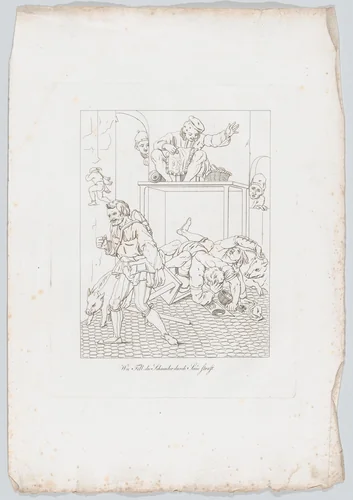
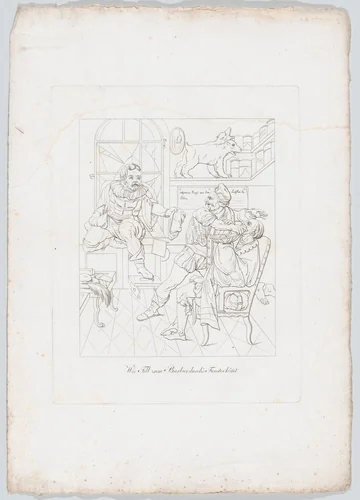
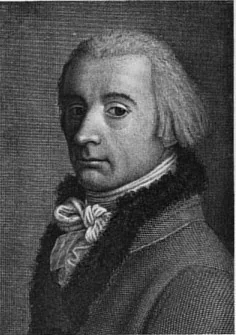
Johann Heinrich Lips (1768-1816) was a Swiss copper engraver whose prolific output provided an essential bridge between European painting and the wider cultural appetite for high-status imagery during the late eighteenth and early nineteenth centuries. While biographical accounts frequently emphasize his specialization in portraiture, the works preserved in major institutions such as the National Gallery of Art, the Rijksmuseum, and the Art Institute of Chicago reveal a far more expansive technical and thematic versatility.
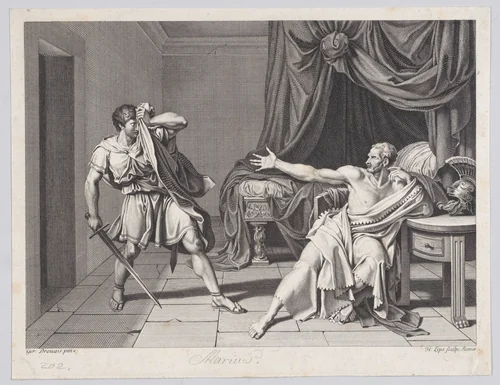
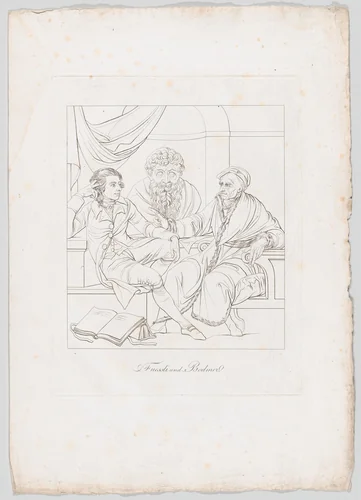
Lips operated primarily as a reproductive printmaker, translating existing designs and artworks into durable, highly detailed engravings that could be circulated across the continent. This role was vital, securing the visual reputation of intellectual figures, contemporary celebrities, and classical ideals alike. His mastery of the burin allowed him to render the subtle tonal variations necessary for reproducing complex compositions, ensuring the fidelity of the original design. He effectively curated the visual documentation of his age.
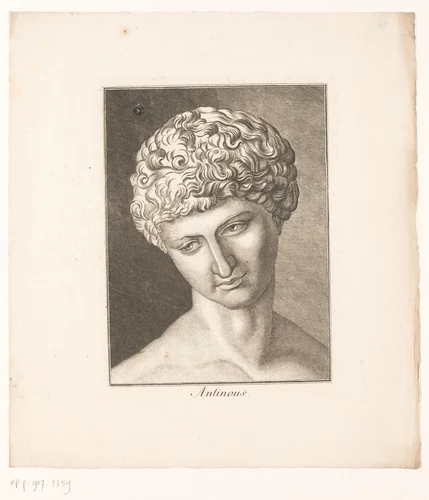
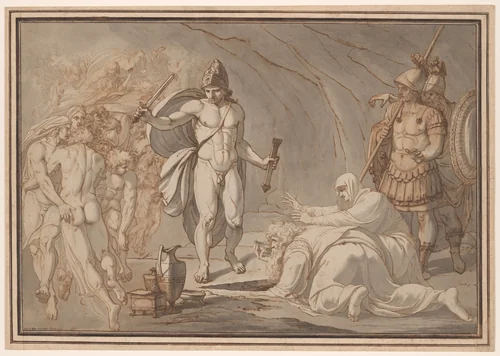
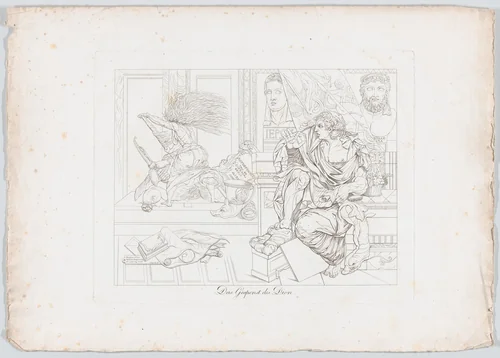
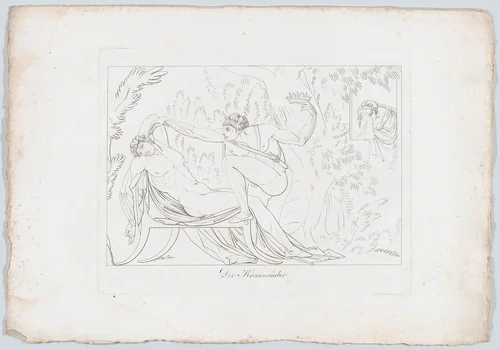
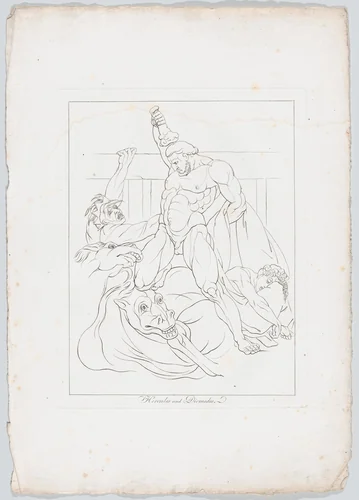
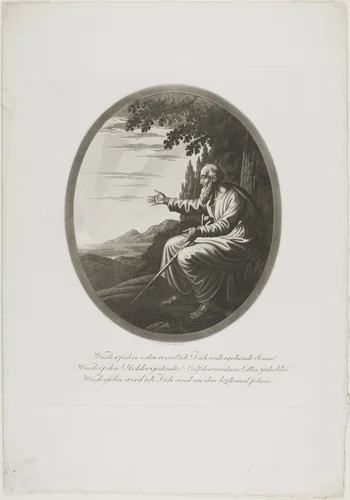
Beyond the commissioned likenesses, Lips engaged deeply with mythological and classical themes, demonstrating both an academic sensibility and a flair for dramatic narrative. Works such as Antinoüs reflect his study of ancient sculpture, emphasizing idealized form through meticulous line work. More ambitious compositions, like Odysseus, at the Doors of Hades, Meets the Shades of Tiresias and Anticlea, plunge into profound literary moments, using the precise tools of engraving to convey emotional gravity and shadowy, atmospheric depth.
His sustained activity through a period of immense stylistic change, from the structured rationality of Neoclassicism towards the heightened emotionalism of early Romanticism, required constant technical adaptation. The impressive corpus of Johann Heinrich Lips prints that survives today includes twelve known prints and three drawings, a modest representation of a career devoted to the democratization of visual culture. Due to their age and historical importance, many of these museum-quality engravings are now in the public domain, allowing enthusiasts and scholars to easily access high-quality prints and downloadable artwork from his oeuvre. Lips’s work remains essential for understanding how art and celebrity were circulated prior to modern mass media.
Source: Wikipedia · CC BY-SA 4.0