Johann Gottfried Schadow
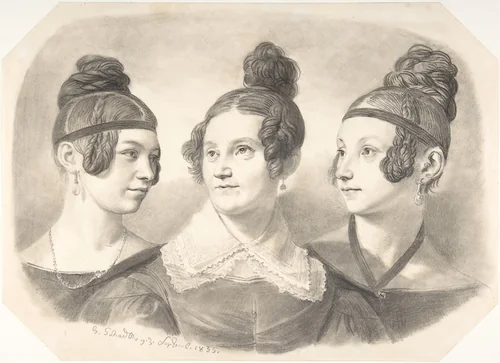
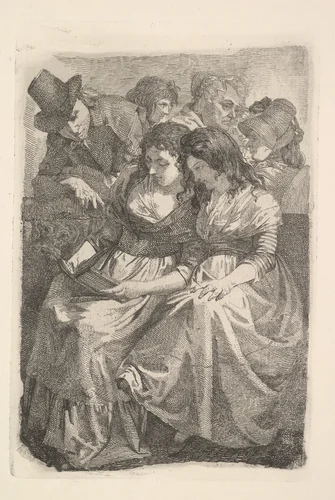
Johann Gottfried Schadow (1764-1824) holds a foundational position in the history of German art, operating as the preeminent Prussian sculptor during the critical transition from late Baroque elegance to the rigorous linearity of Neoclassicism. While his monumental works in stone and bronze defined the public face of Berlin for generations, his extensive output of drawings and Johann Gottfried Schadow prints offers invaluable insight into his working methods, revealing an artist equally skilled in rapid observation and meticulous compositional planning.
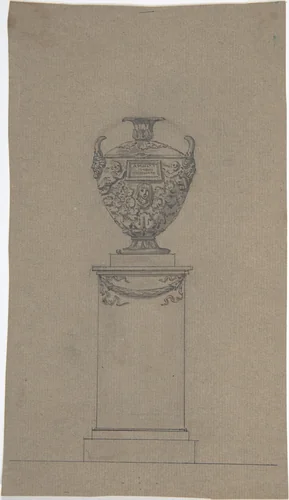
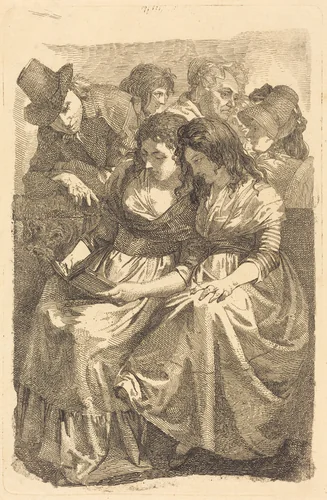
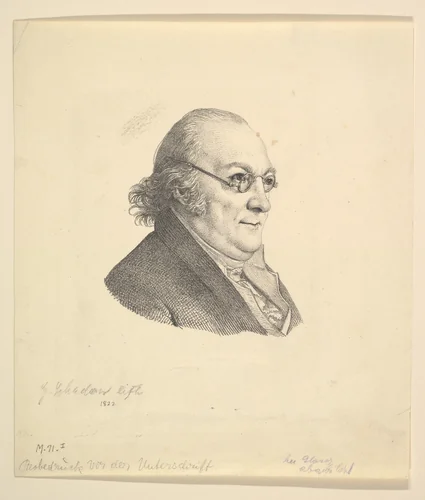
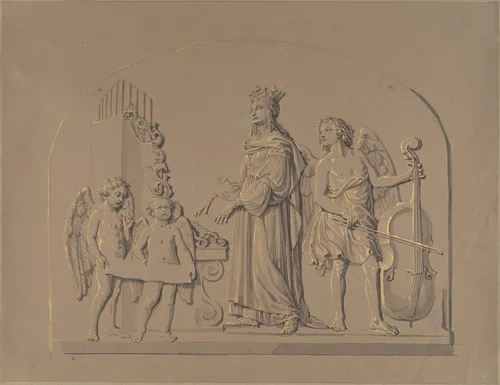
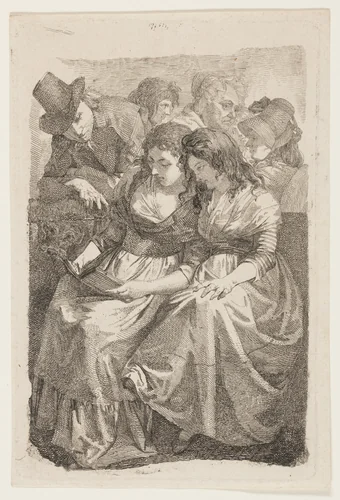
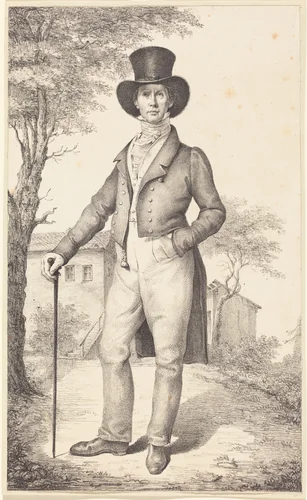
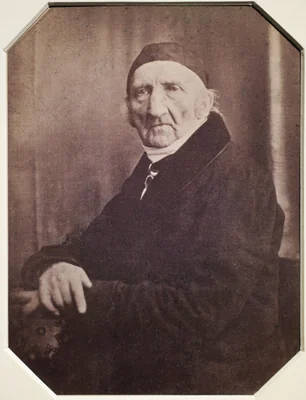
Schadow’s graphic legacy demonstrates a commitment to precise articulation of form, whether capturing the stately gravity required of state portraits, such as Portrait of Siegmund Wilhelm Wohlbruck (1762-1834), or exploring historical themes. Pieces like Design for a Tomb with an Urn exemplify his mastery of stark Neoclassical symmetry and idealized sorrow. Conversely, works like Schadow and His Family offer a rare glimpse into the artist’s personal sphere, capturing the lively, if sometimes chaotic, rhythm of domestic life that underpins even the most severe public aesthetic. His technical skill ensured that these preparatory and finished graphic pieces remain powerful visual documents, sought after today as museum-quality acquisitions.
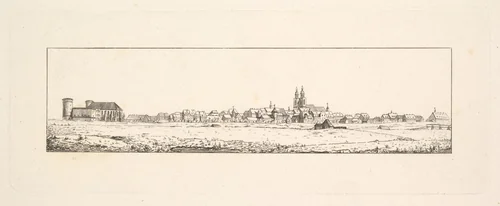
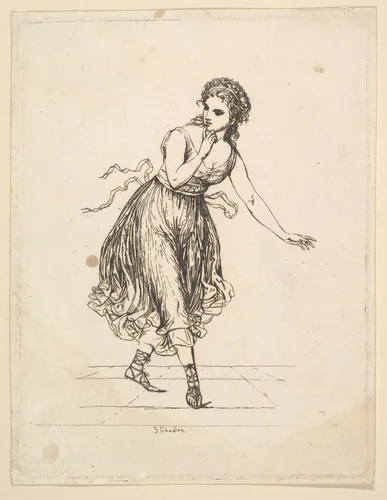
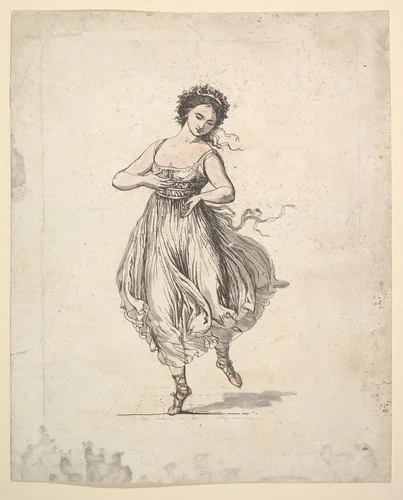
The depth of his study is evident in the variety of subjects he tackled, ranging from architectural documentation, seen in View of an Old Town with a Church and High Gabled Houses, to the expressive capture of human motion in the series detail Woman Alone, from the series The Dancing Pair Vigano. Schadow’s ability to move fluidly between these disparate demands highlights his significant role as a teacher and influence over subsequent generations of German artists.
It is perhaps ironic that while his massive public sculptures required the resources of the state, his most technically accessible works survive today as detailed drawings and prints. Due to their longevity and importance, these high-quality prints are preserved in major North American collections, including the Metropolitan Museum of Art and the National Gallery of Art. Many of these important graphic works are now available through the public domain, securing Schadow’s status not merely as a regional German master, but as an essential figure in European Classicism.
Source: Wikipedia · CC BY-SA 4.0